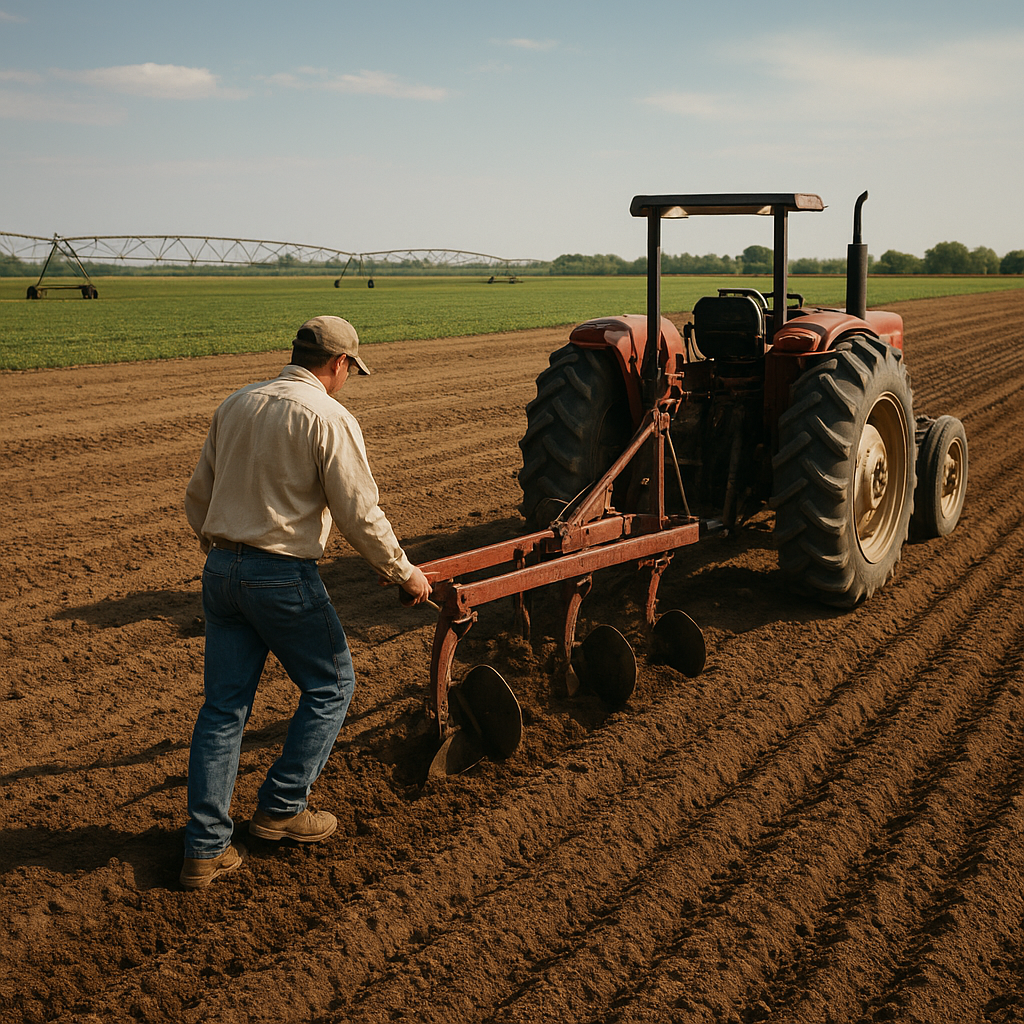
Preparing land for an irrigation system begins long before pipes are laid or sprinklers are installed. Proper plowing techniques can make a profound difference in water distribution, efficiency, and crop health. This guide explores essential tips for turning raw ground into an ideal base for irrigation, focusing on soil conditioning, tool selection, and integration strategies.
Understanding Soil and Plowing Basics
Assessing Soil Texture and Structure
Every field has its own unique composition. Sandy soils drain rapidly but struggle with moisture retention. Clay soils hold water well but can compact, hindering root growth. Loamy soils often offer the best compromise. Conduct a simple field test by taking soil cores at various depths. Observe the cohesion when you squeeze the sample in your hand—this reveals clay content. Feel the grittiness for sand and the crumbliness for silt. Understanding the soil structure allows you to adjust plowing depth and timing for optimal results.
Timing Your Plow Work
Timing is crucial. Plowing too early in wet conditions can lead to compaction and clods; too late in dry conditions makes turning soil difficult. Aim to plow when moisture content is moderate—enough to allow easy cutting but not so wet that soil smears. A simple squeeze test helps: if a handful of soil forms a ball that breaks apart easily, conditions are just right.
Selecting the Right Plow Type
- Moldboard Plow: Ideal for deep inversion and burying crop residues. Creates a clean furrow.
- Chisel Plow: Minimizes soil disturbance and reduces erosion control issues while maintaining some residue cover.
- Disc Plow: Handles rough, rocky soils well but may leave uneven slices.
Techniques for Effective Plowing
Adjusting Plow Depth and Angle
Proper plow depth ensures adequate mixing of topsoil with organic matter without bringing up excessive subsoil. For most field crops, aim for 6–8 inches. Angle adjustments help slice through plant roots and residues. A sharper angle cuts cleaner, while a more obtuse angle pulverizes soil for finer tilth.
Creating Uniform Furrows
Uniform furrows form channels that guide water flow toward plant roots. Start with a straight guide line, using stakes or GPS-assisted equipment. Keep tractor speed consistent to avoid irregular depth and spacing. Check regularly with a ruler or depth gauge to maintain uniformity.
Managing Residues and Green Manure
- Incorporate crop residues thoroughly to boost nutrient distribution and organic matter.
- Use green manure crops like clover or vetch to add nitrogen and improve drainage before main crop planting.
Integration with Irrigation Design
Planning Water Channels and Batch Furrows
Once plowing creates a uniform seedbed, plan the irrigation layout. For surface irrigation, use the existing furrows as guide channels. Align rows to contour lines to prevent runoff and maximize infiltration. Batch furrows—short, repeated channels—can help in fields with slight slopes, maintaining even water distribution.
Subsurface Drip and Plowed Beds
Subsurface drip lines benefit from loose soil layers. Plowing loosens the top foot of soil, allowing drip emitters to distribute water evenly. After plowing, create raised beds with shaped shovels or bed shapers. Position drip tape on the bed’s crest, then cover lightly with soil to protect lines and reduce evaporation.
Combining Raised Beds and Contour Plowing
- Contour plowing follows the land’s natural shape, minimizing erosion on slopes.
- Raised beds improve root aeration and warm up faster in spring, enhancing early season growth.
- Bed-spaced drip or sprinkler systems can be integrated by plowing parallel to contour lines and then forming beds perpendicular to runoff flow.
Maintenance, Troubleshooting, and Best Practices
Monitoring Soil Compaction and Structure
Regularly check fields for compaction layers that impede water infiltration. A penetrometer can measure resistance at various depths. If you spot a hardpan, consider a one-time deep ripping or subsoiling to break the layer, improving both drainage and root penetration.
Replowing in Multi-Crop Systems
In rotation systems, light plowing between crops can help incorporate residues and weeds. Avoid repeated deep inversion plowing, which disturbs soil biota and depletes organic matter. Instead, alternate with conservation tillage to maintain soil health over time.
Preventing Erosion Control Challenges
- Maintain vegetative buffer strips along field edges.
- Use cover crops in offseason to protect bare soil.
- Implement strip cropping by alternating plowed and no-till strips across slopes.
Fine-Tuning for Maximum Water Use
Record water usage and crop performance. Adjust plowing patterns if you notice dry zones or water pooling. Combining data from soil moisture sensors and yield maps allows you to tweak efficiency over time, ensuring every drop benefits plant growth.
Advanced Plowing Strategies
Variable Depth Plowing via GPS Control
Modern tractors can adjust plow depth on the go using GPS-based prescription maps. In areas prone to waterlogging, reduce depth to enhance drainage. In sandy spots, increase depth to incorporate more moisture-holding topsoil.
Integration with Fertilizer and Amendment Placement
Banding lime or fertilizers during plowing ensures immediate interaction with soil. Place amendments in the lower portion of the plow slice for gradual release. This approach enhances nutrient distribution and reduces losses through surface runoff.
Precision Subsoiling for Deep Root Systems
For deep-rooted crops like alfalfa or sunflowers, precision subsoiling breaks up compacted layers without mixing horizons. This deep loosening extends root zones, improving resilience during dry spells and maximizing the benefits of your irrigation system.
Ensuring Long-Term Success
Regular Field Scouting
Walk fields after plowing and irrigation events. Observe plant emergence, soil moisture patterns, and any signs of uneven water application. Early detection of problems allows for timely corrective measures, maintaining high productivity.
Vegetative Barriers and Windbreaks
On open fields, wind erosion can undo plowing efforts. Plant grass strips or hedgerows to reduce wind speed at the soil surface, preserving your carefully prepared seedbed and minimizing erosion control concerns.
Continuous Improvement through Record-Keeping
Document every plowing operation: date, depth, implement used, field conditions, and subsequent irrigation results. Over seasons, this record forms the basis for refining plowing practices to suit your unique soil and crop demands.