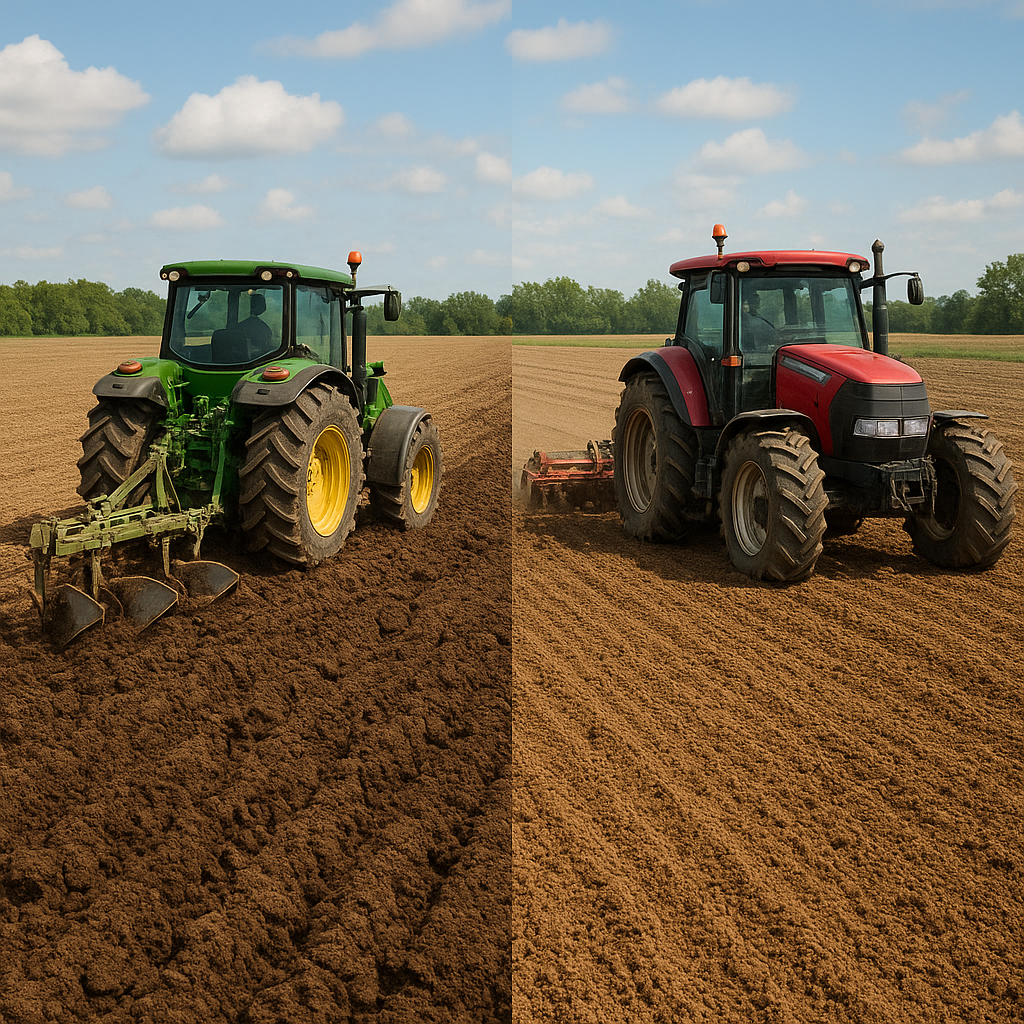
Preparing a field for planting is a delicate balance between loosening compacted soil, managing crop residue and preserving the natural ecosystem underground. Choosing between plowing and tilling can dramatically affect your crop yield, soil health and overall farm sustainability. This article explores the subtle distinctions, best practices and expert advice to ensure every farmer, gardener or agricultural enthusiast can make informed decisions for optimal results.
Understanding the Fundamentals of Soil Preparation
Proper soil preparation is the foundation of a successful growing season. Both plowing and tilling seek to break up the earth, but they serve different objectives. Plowing typically involves inverting the topsoil to bury old crop residue and weeds, while tilling pulverizes the soil into finer particles to create a smooth seedbed.
The Role of Soil Structure
Soil is composed of mineral particles, organic matter, water and air. Maintaining a stable soil structure is vital for root growth, water infiltration and nutrient uptake. Overworking the ground with excessive tillage can destroy soil aggregates, leading to increased erosion and reduced fertility.
Key Differences Between Plowing and Tilling
- Depth: Plowing generally reaches deeper layers, turning 8–12 inches of topsoil. Tilling is shallower, often limited to the top 4–6 inches.
- Soil inversion: Plows invert the soil, burying residue and weeds. Tillers mix surface soils without fully flipping them.
- Compaction: Repeated tillage can create a dense layer called a plow pan. Proper plowing can alleviate this by loosening deeper soil.
- Residue management: Plowing buries residue better, reducing pest and disease pressure. Tilling distributes residue across the surface, enhancing decomposition over time.
Essential Plowing Tips for Maximum Efficiency
When executed correctly, plowing can improve root penetration, encourage microbial activity and suppress weeds. Follow these guidelines to elevate your plowing performance.
Select the Right Implement
- Type of plow: Mouldboard plows invert the soil completely, while chisel plows break and loosen without full inversion.
- Tractor compatibility: Match the plow’s width and number of bottoms to your tractor’s horsepower rating to ensure optimal traction and fuel efficiency.
- Blade condition: Keep plowshares sharp and free of nicks to guarantee uniform cutting depth and reduced draft force.
Assessing Field Conditions
- Soil moisture: Ideal moisture content allows clean cutting and inversion. Too wet leads to smearing, while too dry produces clods that hinder seed placement.
- Residue cover: Fields with heavy residue demand deeper cuts or multiple passes to bury crop stalks.
- Check for rocks and debris to prevent damaging equipment.
Optimizing Plow Settings
- Adjust the plow’s tilt to maintain a level beam, ensuring uniform aeration across the width.
- Set the depth gauge to avoid under- or over-plowing; consistent depth fosters even germination.
- Balance furrow widths by tweaking the gauge wheel placement and beam angle.
Advanced Techniques and Timing Considerations
Knowing when and how to plow or till can make or break your planting success. Seasonality, weather patterns and crop rotation all contribute to your decision-making process.
Seasonal Timing
- Fall plowing: Incorporate plant debris, expose pests to winter temperatures and reduce spring workload. However, avoid plowing too late to prevent soil erosion during fall rains.
- Spring plowing: Ideal for fields with high compaction or severe weed pressure. Wait until the soil warms and dries to the right moisture range.
- Be mindful of frost cycles; frozen ground can damage plow components and reduce ripping efficiency.
Integrating Tillage Practices
Combining plowing with strategic tillage can yield a pristine seedbed without overdisturbing soil biology.
- Use a rototiller or disc harrow after plowing to break large clods and level the surface.
- Consider strip-tillage to preserve organic matter between rows and focus soil disturbance where seeds are planted.
- Employ minimum-till practices in conservation systems to maintain ground cover, reduce erosion and enhance water retention.
Crop Rotation and Residue Management
Rotation of cereals, legumes and cover crops can naturally alleviate compaction, suppress weeds and improve fertility. Proper management of residue through timed tillage or cover cropping accelerates decomposition and nutrient cycling.
Equipment Selection and Routine Maintenance
Maintaining your tools not only extends their lifespan but also ensures consistent performance in the field. Regular inspections and minor adjustments prevent costly downtime during critical planting windows.
Choosing the Optimal Tractor-Implement Combination
- Calculate the total draft load of your plow or tiller and ensure your tractor provides sufficient drawbar pull.
- Select implements with modular designs, allowing quick changes from plow to disc or rotary tiller as field conditions dictate.
- Invest in adjustable coulters to cut residue cleanly and maintain a crisp furrow edge.
Routine Inspection Checklist
- Check plowshares and tiller tines for wear or damage, replacing them if thickness drops below manufacturer specifications.
- Lubricate all moving parts, including bearings and linkages, to prevent rust and seizing.
- Examine hydraulic hoses and fittings for leaks, ensuring proper traction and depth control under load.
- Verify tire inflation and alignment to maintain consistent running depth and reduce unintended soil compaction.
Seasonal Storage and Off-Season Care
- Clean implements thoroughly to remove caked-on mud and crop debris. This prevents corrosion during storage.
- Apply a light coat of anti-corrosive spray or grease on exposed metal surfaces.
- Store equipment in a covered area, elevated off the ground to avoid moisture accumulation.
- Plan for mid-winter maintenance checks to address any mechanical issues before spring mobilization.
Implementing these practices will help you harness the true potential of both plowing and tilling. By understanding soil dynamics, optimizing equipment settings and applying precise timing, you can secure a robust seedbed, reduce input costs and enhance long-term farm health.