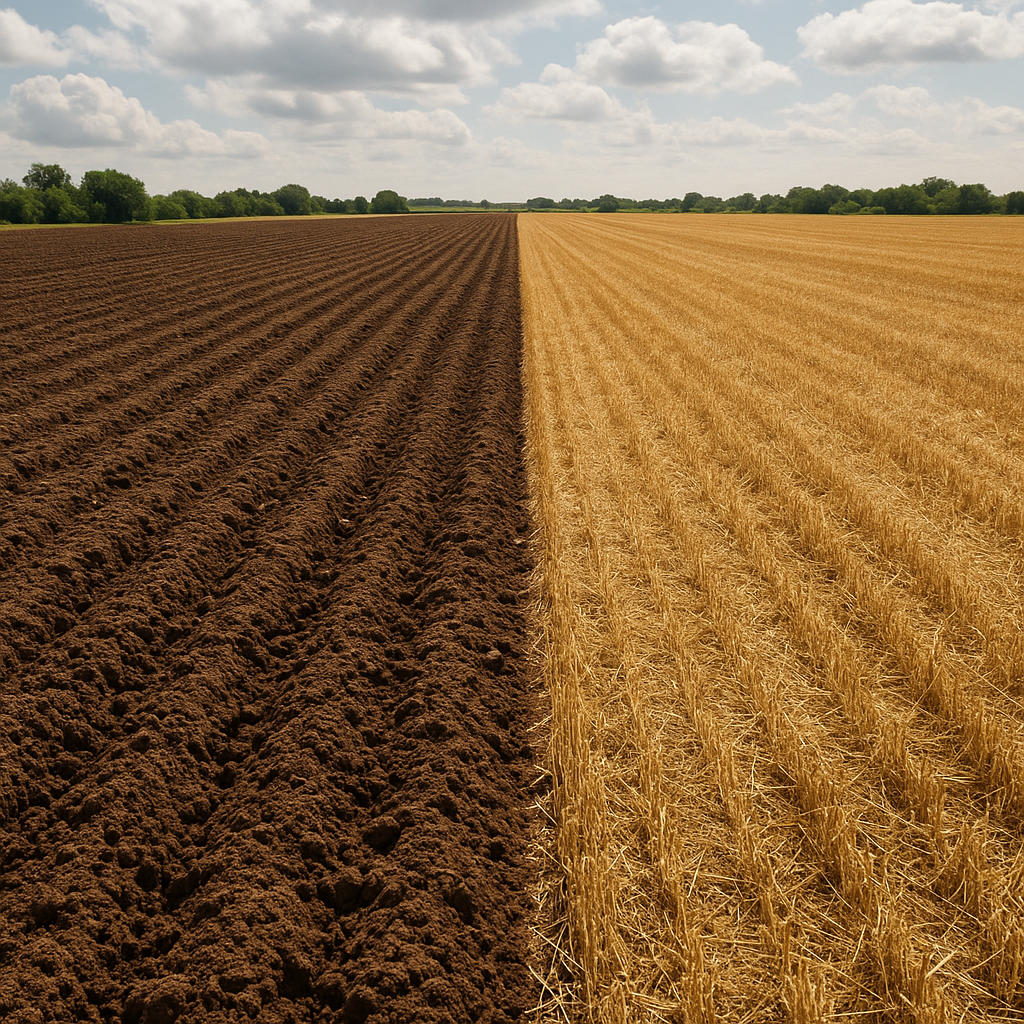
Plowing is more than just turning over the earth; it’s a precision craft that intertwines art and science. Selecting the correct direction transforms your fieldwork, influencing everything from traction to erosion control. This article dives into why the way you orient your plow matters and offers actionable insights to boost productivity, preserve soil health, and ensure long-term sustainability.
Understanding the Impact of Plow Orientation
When you decide which way to travel across a field, you’re setting a chain reaction beneath your wheels. The alignment of your plow relative to slopes, wind patterns, and existing residue layers can alter water runoff and nutrient distribution. Modern studies show that even a slight misalignment on a gentle grade can increase compaction zones by 20 percent.
Factors to consider:
- Slope and contour: Traveling along contours reduces surface runoff and conserves moisture.
- Wind direction: Minimizes dust and distributes crop residues more evenly.
- Previous crop orientation: Prevents the formation of repetitive hardpan layers.
By thoughtfully choosing plowing lines, farmers can enhance field tilth and create a uniform seedbed, leading to higher germination rates and more consistent crop stands.
Boosting Machinery Performance and Fuel Savings
Fuel is one of the largest expenses in field operations. Proper plowing direction can yield substantial savings by reducing the strain on your tractor’s engine. When you align the plow path to minimize unnecessary turns and steep climbs, you can achieve up to 15 percent fuel savings.
Key considerations include:
- Minimizing sharp turns: Each 90-degree turn can sap engine power and increase wear on the transmission.
- Maintaining consistent depth: Running at a uniform plowshare depth ensures that the tractor operates at an optimal RPM range.
- Balancing draft load: Spreading load evenly across plow sections prevents individual shanks from binding and reduces slippage.
Implementing GPS guidance and auto-steer systems can further refine your plowing patterns, ensuring the straightest, most efficient passes across irregularly shaped fields.
Protecting Soil Health and Preventing Erosion
Soil is a nonrenewable resource, and each plow pass reshapes its delicate structure. Plowing in the wrong direction can accelerate erosion, washing away vital topsoil and nutrients. Farmers who orient their plow lines perpendicular to terraces or contour banks see up to a 30 percent reduction in surface runoff.
Essential soil health goals:
- Preserving topsoil: Reduced erosion leads to higher organic matter retention.
- Maintaining infiltration rates: Proper furrow alignment helps water penetrate rather than run off.
- Preventing subsoil exposure: Minimizes risk of nutrient leaching and drought stress for young plants.
By combining contour plowing with cover crop rotations, growers foster resilient soil ecosystems that support microbial life, enhance moisture retention, and secure future yields.
Extending Equipment Life Through Smart Practices
Equipment durability is closely tied to how it’s used. Repeated plowing in one direction can introduce uneven wear on plow components, from chisel points to coulters. Alternating your plow direction seasonally and across fields distributes wear more uniformly, extending the lifespan of critical parts.
- Rotate plow orientation: Change from north-south to east-west runs between seasons.
- Inspect components regularly: Check for bent shanks, worn blades, and loose bolts after every 500 acres.
- Adjust hitch alignment: Ensures the tractor’s drawbar and the plow’s draft arm share load evenly.
Routine maintenance combined with thoughtful plowing direction not only safeguards your investment but also reduces downtime and repair costs.
Actionable Tips for Optimal Plowing Direction
Whether you’re a veteran operator or just getting started, these practical strategies will help you harness the full benefits of directional plowing.
- Survey the field before work: Identify hills, low spots, and previous compaction zones. Use topographic maps or drone imagery for precision.
- Plan passes around natural features: Trees, ditches, and waterways should guide your turning patterns to avoid unnecessary maneuvering.
- Leverage technology: GPS guidance, yield mapping, and soil moisture sensors can inform your optimal route and adjust on the fly.
- Train operators: Ensure every driver understands the significance of direction, from avoiding tire track overlaps to consistent plow depth settings.
- Rotate crop residue orientation: Switch between chopping and combining directions to break up tough residues and prevent matting.
Mastering plow direction is a subtle yet powerful tool in any farmer’s arsenal. By aligning your passes with natural field conditions and machine capabilities, you’ll maximize efficiency, protect the soil, and extend equipment life—all critical factors in modern sustainable agriculture.