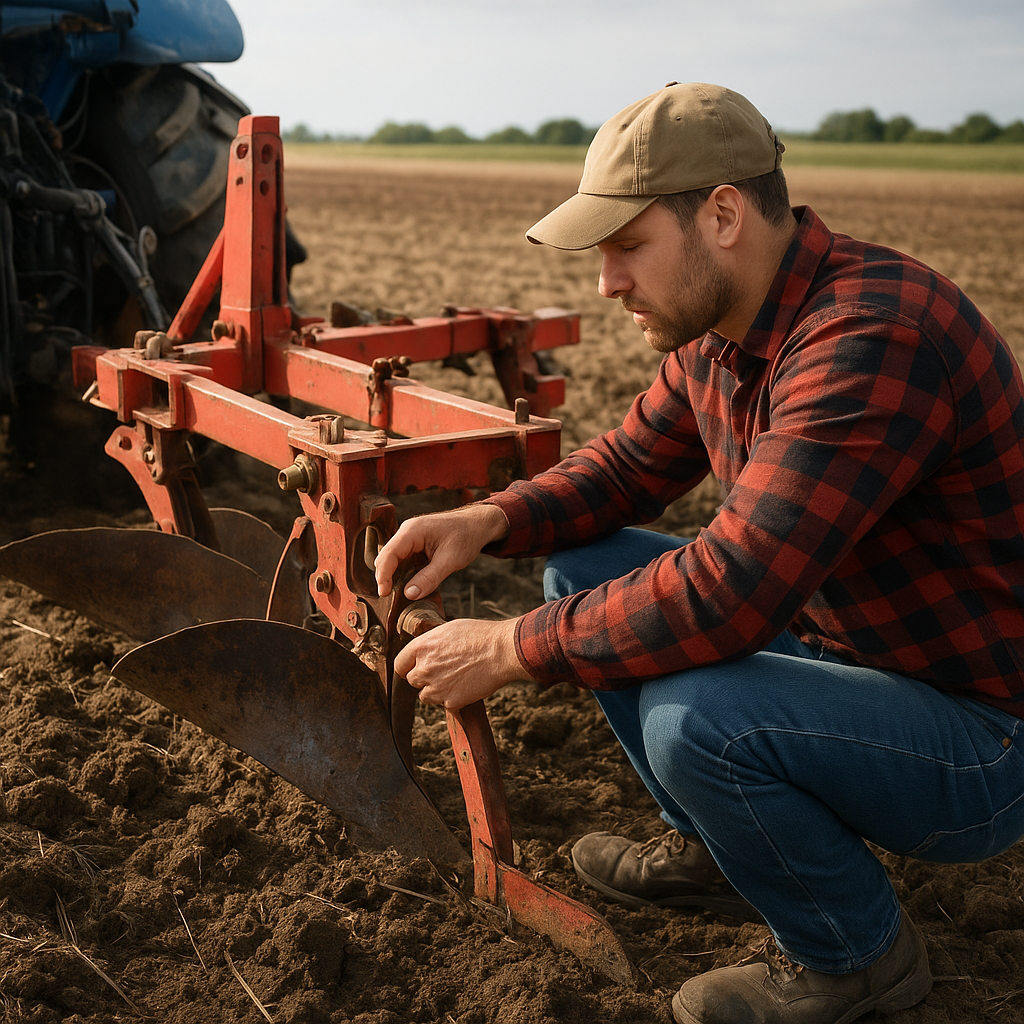
Achieving optimal field performance with a reversible plow requires both experience and attention to detail. When every furrow is uniform and the soil structure remains consistent, planting becomes easier and yields improve. By focusing on precise adjustment of key components, farmers can enhance the efficiency of their operations, reduce wear on equipment, and conserve valuable resources.
Setting Up the Plow’s Basic Parameters
Before hitching the tractor, inspect the plow for signs of damage or wear. Check all bolts, shear pins, and hinges to ensure they are secure. A reversible plow’s performance depends on a stable connection and proper geometry relative to the tractor’s frame. Follow these steps to verify your setup:
- Confirm the drawbar height matches the tractor’s specification to guarantee consistent draft force.
- Ensure the hitch pins sit squarely in the lower links, preventing the plow body from tilting.
- Position the top link so that the plow frame remains level or slightly tilted toward the tractor, according to manufacturer guidelines.
These simple checks can eliminate common issues like uneven furrows and excessive fuel consumption. An accurate initial setup reduces the need for mid-operation stops and improves overall field productivity.
Fine-Tuning Plow Depth and Angle
Precise control of depth and angle is vital to maintain consistent soil turnover and avoid undue stress on the plow. Depth control levers or hydraulic systems should be calibrated at the start of each season. Follow this procedure:
- Test on a small plot to verify the desired depth—commonly 4 to 6 inches for seedbed preparation.
- Adjust the side shift so the plow maintains a straight line, avoiding sinks or lifts at the end of each furrow.
- Set the cutting angle: a shallow angle reduces draft force but may leave residue; a steeper angle increases penetration but needs more power.
When soil moisture varies, re-evaluate depth settings. Wet conditions demand shallower plowing to prevent clods, while dry soils often require deeper cuts for effective residue incorporation.
Optimizing Blade Position
Reversible plow bodies must mirror each other to flip seamlessly. Worn or uneven blades can cause one side to dig deeper, resulting in inconsistent ridges. Rotate or replace blades early in the season, and keep a log of wear patterns to anticipate maintenance needs.
Maintaining Balance and Alignment
Proper alignment between tractor and plow prevents drift and power loss. Continuous checks during operation ensure the implement tracks straight and you maintain equal load on both tractor wheels. Key steps include:
- Verify tire pressures are equal and set according to the manufacturer’s recommendation.
- Monitor the plow’s lateral alignment by observing furrow width; unequal spacing suggests uneven hitch link lengths.
- Use a plumb line or laser guide to check that the plowbeam sits directly behind the tractor’s centerline.
Regularly remove debris or built-up soil from hinge points to preserve smooth reversals. Greasing pivot pins at weekly intervals prevents binding and reduces the effort needed to flip the plow.
Counterweight Distribution
Adding small counterweights on one side can correct slight imbalances. This fine-tuning reduces side draft and keeps the plow in its intended path. Always secure weights according to safety guidelines to avoid accidental release during operation.
Seasonal Adjustments and Special Cases
Throughout the year, soil conditions and crop requirements change. Adapting your reversible plow to these variables ensures maximum performance:
- Post-Harvest Plowing: Increase depth to incorporate heavy residues, then reduce angle to avoid overworking the engine.
- Spring Seedbed Preparation: Fine-tune angle for a crumbly surface and light finish harrowing following the primary pass.
- Heavy Clay Soils: Use wider rear press wheels to prevent side slope. Maintain shallow passes if moisture content is high.
- Sandy or Rocky Terrain: Increase plowwear protection by using reinforced moldboards and ensure the hitch allows quick disengagement if obstruction occurs.
Always keep a detailed record of adjustments made each season. This data-driven approach improves decision-making, reducing guesswork and downtime.
Winter Storage and Off-Season Care
After the final fall plow, clean all metal surfaces thoroughly to remove corrosive residues. Apply a rust-inhibiting coating, and store the plow in a dry, covered area. Inspect hydraulic hoses and replace any that show cracks or wear before the next spring.
By following systematic checks and maintenance routines, you can maximize the life of your reversible plow, achieve consistent results, and maintain optimal fuel usage. A well-adjusted implement not only preserves your tractor’s powertrain but also contributes to healthier, more productive fields.