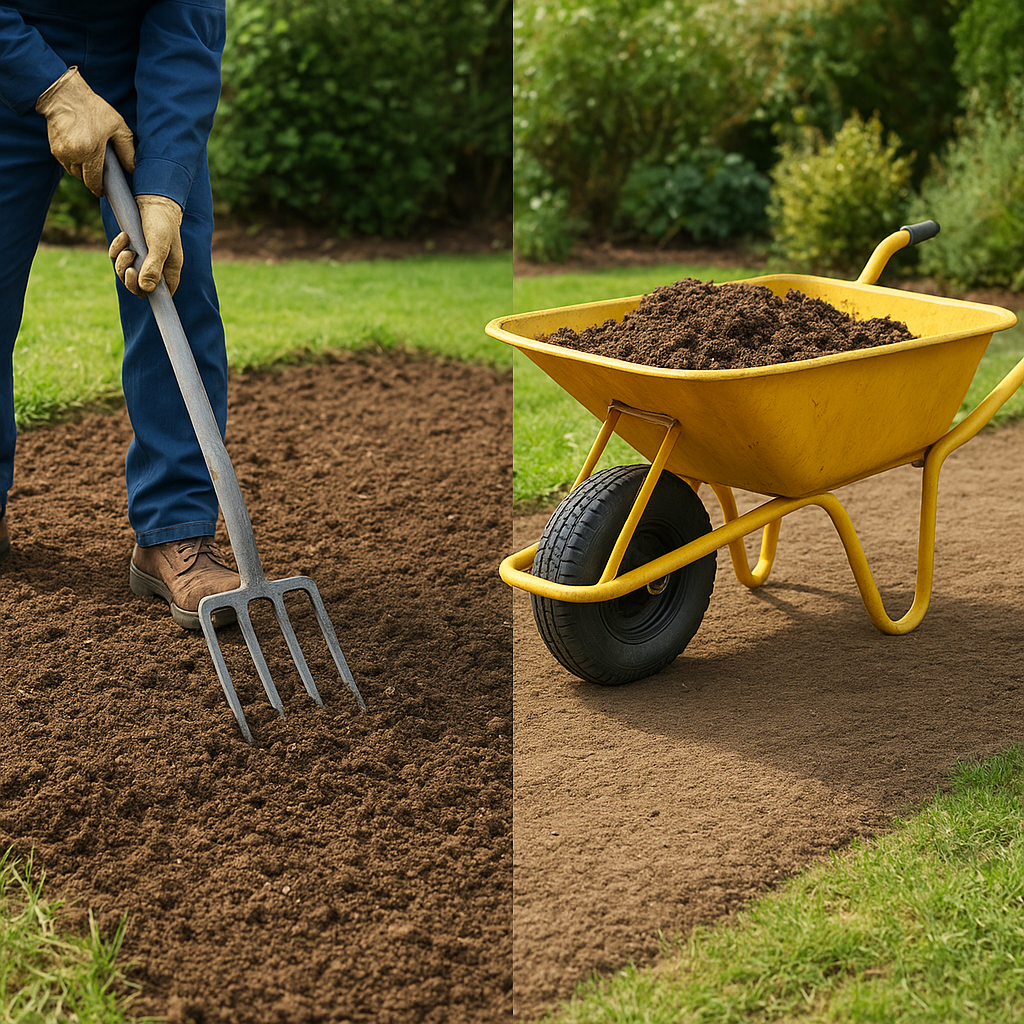
Effective plowing practices are essential for maintaining healthy soil and maximizing crop yields. Every farmer or land manager aims to break up dense layers without causing irreversible harm to the earth beneath the surface. By understanding the dynamics of soil compression, choosing appropriate machinery, and applying thoughtful strategies, you can prevent damage to valuable layers that support plant growth.
Understanding the Causes of Subsoil Compaction
Soil Mechanics and Weight Distribution
When heavy machinery rolls across a field, its weight creates pressure that can squeeze air and water out of pores. This process, known as compaction, reduces the natural space between soil particles. Over time, repeated passes with tractors or harvesters intensify this effect, leading to dense bands that inhibit root growth. Factors such as soil texture, bulk density, and moisture content amplify the risk. Saturated soils, for example, are more prone to compression because water acts as a lubricant, allowing particles to slide closer together.
Role of Tillage Practices
The depth and frequency of tillage directly influence compaction levels. Shallow plowing may only disturb the topsoil, leaving hardened layers—commonly called pans—intact below. Conversely, deep inversion plowing can break up these pans but risks dragging heavy clods downward and creating new compacted horizons. Overlapping wheel tracks from multiple passes further aggravate the situation. A balanced approach considers both the necessity to aerate and the potential for creating fresh compaction.
Techniques to Minimize Subsoil Damage
- Controlled Traffic Farming: By confining tractor and implement wheels to permanent lanes, you significantly limit the total area impacted by heavy loads. This strategy helps preserve the structure and promotes uniform growth in the untrafficked zones.
- Minimum-Tillage Systems: Reducing the number of tillage passes cuts down on repeated compression events. No-till and strip-till methods leave most of the surface undisturbed, encouraging natural aeration and decreasing erosion.
- Optimal Timing: Working the field when soil moisture is within the ideal range prevents excessive compaction. Too wet, and the ground smears; too dry, and implements can bounce, causing uneven penetration.
- Use of Cover Crops: Planting species with fibrous roots—such as rye or clover—can create channels that improve water infiltration and root exploration. Later, these decomposed root passages act as natural pathways for tillage tools, reducing the force needed.
Equipment Selection and Maintenance
Choosing the Right Implements
Select plows, subsoilers, or chisels that match your soil type and farming objectives. Subsoilers equipped with narrow shanks can break through compacted bands without disturbing the upper horizons excessively. Adjusting the working depth and angle of attack allows you to target specific layers. Ensure the points remain sharp—worn tools require more draft and cause greater soil disturbance.
Tire Pressure and Ballasting
Wheel slip and excessive ground bearing pressure are major contributors to subsoil compaction. By lowering tire pressures, you increase the contact area, distributing weight more evenly. On tractors, adding ballast near the front or rear axles can balance the load, preventing one end from digging in and creating deep ruts. Regularly inspect tires for wear or damage to maintain consistent performance in the field.
Routine Maintenance Practices
Maintaining proper alignment and lubrication on moving parts reduces variances in operating depth, which in turn minimizes uneven compaction. Calibrating hydraulic systems ensures that implements run at the desired pressure settings, preserving the integrity of the subsoil while achieving efficient tillage.
Monitoring and Adjusting Practices
Soil Testing and Penetrometer Readings
Regular assessments of bulk density and penetration resistance provide insights into areas at risk of compaction. A handheld penetrometer measures the force required to push a rod through the soil profile, revealing zones where roots struggle. Mapping these results across the field helps you plan targeted interventions rather than broad, unnecessary tillage.
Crop Rotation and Organic Amendments
Incorporating a diverse rotation of legume and grass species enhances soil biology. Legumes fix atmospheric nitrogen, reducing reliance on synthetic fertilizers and promoting robust microbial activity. Adding compost or manure boosts organic matter, which acts like a sponge, retaining moisture and increasing pore space. Healthy, biologically active soil is better at resisting compaction and recovering from stress.
In-Field Trials and Record-Keeping
Test different combinations of tillage depth, implement type, and traffic patterns on small plots. Keep detailed records of growth response, yield data, and compaction levels. Over multiple seasons, this information guides iterative improvements and helps you fine-tune equipment settings and scheduling.
Enhancing Long-Term Soil Health
- Integrate green manures and cover crops to sustain continuous surface cover and reduce rain impact.
- Monitor organic carbon levels annually to gauge improvements in soil resilience.
- Promote biodiversity by encouraging earthworms and beneficial microbes that naturally till and aerate the ground.
- Adopt precision agriculture tools—GPS-guided tractors and variable-rate application machines—to minimize unnecessary passes and optimize input usage.
- Engage in ongoing education and extension programs to stay current on emerging best practices in soil conservation and sustainable agriculture.