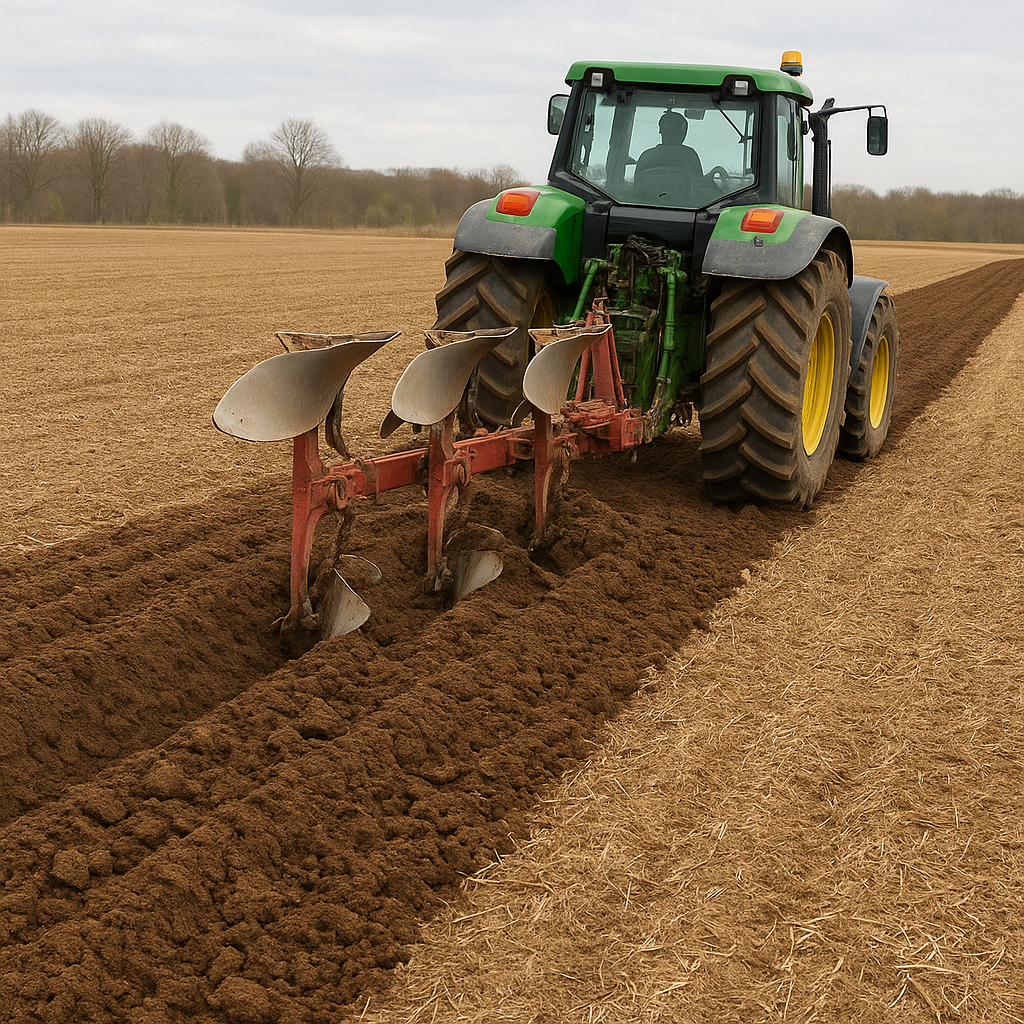
Plowing is a foundational farming practice that prepares the ground for planting by turning over the topsoil, burying crop residues, and breaking up compacted layers. One common challenge faced by operators is the formation of unwanted ridges or uneven furrows, which can impair planting equipment, hinder water distribution, and reduce crop uniformity. Mastering techniques to avoid ridge creation not only enhances field appearance but also boosts overall agricultural efficiency. In this article, you will learn practical plowing tips, from machine setup to field strategy, to achieve a smooth seedbed and consistent results.
Understanding Ridges and Their Causes
Before implementing corrective measures, it’s crucial to identify the primary factors that lead to ridge formation:
- Uneven pressure distribution across the plowshare.
- Incorrect plow angle causing soil to pile up on one side.
- Variations in soil moisture and consistency from one section of the field to another.
- Misaligned plow beams or worn-out components that fail to cut a uniform furrow.
- Inconsistent tractor speed or changes in ground traction during operation.
When these elements combine, soil is pushed unevenly, creating raised sections—commonly called ridges—which require extra passes to level and can delay subsequent planting. Identifying which variable is most at fault in a given field helps target specific adjustments to the plowing process.
Equipment Setup and Maintenance
Proper equipment configuration is the first line of defense against ridge formation. Follow these guidelines to ensure your plow is ready for precise operation:
1. Check Plow Beam and Share Alignment
Over time, constant stress on plow beams can lead to subtle warping or misalignment. Inspect each beam and share for straightness. A slight bend can dramatically affect the uniform distribution of soil. Realign or replace components when necessary to maintain perfect alignment.
2. Adjust Depth Control Consistently
Unequal furrow depths are a major cause of uneven soil turnover. Ensure that depth regulators and gauges are set identically across all plow bottoms. Use a measuring rod or depth gauge to confirm that each furrow is cut at the same depth. Consistency in this setting leads to a uniform tilth and eliminates low or high spots.
3. Maintain Blades and Shares
Dull plow blades struggle to slice through soil, forcing the tractor and operator to compensate with extra force or speed. This often results in lumps or ridges. Regularly sharpen or replace blades and shares. A sharp cutting edge ensures a smooth turnover, promotes clean furrows, and reduces drag on the tractor.
4. Balance Hydraulic Pressure
Modern plows rely on hydraulic systems for lifting and controlling individual bottoms. Uneven hydraulic pressure can create varying downforce on different sections. Calibrate the tractor’s hydraulic valve settings to distribute weight evenly. Check for leaks or worn seals that might cause fluctuations in pressure.
5. Inspect Friction Points and Bearings
Worn bearings and high-friction areas can create resistance on one side of the plow, pulling the implement off course. Lubricate all pivot points, inspect bearings for play, and replace any components that show signs of significant wear. Smooth operation reduces the need for the tractor to compensate laterally, preventing ridge formation.
Techniques for Smooth Plowing
Beyond hardware adjustments, the operator’s technique plays a major role in preventing ridges. Adhering to these practices will help you achieve a level field:
1. Maintain Steady Ground Speed
Fluctuations in forward speed can alter the plow’s cutting performance. Slowdowns may cause the plow to dig deeper and push more soil, while surges reduce penetration. Aim for a consistent pace suited to soil conditions—typically between 5 to 8 km/h. Use cruise control features if available, or practice maintaining a smooth throttle hand to deliver a steady rate.
2. Use Proper Tractor-Plow Matching
Undersized tractors often struggle to pull large plows without straining, leading to uneven traction and furrow depth. Conversely, an overly powerful tractor might force the plow too deep. Refer to manufacturer recommendations for horsepower per plow bottom. Correct matching ensures the plow runs at its designed rotation and engagement depth without overworking either machine.
3. Manage Field Entry and Exit
Turning onto and off the headland can create uneven wedge-shaped ridges at the ends of furrows. To minimize these effects:
- Approach the headland at a slight angle rather than a hard turn.
- Lift or feather the plow slightly before reaching the boundary.
- Make the final passes on the headland at reduced speed to dissipate soil build-up.
4. Overlap Adjacent Furrows Carefully
Leaving gaps or excessive overlaps can form small ridges between passes. Target an overlap of about 5 cm beyond the previous furrow edge. This ensures complete coverage without pushing extra soil onto the uncut strip.
5. Monitor Soil Moisture and Conditions
Plowing too wet or too dry ground increases the risk of clods and ridges. Aim for a moisture level where the soil crumbles easily but holds form—often referred to as optimal tilth. If conditions are far from ideal, consider delaying plowing, performing light tillage first, or using a different implement to break crusts before primary plowing.
Terrain Considerations and Best Practices
Field topography and layout also influence ridge formation. Tailor your approach based on ground conditions:
1. Contour Plowing on Slopes
When working on hillsides, follow the land’s natural contours rather than straight up-and-down passes. Contour plowing reduces erosion, maintains uniform furrow depth, and minimizes ridges created by sudden grade changes. Ensure your tractor’s guidance system is calibrated to the hillside angle to keep the plow level with the slope.
2. Handling Obstructions and Stones
Hidden rocks or debris can lift one side of the plow abruptly, leading to uneven passes. Conduct a field sweep prior to plowing in areas known for stones. Use rock boards or gumboots on the plow to deflect small stones. In fields with frequent obstructions, consider a reversible plow that resets quickly after striking an object, reducing the chance of persistent ridges.
3. Planning Headlands and Turns
Efficient headland design supports smooth transitions at the ends of runs. Create wide turning spaces to allow gradual curves, reducing sharp lateral forces on the plow. Mark headland boundaries and practice approach lines if working with GPS guidance, ensuring each turn starts and ends without abrupt lifts or drops.
4. Integrating Cover Crops and Residue Management
Fields with heavy crop residue can gum up the plowshare, leading to uneven cutting. Incorporate a controlled cover crop termination or use residue management attachments such as coulters or vertical tillage disks. This improves residue flow through the plow, reduces plugging, and ensures an even soil turnover free of ridges.
5. Continuous Improvement and Record Keeping
Track your plowing performance by taking notes on field conditions, plow settings, and observed ridge patterns. Adjust equipment based on previous experiences, and maintain a log for each field. Over seasons, this data helps refine your setup and technique, leading to progressively smoother seedbeds.