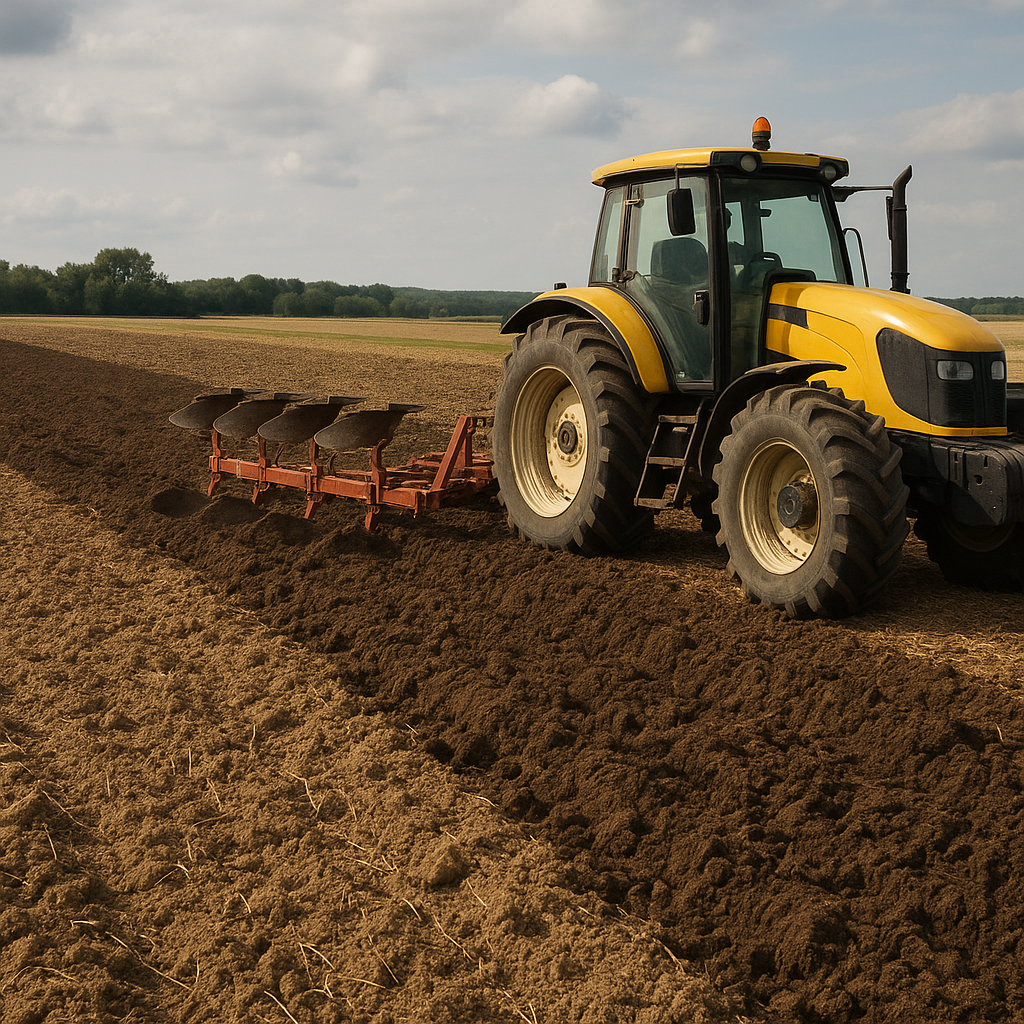
Effective management of plowing operations is crucial for preserving the subsoil and optimizing long-term farm productivity. Understanding how to avoid excessive disruption of deeper horizons can prevent erosion risks, maintain proper drainage, and enhance crop yield. This guide will outline key considerations for modern plowing techniques, from equipment selection to soil moisture strategies, ensuring you cultivate fields with care and precision.
Understanding the Importance of Subsoil Preservation
Role of the subsoil in plant growth
The subsoil layer often contains vital minerals, organic matter, and water reserves that can be accessed by deeper root systems. When the subsoil remains undisturbed, roots can penetrate freely, tapping into nutrients that support consistent development. Disturbing this zone may break natural horizons, disrupt micropores, and lead to uneven moisture distribution. Proper acknowledgment of the subsoil’s ecosystem services helps maintain soil fertility and encourages healthy microbial communities.
Consequences of overturning the subsoil
Overturning the subsoil can result in compacted layers that inhibit root growth and water infiltration. This compaction can trigger surface runoff, leading to accelerated erosion and nutrient loss. Furthermore, mixing topsoil and subsoil can degrade the overall soil structure, reducing its capacity to hold air and water. Farmers may notice a decline in yields and an increase in irrigation demands when subsoil layers are repeatedly disrupted.
Best Practices for Precision Plowing
Selecting the right equipment
Choosing the correct plow type and size is the first step towards minimizing subsoil disturbance. Mouldboard plows are effective for primary tillage but can invert soil layers if set too deep. Chisel plows, on the other hand, provide shallower penetration, preserving the subsoil structure. Regularly inspect share points, coulters, and mouldboards for wear; blunt or damaged parts increase soil disruption. Matching plow width and tractor horsepower prevents excessive compaction behind the implement.
Adjusting plow depth and angle
Optimal plow depth generally lies between 15 and 25 centimeters, depending on soil texture and moisture. Setting the depth too deep risks pulling up subsoil clods, while too shallow may leave crop residues unincorporated. The angle of the plow shares also influences soil turnover: a narrower working angle slices through the soil cleanly, whereas a steeper angle tends to invert layers. Periodic adjustment ensures uniform depth and reduces the likelihood of deep subsoil inversion.
Monitoring soil moisture levels
{{Farmers}} should aim to plow when soil moisture is between its plastic and friable limits. Plowing overly wet fields leads to smearing, where soil particles adhere to machinery, creating dense, impermeable layers. Conversely, extremely dry conditions make soil brittle, increasing shattering and erosion potential. Using a hand-rolled ball test or moisture sensor can help determine the ideal window for plowing, balancing traction needs against soil compaction.
Strategies to Avoid Soil Compaction and Erosion
Use of cover crops and crop rotation
Integrating cover crops, such as ryegrass or clover, between main seasons protects bare soil, reduces surface crusting, and enhances organic matter. Root systems create channels that improve infiltration and reduce runoff velocity. Alternating deep-rooted and shallow-rooted species prevents persistent compaction at any single depth. Coupled with thoughtful crop rotation, cover crops break disease cycles and support balanced soil biology, promoting resilience without intensive mechanical disturbance.
Conservation tillage techniques
Conservation tillage, including strip-tillage and no-till, limits the area disturbed by machinery. By confining operations to narrow bands or eliminating tillage altogether, farmers maintain protective residue cover, curb evaporation, and stabilize the soil surface. Residues also act as a cushion, reducing the impact force of subsequent equipment passes. Adopting a gradual transition to reduced tillage allows microbial communities to adjust, preserving nutrient cycling and soil health.
Proper drainage and water management
Effective drainage systems prevent waterlogging and minimize subsoil saturation, which can lead to slipping and sloughing of inverted layers. Installing tile drains or contour ditches directs excess water away from fields, while surface grading encourages uniform runoff. Avoid plowing along the steepest slope; instead, work across gentle contours to slow water flow and reduce gullying. Maintaining drainage infrastructure through periodic cleaning and repairs is a key component of long-term soil conservation.
Maintenance and Calibration of Machinery
Regular inspection of plow components
Frequent checks of bolts, bearings, and hydraulic lines ensure machinery functions smoothly and avoids sudden failures that force deeper cuts. Replace worn shares and coulters to maintain a clean slicing action. Examine frame alignment for any twists or bends that may cause uneven soil lifting. Keeping all parts well-lubricated reduces friction and wear, minimizing jarring movements that could disturb subsoil layers.
Importance of adjustment schedules
Establish a routine service plan that includes calibration of depth controls, checking hitch heights, and ensuring consistent toolbar alignment. Record each adjustment to track performance across different field conditions. An accurate record helps identify trends, such as increased draft requirements that may signal hidden compaction. By adhering to a systematic maintenance regimen, you prolong the lifespan of equipment and safeguard soil integrity.
Tire pressure and tractor setup
Proper tire inflation distributes weight evenly, lowering ground pressures and reducing compaction. Dual wheels or tracks can further spread load but require careful setup to avoid overlapping wheel paths. Calibrating ballast and hitch settings allows the tractor to pull the plow with minimal slip, decreasing fuel consumption and soil scuffing. Utilize onboard monitoring systems or portable gauges to routinely verify tire pressures under field loads.
Technological Aids and Future Trends
GPS-guided plowing
Precision guidance systems enable straight, non-overlapping passes that reduce the number of wheel tracks and minimize reworked bands. Auto-steer technology maintains exact spacing between passes, lowering operator fatigue and improving overall field uniformity. Data logs can be analyzed to refine tillage patterns and detect zones where subsoil disturbance consistently occurs.
Use of sensors and precision agriculture
Soil sensors measuring moisture, compaction, and organic content provide real-time feedback on field variability. Integrating these readings with variable-depth control allows automatic adjustments, raising or lowering the plow to avoid sensitive subsoil pockets. As sensor accuracy and AI algorithms improve, adaptive tillage systems will become more accessible, offering tailored solutions that protect underlying horizons while delivering uniform seedbeds.