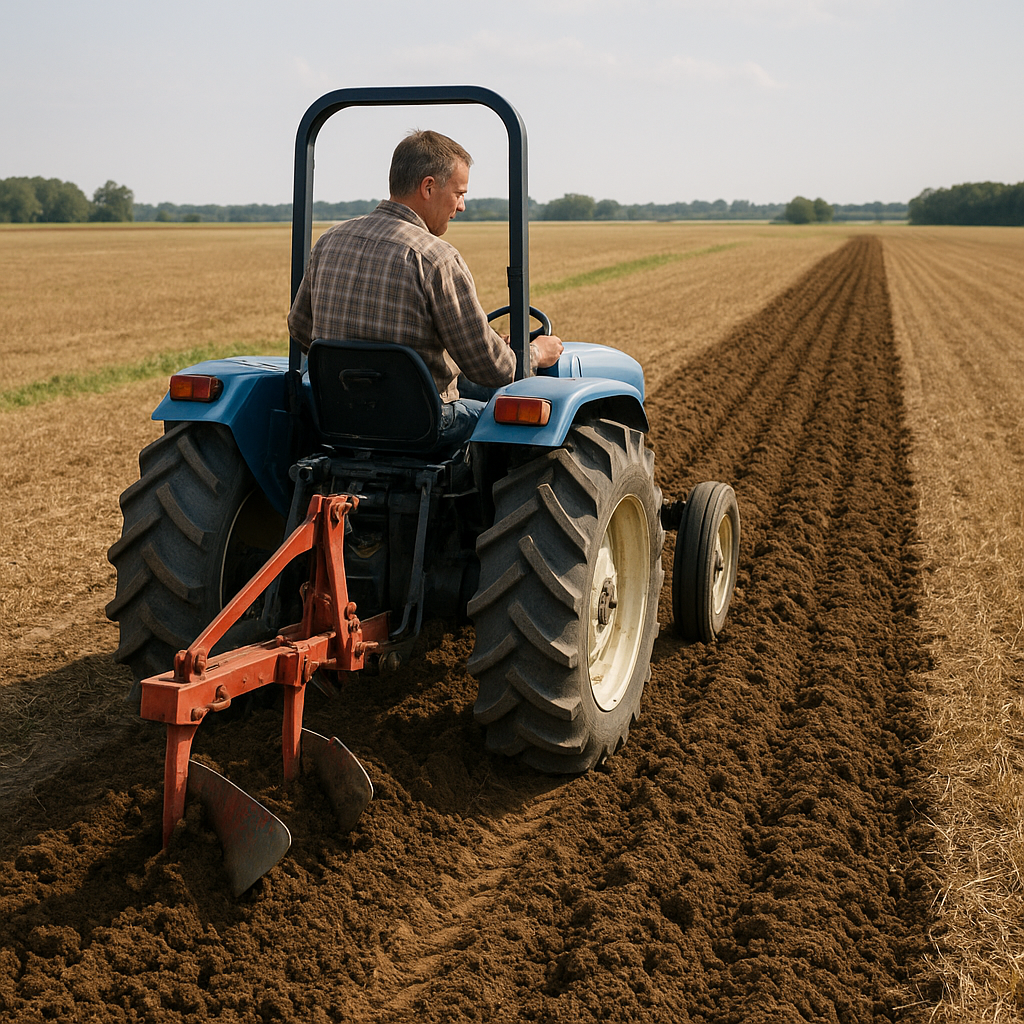
Plowing a field with precision demands a blend of skill, attention, and the right gear. Skipping sections isn’t just a matter of aesthetics—it can lead to wasted time, uneven seedbeds, and reduced crop yields. This guide offers practical tips to achieve seamless coverage, ensuring each furrow meets the next with consistent quality and accuracy.
Ensuring Proper Plow Alignment
Correct alignment is the cornerstone of effective plowing. Misalignment causes gaps and overlapping passes, both of which compromise the uniformity of the seedbed. Follow these strategies to maintain straight, evenly spaced rows:
Setting Up Your Equipment
- Check the plow’s hitch height: Ensure the hitch pins align correctly with the tractor’s drawbar to keep the implement level.
- Adjust the beam angle: Fine-tune adjustments so that each moldboard follows the previous furrow precisely.
- Inspect clevis and linkages: Worn or bent components can introduce unwanted drift, leading to skipped soil.
Using Visual and Electronic Guides
- Install row markers or flags: Simple visual cues at the field’s edge help maintain parallel lines.
- Leverage GPS guidance: Advanced farmers rely on precision agriculture tools to keep tractors on an exact path, reducing human error over long distances.
- Calibrate before work: Run a short test strip to confirm that your on-screen line matches the actual pass in the soil.
Monitoring Soil Conditions and Depth
Soil variability plays a major role in how your plow interacts with the ground. Changes in moisture, texture, or compaction can lead to skipped patches. Here’s how to stay on top of these factors:
Assessing Moisture Levels
- Conduct a squeeze test: Grab a handful of soil; if it forms a loose ball and breaks easily, it’s ideal for plowing.
- Use a moisture meter: Accurate readings help you decide when to delay or proceed, preventing clogged or slipping plowshares.
Adapting to Soil Texture
- Clay-heavy fields: Reduce plow speed to avoid creating large chunks that the moldboard may skip over.
- Sandy or loose soil: Increase depth gradually to maintain consistency and prevent the plow from riding up.
- High organic matter: Inspect for hidden roots and stubble that can jostle the implement, creating uneven vestiges.
Managing Field Obstacles and Turn Patterns
Field debris, fence lines, and irregular shapes often force operators into awkward maneuvers, which can lead to missed strips. Planning ahead reduces these occurrences.
Clearing Debris
- Remove rocks, stumps, and old fencing before plowing begins to avoid sudden deflections.
- Use a field cultivator first: Break up surface trash, making subsequent plow passes smoother.
Optimizing Turn Techniques
- Plan headlands: Designate wide end rows that let you turn without backing too far, cutting the risk of skipping corners.
- Adopt consistent turning radius: Keep the same arc each pass so the next alignment starts precisely where the last ended.
- Reverse passes with care: Use a three-point turn when possible, ensuring you don’t leave a gap in tight fields.
Maintaining Consistency and Improving Technique
Even seasoned operators can benefit from ongoing refinement of their method. Consistent practice and attention to technique can transform average results into exceptional seedbeds.
Regular Equipment Maintenance
- Sharpen plowshares: Dull blades deflect off the soil, causing uneven furrows.
- Check hydraulic hoses and pumps: Slow response times impact depth control and hinder accuracy.
- Re-torque bolts and bearings: Vibrations during operation can loosen hardware, altering alignment mid-field.
Enhancing Operator Skills
- Practice straight-line drills: Spend time driving in controlled conditions to build muscle memory for holding a precise course.
- Record and review runs: Use on-board cameras or GPS logs to identify patterns of skipping and correct them.
- Vary speed and depth: Experiment with slight adjustments until you find the ideal balance for your specific terrain and soil type.
Continual Learning
Attend workshops, read equipment manuals, and engage with fellow farmers to stay updated on emerging techniques. Each field is unique, and sharing insights can lead to innovative solutions that minimize skipped sections and maximize productivity.