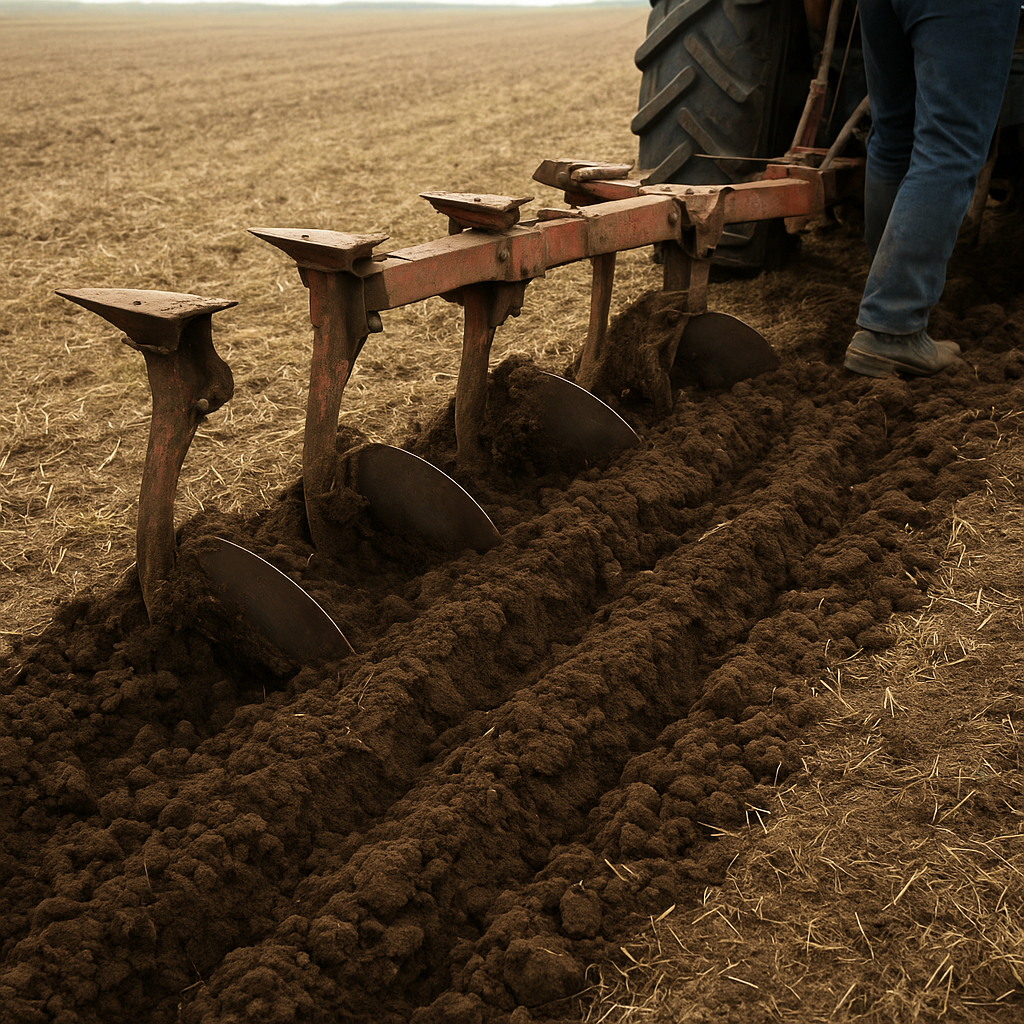
Effective deep plowing requires more than brute force and horsepower. It demands a strategic approach that respects the natural layering of your soil. Mixing soil layers indiscriminately can lead to reduced fertility, poor drainage, and long-term damage to your fields. This guide offers practical insights and expert advice on how to avoid soil layer mixing during deep tillage operations.
Understanding Soil Layer Structure
Before you break ground, take time to learn about the vertical makeup of your soil profile. Soil is typically organized into distinct horizons: the nutrient-rich topsoil (A horizon), the denser subsoil (B horizon), and the parent material below (C horizon). Each layer has a unique texture, organic matter content, and biological activity. When layers are mixed, you lose the benefits of each horizon and risk creating a uniform but infertile blend.
Key factors to assess:
- Texture: Clay, sand, and silt proportions vary by horizon. Mixing coarse and fine textures can impede water movement.
- Structure: Aggregates in topsoil foster root growth and microbial life. Disrupting them can reduce aeration and infiltration.
- Moisture: Different horizons hold water differently. Uniform moisture profiles encourage uniform crop emergence but may encourage waterlogging if drainage is compromised.
- Organic Matter: Highest in topsoil, it fuels nutrient cycling. Blending upper layers with mineral-rich subsoil dilutes organic content.
Choosing the Right Equipment
Select implements that target only the intended depth and minimize lateral disturbance. Modern technology offers features that help maintain horizon integrity:
- Moldboard plows lift and invert soil but tend to mix layers if set too deep. Use adjustable depth controls to avoid over-inversion.
- Chisel plows create deep fractures with less soil turnover. Their shanks loosen subsoil while leaving topsoil relatively intact.
- Subsoilers break compaction zones below the plow layer. Equipped with narrow energy-efficient shanks, they minimize soil displacement.
- Coulters mounted ahead of plow bodies cut residue cleanly and help maintain a straight slicing action, reducing lateral mixing.
Investing in GPS-guided depth regulators and automatic tilt adjustments ensures you stay within the target profile, avoiding inadvertent mixing of horizons. Routine calibration before each season is essential to account for wear and hydraulic drift.
Adjusting Depth and Angle for Precision
Depth control is crucial to precise plowing. Even a few centimeters of unintended variation can blend layers. Follow these guidelines:
- Set initial draft linkages to the recommended height for your soil type and crop rotation. Consult your implement manual or an agronomist for depth charts.
- Use hydraulic top link adjustments to maintain consistent angle. A shallower blade angle decreases soil inversion but may require additional passes.
- Monitor tractor forward speed. Too fast and the plow may “skate,” slicing above the desired level. Too slow and it may dig too deep.
- Check depth indicator wheels frequently. If they show increasing depth, inspect for clogged coulters or worn shares.
Accurate depth and angle settings keep the cutting blade within the same soil horizon, preserving structure and minimizing the blending of A and B layers.
Implementing Proper Field Practices
Beyond equipment, the sequence and method of your tillage operations matter. Here are best practices to reduce layer mixing:
- Stagger your plowing pattern. Offset adjacent passes by half a width to avoid “furrow pans” and excessive turnover.
- Maintain consistent residue cover on the surface. Crop residues protect the topsoil and help you gauge plow depth visually.
- Avoid deep tillage when soils are excessively wet or dry. Wet soils smear, sealing pores and mixing horizons. Dry soils shatter unpredictably.
- Rotate primary tillage with light secondary tillage. After deep plowing, follow up with a field cultivator set shallowly to refine the seedbed without reaching the subsoil.
Timing is also essential. Plow in the late fall or early spring when soil moisture levels are moderate. This reduces work resistance and helps implements glide smoothly through horizons.
Monitoring Soil Conditions in Real Time
Adopt agritech solutions for immediate feedback on soil disturbance:
- Use soil penetration testers on the go to verify subsoil fracturing without topsoil inversion.
- Install slope and tilt sensors on plow frames; these alert you when angle deviations exceed thresholds.
- Employ yield monitors and combine sensors post-harvest to detect zones of compaction or mixing manifested as yield dips.
- Leverage drone imaging or satellite NDVI mapping to visualize uniformity in surface texture and crop vigor.
Real-time monitoring helps you make in-loop adjustments, ensuring each pass respects the original layering. This proactive approach improves drainage and nutrient distribution across seasons.
Maintaining Soil Structure Post-Plowing
The work doesn’t end once you’ve returned your implement to the shed. Protect the newly exposed subsoil by:
- Applying organic amendments or cover crops immediately. Fast-growing grasses or legumes cover the surface, prevent erosion, and rebuild organic matter.
- Limiting heavy traffic on the field to designated lanes. Controlled-traffic farming reduces random compaction and preserves the loosening effect.
- Scheduling light passes with harrows or packers only when needed for seedbed preparation. Overworking the soil leads to compaction and the reformation of pans.
- Monitoring soil moisture and applying irrigation or drainage enhancements as necessary to maintain a healthy hydraulic regime.
Post-plowing care secures the benefits of your deep tillage, ensuring each horizon retains its functional role in water retention, aeration, and root support.
Adopting Long-Term Soil Management Strategies
Deep plowing is a tool, not a cure-all. Integrate it into a sustainable framework:
- Practice crop rotation that includes deep-rooted species to naturally alleviate compaction and distribute organic residues across horizons.
- Implement no-till or reduced-till zones in rotation to foster undisturbed soil ecosystems and improve aggregate stability over time.
- Conduct routine soil tests to track changes in bulk density, pH, and nutrient levels. Adjust your liming and fertilization plans accordingly.
- Invest in farmer education and extension services focused on soil science and conservation agriculture.
Participating in cover crop seed pools or equipment cooperatives can help spread the cost of specialized implements and ensure access to the latest innovations. By combining technical precision with ecological stewardship, you’ll preserve the distinctiveness of each soil horizon and maintain a productive, resilient farm.