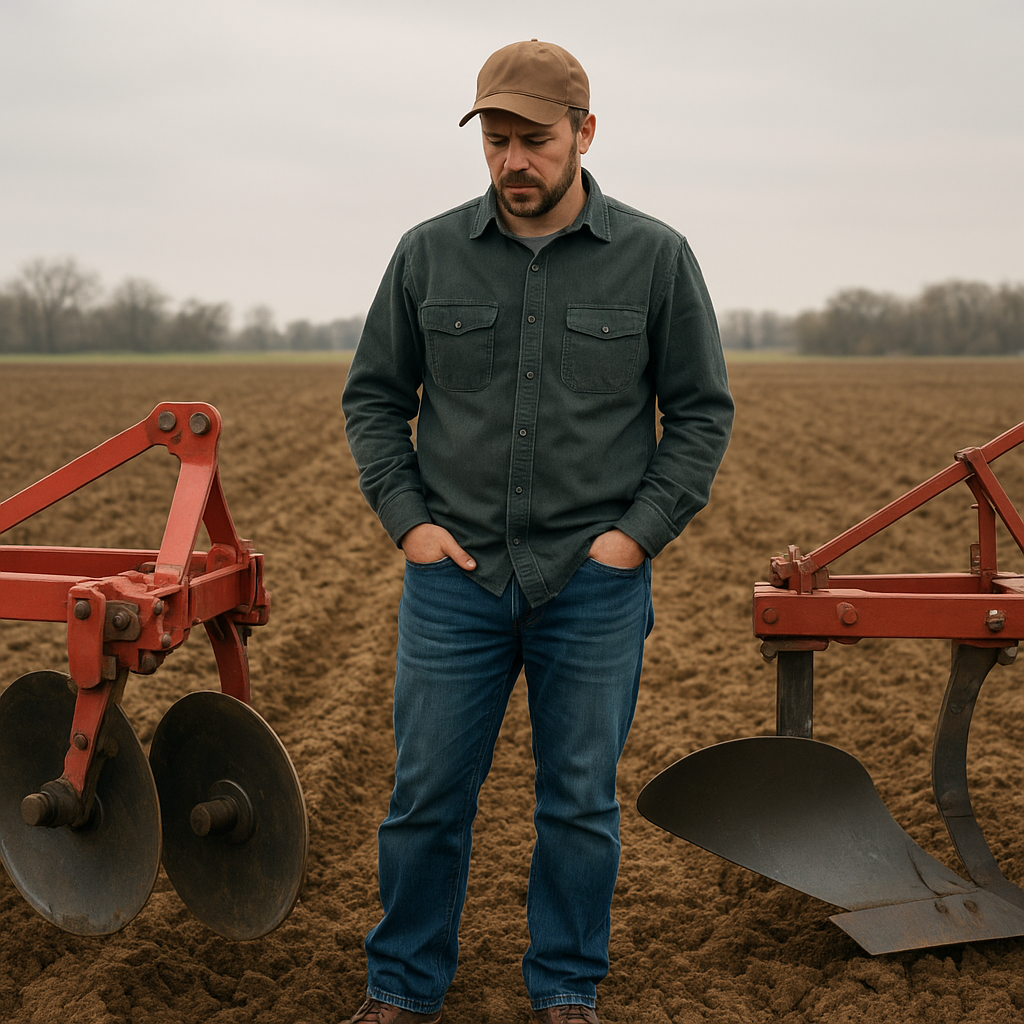
Selecting the right equipment for preparing your fields can make a significant difference in crop health, labor efficiency, and overall farm profitability. Whether you’re tackling compacted ground or looking to bury heavy residue, understanding the features of different plows will guide you toward the best choice. This guide explores the strengths and limitations of two popular implements, offering practical tips that help you match machine to field conditions.
Understanding Plow Fundamentals and Field Requirements
Before examining specific models, it’s essential to recognize how primary tillage shapes field performance. A plow’s main purpose is to invert and break soil, bury crop residue, and create a seedbed conducive to germination and growth. Key factors that influence plow selection include soil texture, moisture levels, residue management goals, and tractor capacity.
Soil Texture and Moisture Considerations
- Loamy to sandy soils are generally easier to cut and invert, reducing power draw.
- Heavy clay or compacted ground demands greater draft force and may clog certain designs.
- Excessive moisture increases draft requirements and can lead to poor inversion or smearing.
Assessing these variables helps you decide whether a more aggressive implement or a gentler design meets your needs.
Residue Management Goals
- In regions with high crop residue—corn stalks, soybean stems, or small grains stubble—effective turnover prevents volunteer plants and pest harborage.
- Some farmers prefer minimal disturbance to maintain soil structure and moisture; others opt for thorough burial to ensure uniform decomposition.
Key Features of Disc Plows
A disc plow employs concave steel discs that rotate as the implement moves forward. Each disc cuts into the ground, slicing residues and inverting soil in a series of overlapping arcs. Disc plows excel under certain conditions:
Advantages of Disc Plows
- Residue Management: The rotating discs chop and mix surface residue effectively, preventing clogging in heavy-straw fields.
- Wear Resistance: Discs can handle rocky ground and abrasive soils without serious damage, offering maintenance advantages over moldboard blades.
- Floatation: The design allows discs to ride over surface irregularities, reducing draft spikes in undulating terrain.
- Versatility: Disc gangs can be adjusted to increase angle for a more aggressive cut or decreased for minimal soil inversion.
Potential Limitations
- Depth Control: Achieving consistent plowing depth can be challenging; discs may “walk” or skid if not properly balanced.
- Tillage Uniformity: Discs tend to leave less uniform seedbeds, with potential clods or trash layers.
- Draft Requirement: Although efficient at residue cutting, disc plows often demand more tractor traction to pull through heavy soils compared to moldboards at shallow depths.
Key Features of Moldboard Plows
The moldboard plow relies on a curved plate to slice, lift, and invert a continuous strip of soil. This classic design has shaped agricultural landscapes for centuries, offering:
Advantages of Moldboard Plows
- Clean Turnover: The continuous inversion leaves a smooth seedbed, burying residue and weeds deeply.
- Depth Precision: Adjustments in hitch height and skimmer settings permit accurate control of working depth even across variable terrain.
- Soil Aeration: By turning the soil completely, moldboards break compacted layers, improving root penetration and microbial activity.
- Lower Draft at Shallow Depths: When working 4–6 inches deep, a moldboard often requires less horsepower than a disc gang set aggressively.
Potential Limitations
- Residue Clogging: Fields with high volumes of stalks or straw may cause moldboards to foul, necessitating frequent cleaning.
- Wear in Rocky Soils: Sharp edges and flat surfaces are prone to damage when encountering stones.
- Management Demands: Regular sharpening and adjustment of moldboard surfaces and skimmers increase routine maintenance time.
Comparative Decision Factors
Choosing between a disc and a moldboard plow involves balancing performance trade-offs against your specific operation. Consider the following:
- Soil and Residue: Heavy-stubble farms often lean toward disc plows, while those requiring pristine seedbeds favor moldboard models.
- Tractor Power and Traction: Verify that your tractor’s horsepower rating and tire or track configuration can handle the implement’s draft demands.
- Field Topography: Uneven or rocky terrain benefits from the flexible float of discs; flatter, cleaner fields take well to moldboards.
- Operational Costs: Calculate long-term expenses, including replacement parts, fuel consumption, and labor for adjustments and sharpening.
- Seasonal Timing: If you need quick turnaround after harvest, a disc plow may clear residue faster, while moldboards suit planned deep inversion in spring.
Practical Tips for Effective Plowing
Maximize the return on your investment by following these field-tested tips:
Optimize Settings
- Begin with the manufacturer’s recommended angles and depth settings, then adjust for local conditions.
- Set hydraulic depth control and leveling devices to ensure uniform results across the width of the implement.
Monitor Soil Moisture
- Plowing too wet can lead to compaction and smearing; too dry results in hard clods that resist inversion.
- A soil moisture content between 50–75% of field capacity typically yields clean furrows.
Routine Maintenance
- Inspect blades or discs for wear and damage before each use; replace or rotate sections to ensure balanced cutting.
- Keep hinge points and bearings greased to minimize downtime during critical field work.
Residue Management
- Consider additional tools such as chisel plows or harrows to break clods and distribute residue evenly if seedbed finish is inadequate.
- Directional tillage—changing plowing direction each pass—can enhance residue burial and soil mixing.
Efficiency Enhancers
- Match field speed to implement design: disc plows often run faster, while moldboards require slower, steady pulls for best inversion.
- Use GPS-based auto-steer systems to maintain straight lines and minimize overlap, saving fuel and time.