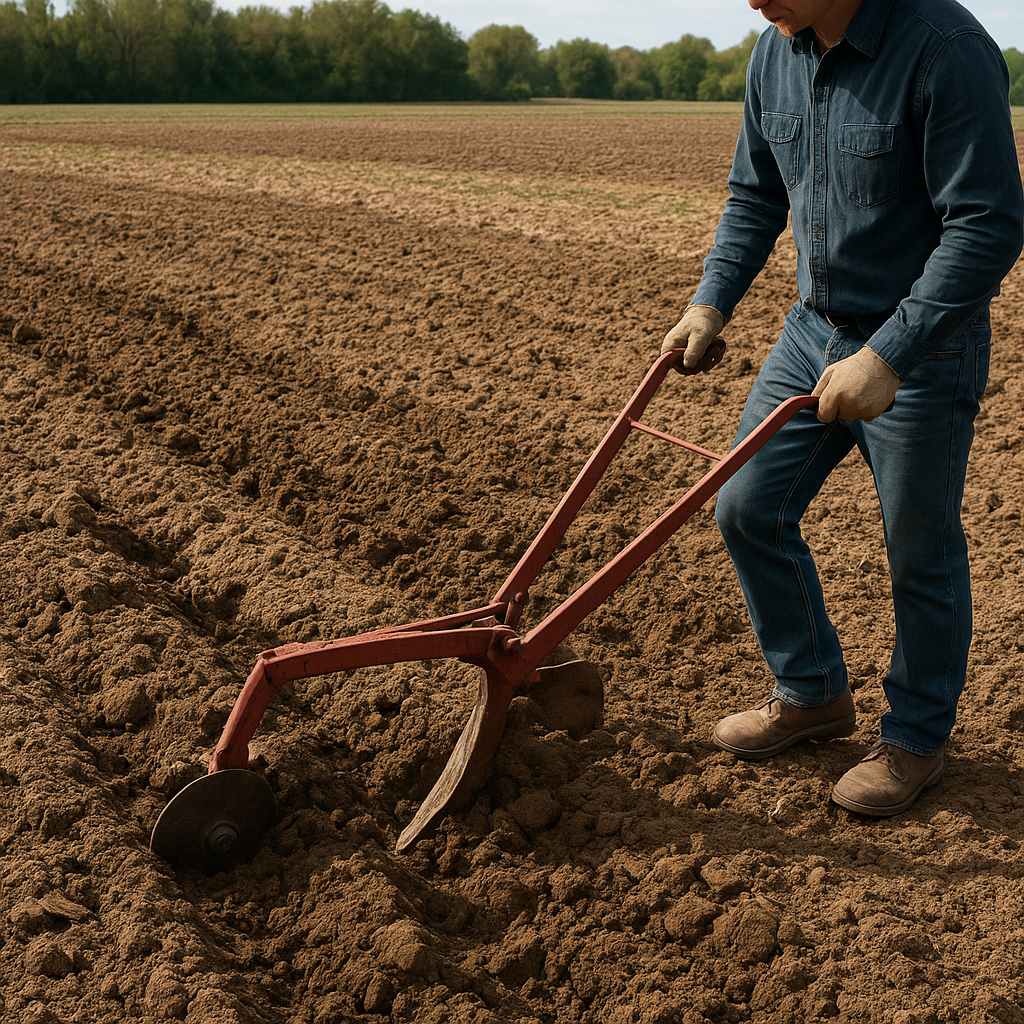
Achieving a uniform seedbed starts with mastering **plowing** techniques that address the root causes of uneven soil turnover. When ridges, clods, or unturned strips appear after a pass, it compromises **crop** emergence, irrigation efficiency, and long-term **soil** health. This guide outlines practical steps to identify problems, optimize equipment, and restore a level working surface.
Recognizing Uneven Soil Turnover
Visual Indicators
After a plowing pass, take time to inspect the field by walking in parallel lanes. Look for:
- Surface Ridges: Raised strips where soil wasn’t fully inverted.
- Unturned Strips: Bands of old sod or residue left on top.
- Clod Formation: Large, compact chunks that hinder seedbed preparation.
- Variable Depth: Sections cut too shallow or too deep, leading to inconsistent moisture profiles.
Causes of Non-Uniform Turnover
- Poorly adjusted plow settings, such as incorrect furrow width or depth.
- Tractor speed that’s too high, preventing proper soil engagement.
- Uneven **moisture** content causing some areas to shear cleanly while others smudge or cake.
- Worn or damaged moldboard and coulter blades reducing cutting efficiency.
- Inadequate tractor weight or traction, resulting in slippage on slopes or soft ground.
Pre-plowing Strategies for Consistency
Equipment Calibration and Maintenance
Before you sink the moldboards into the field, ensure every component is in top shape.
- Check all plow bolts and pins for tightness; loose connections can lead to uneven alignment.
- Sharpen or replace moldboard and coulter blades. Dull edges increase draft and produce more clods.
- Verify hydraulic settings on three-point hitches and depth control systems. A faulty sensor can yield variable plow depths.
- Balance tractor ballast to improve traction; front and rear weights should be matched to the plow’s size and soil type.
Field Preparation
- Perform a primary residue management pass if heavy crop stubble is present. This reduces drag and allows the plow to share evenly.
- Evaluate soil moisture across zones. Ideal moisture levels enable clean shear without compacting. Use a simple squeeze test: soil should form a loose ball that crumbles easily when pressed.
- Divide larger fields into manageable sections. Plowing in consistent, straight passes minimizes angle changes that lead to uneven furrows.
Effective Post-plowing Adjustments and Leveling
Grading and Leveling Implements
Once the initial plow pass is complete, use complementary tools to correct irregularities:
- Leveling Discs or Land Planes: Set at a slight angle to smooth out surface ridges and spread clods.
- Field Cultivators: Equipped with tines and leveling baskets to break up soil aggregates and refine the seed zone.
- Drag Harrows: Offer a simple solution for evening out minor peaks and filling low spots.
Fine-tuning with Secondary Plowing
In fields with severe unevenness, a secondary pass using a shallow plow setting can correct deep ridges. Follow these tips:
- Reduce depth by 25–30% compared to the first pass. This focuses on remixing soil lumps without creating new striations.
- Operate at lower speeds (3–4 mph) to ensure the moldboards can fully invert residual clods.
- Stagger subsequent passes by half a furrow width to overlap and rectify missed areas.
Ongoing Maintenance and Prevention
Monitoring Soil Structure
Regularly sample soil at various depths along the plow line to detect compaction layers. Hard pans often develop just below max plow depth, limiting root growth and water infiltration. Implement periodic subsoiling or deep ripping if resistance is high.
Rotation of Tillage Practices
- Alternate moldboard plowing with reduced-tillage methods (chisel plow, vertical tillage) to preserve organic matter and minimize disturbance.
- Integrate cover crops to improve soil aggregation and moisture retention, reducing uneven shear on subsequent plow passes.
- Adjust plow timing based on seasonal moisture forecasts. Avoid overly wet or bone-dry conditions that complicate uniform slice formation.
Operator Training and Record Keeping
- Document plow settings, ground speed, and field conditions after each session. Use this log to pinpoint combinations that produce the best results.
- Train operators on visual checks and simple field tests for moisture and compaction.
- Encourage consistent equipment upkeep schedules, including greasing, blade inspections, and hydraulic checks.