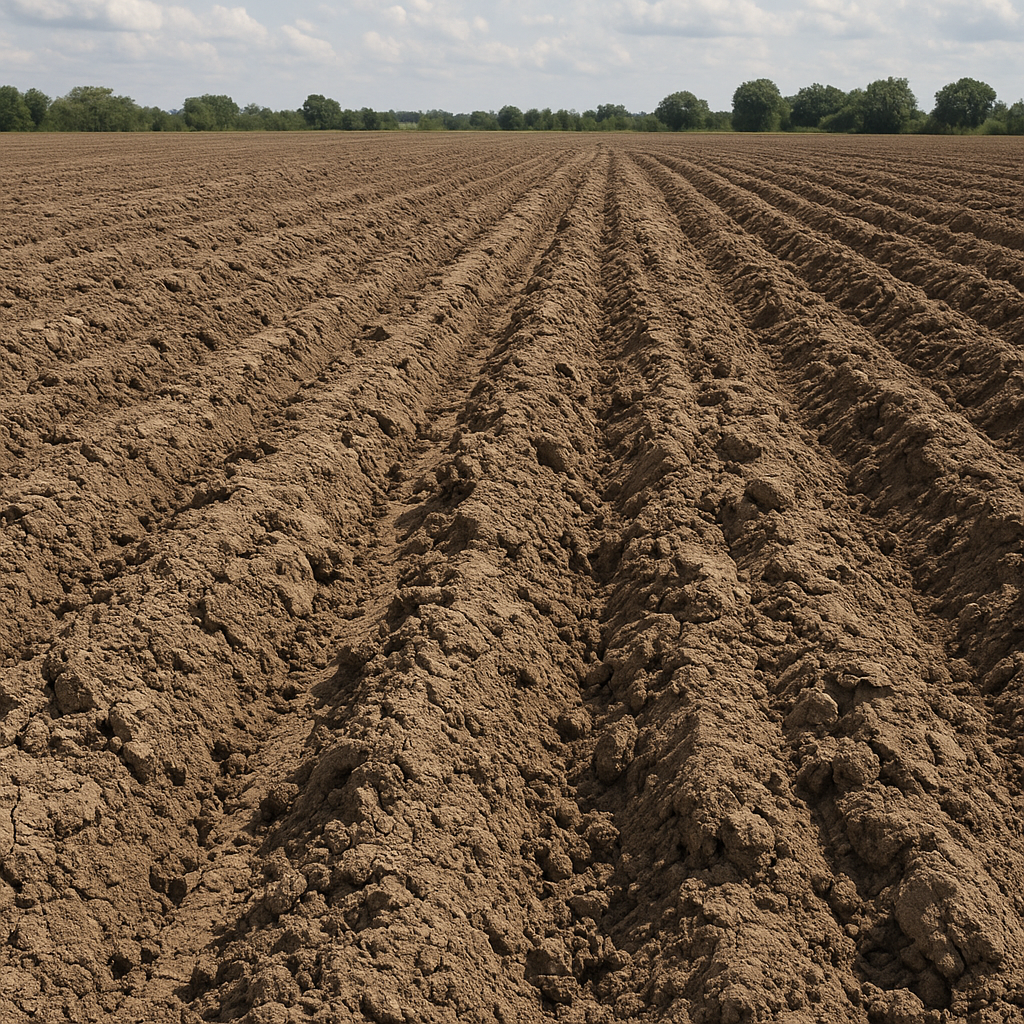
Proper plowing is essential for maintaining healthy fields and maximizing crop yields. However, excessive tillage can lead to a range of problems that undermine soil vitality and long-term sustainability. This article explores the key indicators of **over-plowed** soil, explains why preserving soil integrity is so crucial, and offers practical tips to restore and protect your land.
Soil Structure and Its Importance
Before diving into the signs of over-plowing, it’s important to understand what makes soil function effectively. Soil is a complex system composed of minerals, organic matter, water, air, and living organisms. The arrangement of these components in stable aggregates defines soil structure, which in turn influences water infiltration, root penetration, and nutrient cycling.
The Role of Aggregates and Porosity
- Aggregates are clusters of soil particles bound by organic compounds and microbial byproducts.
- Good aggregate stability ensures uniform porosity, allowing water and air to circulate freely.
- Well-formed pore spaces support beneficial microbial activity and efficient aeration.
Impact on Root Development
Healthy soil structure provides low-resistance pathways for roots to access water, nutrients, and oxygen. When structure deteriorates, roots become stunted, reducing the plant’s ability to withstand drought and extract vital minerals, which directly affects crop productivity.
Recognizing Over-Plowing Symptoms
Frequent or aggressive tillage can disrupt soil architecture, leading to surface crusting, subsoil compaction, and the formation of a plow pan. Monitoring your fields for early warning signs can help you take corrective measures before damage becomes severe.
1. Surface Crusting and Poor Seed Emergence
- A hard, powdery layer on the soil surface often appears after heavy rain or irrigation due to fine particles clogging pores.
- Surface crusting impedes seedling emergence and reduces water infiltration, causing runoff and erosion.
2. Plow Pan and Root Restriction
- A compacted horizon just below the tilled layer, known as a plow pan, forms when heavy equipment repeatedly passes over the same depth.
- Roots encountering a dense pan will spread horizontally instead of penetrating deeper, limiting access to moisture reserves and nutrients.
3. Reduced Infiltration and Increased Runoff
Over-plowed soils often exhibit lower infiltration rates. Water pools on the surface, carrying away topsoil and agrochemicals. This not only depletes the nutrient-rich upper layers but also contributes to water pollution and diminished field resilience.
4. Decline in Organic Matter and Microbial Activity
Excessive tillage accelerates the decomposition of organic residues, depleting soil carbon stocks. A drop in organic matter levels directly affects the population of beneficial microbial communities responsible for nutrient mineralization and disease suppression.
5. Unusual Color and Texture Changes
- Lightened soil color may indicate loss of organic compounds, while a greasy or “slick” feel could signal compaction.
- Clay-rich areas may exhibit plate-like structures or slick surfaces when compacted, betraying poor aggregate formation.
Strategies to Restore and Protect Soil Health
Once signs of over-plowing become evident, swift action is needed to rehabilitate the affected areas. A combination of mechanical, biological, and agronomic practices can help rebuild soil structure, improve moisture retention, and enhance field longevity.
Adopting Reduced and Conservation Tillage
- Switch to shallow or no-till systems to minimize disturbance of aggregate networks.
- Use residue management tools—such as coulters and row cleaners—to preserve crop residues that shield the surface and feed soil life.
Incorporating Cover Crops and Diverse Rotations
Cover crops, especially deep-rooted species like radishes or rye, can penetrate compacted zones and create biopores. A diverse rotation strengthens soil resilience by breaking pest cycles, improving nutrient balance, and encouraging a wide range of soil organisms.
Deep Ripping and Strategic Subsoiling
- In areas with severe plow pan formation, consider one-time deep ripping at controlled moisture to break compaction without shredding aggregates.
- Ensure that subsoiling depth is appropriate—too deep can damage hardpan below, while too shallow may not reach the compacted layer.
Enhancing Organic Matter and Cover
Applying compost, manure, or biochar injects stable carbon into the soil, boosting aggregate stability and water-holding capacity. Maintaining a continuous soil cover—living or dead—reduces evaporation and protects against temperature extremes, preserving soil moisture.
Monitoring and Adaptive Management
- Use a handheld penetrometer to check penetration resistance at various depths. Readings above 300 psi often suggest an impermeable layer.
- Conduct infiltration tests by timing how long it takes a known volume of water to soak into the soil.
- Regularly sample soil for organic carbon, bulk density, and nutrient content to gauge the effectiveness of your remediation efforts.
Maintaining Long-Term Soil Productivity
Preventing over-plowing and preserving soil health is an ongoing process. Integrating the right combination of tools, crops, and management strategies will help you maintain a vibrant soil ecosystem. Over time, you’ll notice improvements in crop vigor, reduced input needs, and enhanced capacity to withstand extreme weather events.
Key Takeaways
- Limit mechanical disturbance to preserve natural tillage layers.
- Build organic matter through cover crops, compost, and minimal residue removal.
- Address compaction issues promptly with targeted interventions like deep ripping.
- Monitor soil indicators—penetration resistance, infiltration, and microbial activity—to inform your decisions.
By recognizing the symptoms of over-plowed soil and applying these practical tips, farmers and land managers can restore field productivity, safeguard the environment, and ensure sustainable yields for years to come.