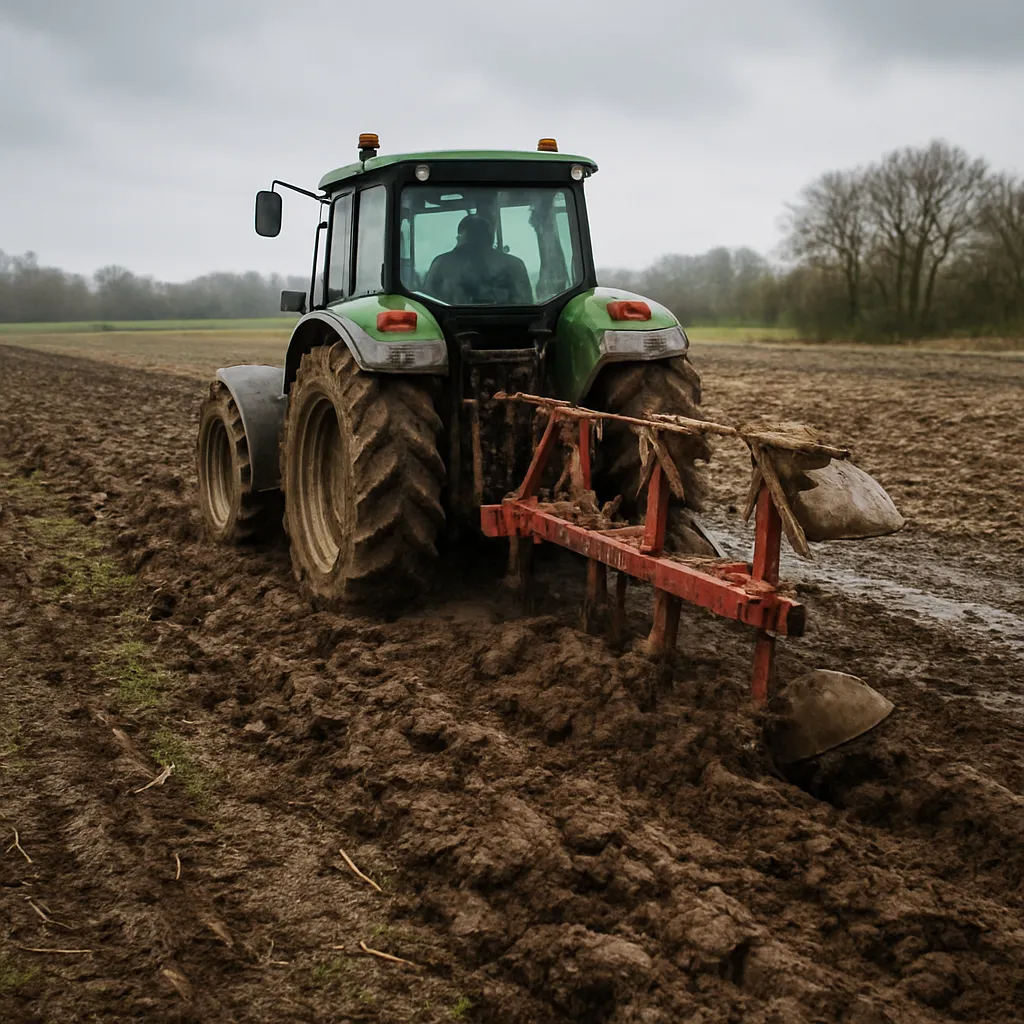
Plowing in soggy spring fields poses unique hurdles, but with the right approach, you can turn wet soil into a strong foundation for the growing season. This guide covers essential factors—from assessing soil moisture to selecting the best tools and fine-tuning your techniques—to help you maintain productivity and reduce long-term damage in damp conditions.
Understanding Soil Moisture and Weather Patterns
Before you fire up the tractor, grasping the current state of your field is critical. Overly wet soil leads to excessive compaction, poor seedbed formation, and uneven seed germination. On the other hand, plowing too early can tear up clods that take weeks to break down.
Testing Soil Moisture Levels
- Use a hand-held moisture meter to check moisture percentages at various depths.
- Perform the squeeze test: grab a handful of soil and see if it forms a ribbon when squeezed between thumb and forefinger.
- Track weather forecasts to anticipate extended wet spells or drying periods.
Identify threshold values for your soil type: loamy soils can tolerate slightly higher moisture before compaction risks escalate, while clay soils require more caution due to slower drainage.
Monitoring Local Weather Trends
- Install a basic weather station to record rainfall and temperature changes.
- Use historic data to predict typical spring patterns in your region.
- Plan plowing operations during dry windows to limit time spent in wet fields.
Understanding recurring weather cycles helps schedule tillage windows that minimize soil damage and maximize results.
Equipment Selection and Maintenance
Selecting the right tool and keeping it in top condition reduces downtime and improves field performance. Wet soils place extra strain on plow components, making robust equipment essential.
Choosing the Proper Plow Type
- Moldboard plows are excellent for turning heavy residues but require more draft force in wet soils.
- Chisel plows disturb the soil less aggressively, reducing the risk of clogging in damp conditions.
- Disc plows handle sticky soils better and shed mud quickly, improving traction and consistency.
Match the implement to your soil texture and residue levels to preserve field structure and maintain a workable seedbed.
Regular Inspection and Maintenance
- Sharpen or replace worn coulters and points to ensure clean cutting through wet sod.
- Check hydraulic hoses and fittings for leaks; controls under load in wet conditions must be reliable.
- Grease moving parts frequently to prevent mud buildup and reduce friction.
Routine maintenance helps avoid breakdowns in the middle of a critical spring window and extends the life of your machinery.
Optimizing Plowing Techniques
How you operate machinery in wet conditions is just as important as the gear itself. Proper technique mitigates soil smearing and promotes even drying.
Adjusting Depth and Speed
- Shallow passes of 4–6 inches reduce draft load and prevent the bottom layer from smearing.
- Increase tractor speed slightly to help shed mud off the plow disks but avoid excessive speed that could harm the soil profile.
- Break large wet areas into multiple shallower passes rather than a single deep furrow.
Tuning depth controls and forward speed ensures better resilience of soil aggregates.
Implementing Controlled Traffic
- Use wheel markers or GPS guidance to keep implements on the same tracks.
- Confining heavy equipment traffic to designated lanes reduces overall compaction in the field.
- Rotate traffic patterns year to year to distribute wear evenly.
Controlled Traffic Farming preserves the natural structure of between-row areas and speeds up seasonal drainage.
Advanced Tips: Drainage, Calibration, and Field Management
Seasoned growers know that long-term planning and minor adjustments can significantly enhance spring plowing outcomes.
Enhancing Field Drainage
- Install shallow surface ditches to move excess water away quickly.
- Consider subsurface tile lines in fields prone to waterlogging.
- Maintain buffer zones with cover crops that improve infiltration and reduce erosion.
Proper drainage prevents standing water and reduces the time you spend waiting for fields to dry.
Calibrating Equipment for Wet Soils
- Adjust hitch settings to maintain consistent plow angle and depth across moist zones.
- Balance weight distribution; extra front ballast may help prevent wheel slip.
- Fine-tune hydraulic pressure to keep molds sliding smoothly without stalling.
Correct calibration saves fuel, cuts compaction, and ensures uniform plowing even when conditions vary across the field.
Maintaining Soil Health Post-Plowing
- Incorporate organic matter or cover crops immediately after plowing to protect the bare soil.
- Monitor pH and nutrient levels, adjusting fertilizer plans to support early root development.
- Plan follow-up tillage between rows if clods remain too large for seeding.
A proactive field management strategy sets the stage for robust germination and vigorous early plant growth, turning a challenging wet spring into a productive season.