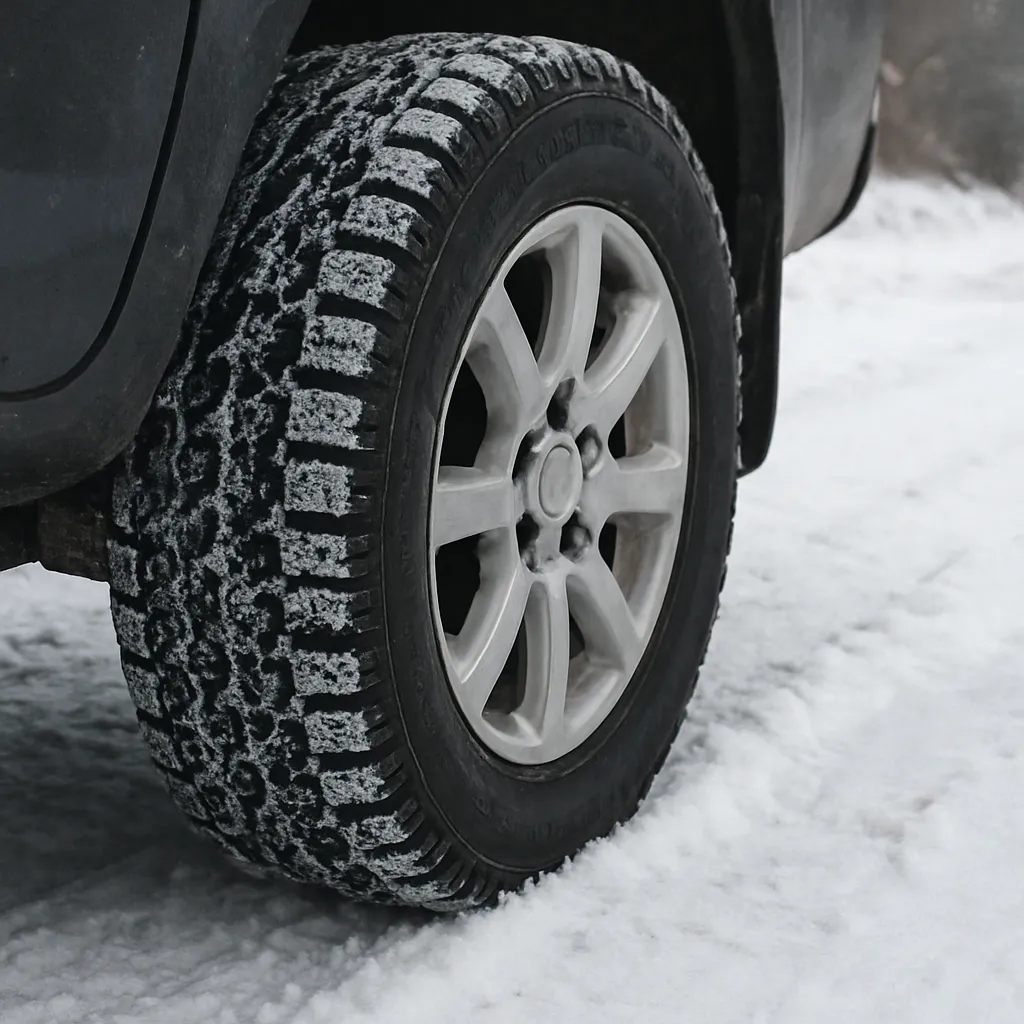
Effective plowing depends on more than raw engine size or piling extra weight onto your tractor. By focusing on smart adjustments and fine-tuning key systems, you can significantly enhance traction without compromising speed or fuel economy. This guide covers practical tips—from choosing the right setup to on-the-go field tactics—so you can tackle tough soil with confidence and minimal added mass.
Selecting the Right Equipment
Choosing the proper tools and implement combinations lays the foundation for lasting performance. Instead of bolting on heavy wheel weights or cumbersome ballast boxes, consider these strategic options:
- Tire and Rim Size: Opt for wider tires or dual rims to distribute weight more evenly. A broader contact patch lowers ground pressure and improves grip.
- Implement Matching: Pair plow size to tractor horsepower. An oversized plow can lead to excessive slippage, while an undersized unit wastes potential.
- Adjustable Hitch Systems: A three-point hitch with variable lift height lets you fine-tune the interaction between tractor front and rear axles, optimizing weight distribution without extra ballast.
- Low-Profile Accessories: Choose lighter moldboards or narrower coulters made from high-strength alloys. These reduce drag and improve fuel efficiency while maintaining soil turnover.
Beyond gear selection, confirm that your tractor’s PTO and hydraulic systems are in top shape. A slipping PTO clutch or leaking hydraulic lines can shave off precious torque—meaning less pulling force at the drawbar.
Optimizing Tire and Track Performance
Rubber meets dirt in the most direct way—through tires or tracks. Proper care and calibration of these contact surfaces can yield remarkable traction gains:
- Tire Pressure Management: Lowering tire pressure increases the footprint, enhancing grip in soft ground. Aim for 10–15% below the manufacturer’s highway specs when plowing.
- Directional Tread Patterns: Use R-1 tires with aggressive chevron lugs for muddy or loose soils. In firmer ground, choose a more moderate tread depth to reduce rolling resistance.
- Track Tensioning: For track-equipped tractors, ensure proper tension. Overly loose tracks can slip sideways, while overtightening raises rolling resistance and track wear.
- Traction Chains: Lightweight tire chains with an alternating cross pattern add grip on icy or compacted fields. They slip less than conventional ladder chains.
Regular cleaning of tread channels and undercarriage cavities also prevents soil buildup, which can turn your tire or track into a slick, ineffective band.
Fine-Tuning Ballasting and Weight Distribution
Well-planned ballasting can improve drawbar pull without unnecessary heft. Instead of filling full weight boxes, explore these nuanced strategies:
- Add-On Front Weights: Mount only as much front weight as needed—consider modular cast-iron blocks you can remove when plowing lighter soils.
- Rear Wheel Spacers: Increasing track width spreads load across a wider footprint, reducing side slip on turns and steep grades.
- Liquid Ballast: Use water-filled tires or dedicated ballast tanks that you can drain post-plow to shed weight during transport.
- Implement Ballast: Shift ballast from the tractor to the plow frame. A well-balanced plow can act as a counterweight, reducing the tractor’s need for additional mass.
All adjustments should keep your tractor within its rated stability and axle load limits. Overloading one axle can lead to unsafe handling, premature tire wear, and decreased fuel efficiency.
Advanced Field Techniques
How you operate the tractor in the field influences traction as much as mechanical changes. Skilled driving can unlock extra pull:
- Smooth Throttle Control: Sudden throttle spikes cause tire spin. Instead, ease into full throttle as the plow enters soft zones, maintaining gradual power delivery.
- Optimal Ground Speed: Match forward speed to soil resistance. Too slow invites soil packing; too fast causes draft spikes and machine bounce, reducing effective plow depth.
- Sectional Plowing: In high-resistance patches—clay pockets or wet areas—limit plow width or use fewer bottoms to avoid overload.
- Pre-Wetting or Pre-Tilling: Lightly irrigate or cultivate hardpan areas. Moisture softening and loosened soil can cut required draft force by 20–30%.
- Layered Plowing: Break the furrow in two passes: shallow first, then deeper. This gradual engagement prevents the tractor from bogging down immediately.
These techniques demand attentive monitoring of plow draft gauge readings and consistent evaluation of soil resistance. A good practice is to carry a portable drawbar pull meter to assess real-time pulling forces.
Maintenance and Monitoring
Consistent upkeep ensures all traction-improving measures remain effective over the long haul:
- Regular Lubrication: Grease hitch points, wheel bearings, and track rollers. Friction losses in these areas directly reduce available drawbar power.
- Implement Alignment: Ensure the plow is perfectly aligned with the tractor’s centerline. Side draft angles increase lateral slippage.
- Component Inspection: Check for worn lugs, damaged chains, or cracked wheels. Even minor damage can degrade traction significantly.
- Hydraulic System Health: Clean filters, monitor fluid levels, and watch for leaks. Full hydraulic pressure is essential for responsive hitch control.
- Data Logging: Use onboard telematics or a simple field notebook to record wheel slip percentages, fuel usage, and operating conditions. Over time, patterns will reveal opportunities to tweak your setup.
By combining these maintenance routines with the equipment and technique strategies outlined above, you can achieve superior traction without resorting to excessive weight. In doing so, you preserve maneuverability, protect soil structure, and boost your overall field productivity.