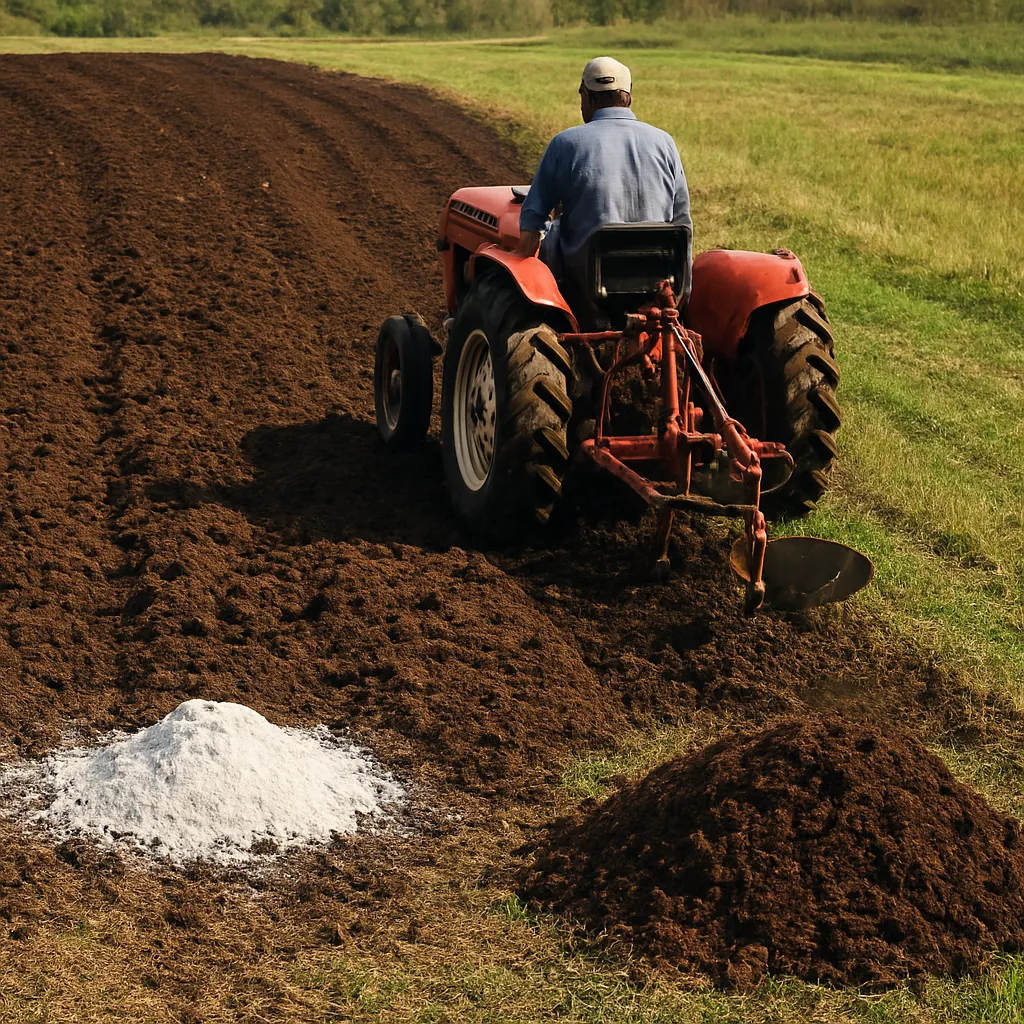
Incorporating lime or compost into a field during plowing can dramatically improve soil health and enhance crop performance. Whether you’re managing a small vegetable plot or hundreds of acres of row crops, understanding the proper methods for integrating these vital amendments will ensure you maintain optimal soil structure, balanced pH, and robust microbial activity. The following guidance covers key considerations, best practices, and practical tips to maximize the benefits of lime and compost application in your tillage operations.
Understanding Lime and Compost: Functions and Benefits
Before you begin, it’s essential to recognize the unique roles that lime and compost play in soil management. Both serve as critical components in building a sustainable, highly productive system, but they target different aspects of soil health.
Lime: pH Adjustment and Nutrient Availability
Lime is primarily used to raise soil pH, counteracting acidity that can limit nutrient uptake and microbial activity. Applying the correct amount ensures:
- Balanced pH levels for most crop species.
- Improved availability of essential nutrients like phosphorus and potassium.
- Enhanced activity of beneficial microorganisms that aid in nutrient cycling.
Compost: Biological Stimulation and Organic Matter
Compost is a rich source of stabilized organic matter and a diverse consortium of microorganisms. Adding compost to your soil brings multiple advantages:
- Increased soil structure and improved tilth.
- Enhanced moisture retention and reduced erosion.
- Slow-release of nutrients for sustained crop yields.
- Boosted soil biodiversity, supporting a healthy ecosystem.
Planning Your Plowing Operation
Successful incorporation starts with thorough planning. Identify your goals, analyze your soil, and choose the right materials.
Step 1: Soil Testing and Analysis
- Conduct a comprehensive soil test every 2–3 years.
- Measure current pH, nutrient levels, and organic matter percentage.
- Determine specific lime requirements (tons per acre) to reach the target pH.
Step 2: Selecting Quality Amendments
- Choose high-calcium or dolomitic lime based on magnesium needs.
- Source mature, weed-free compost with stable organic content.
- Confirm no chemical contaminants or excessive salts in compost.
Step 3: Timing and Weather Considerations
Plan applications when fields are dry enough for equipment access and before major rainfall arrives. Ideally, lime requires several months to fully react, so autumn or early winter application is common. Compost can be applied closer to planting but avoid excessively wet conditions to prevent clogging plow furrows.
Techniques for Incorporating Lime or Compost While Plowing
When it comes time to integrate amendments, precision and consistency are key. Choose the right machinery setup and follow a disciplined approach to achieve even distribution.
Equipment Setup and Calibration
- Use a broadcast spreader calibrated for lime or compost particle size.
- Adjust spreading width and application rate to match field size.
- Ensure even overlap to prevent untreated strips.
In-Field Application Sequence
- Broadcast lime or compost at the recommended rate.
- Immediately follow with primary tillage (moldboard plow or chisel plow).
- Adjust plow depth (6–8 inches) to fully mix the amendment into the topsoil zone.
- Conduct secondary tillage (disc harrow or field cultivator) to refine soil texture and eliminate clods.
Monitoring Incorporation Efficiency
After plowing, inspect random furrows to confirm the amendment is uniformly mixed. Soil cores can be taken to a depth of 6–8 inches and tested for lime distribution or organic matter increase. Adjust equipment settings for subsequent passes if unevenness is detected.
Best Practices and Advanced Tips
For those looking to elevate their plowing and incorporation strategy, the following recommendations will help you fine-tune performance and boost long-term soil vitality.
- Residue Management: Incorporate crop residues with compost to accelerate decomposition and recycle nutrients.
- Cover Cropping: Plant cover crops after plowing to prevent erosion and capture remaining nutrients.
- Variable-Rate Technology: Use GPS-based application to match lime or compost rates to soil variability across fields.
- Sustainability Focus: Integrate organic amendments regularly to build up soil organic matter over years rather than relying solely on synthetic fertilizers.
- Water Management: In dry regions, lightly irrigate after plowing to begin the chemical reactions between soil and lime.
- Equipment Maintenance: Clean spreaders and plows thoroughly after each use to prevent build-up and corrosion.
By combining careful planning, correct amendment selection, and precise machinery operation, you can achieve a well-balanced soil environment that fosters vigorous plant growth. Effective incorporation of lime and compost not only addresses immediate fertility needs but also builds resilience, ensuring your fields remain productive for years to come.