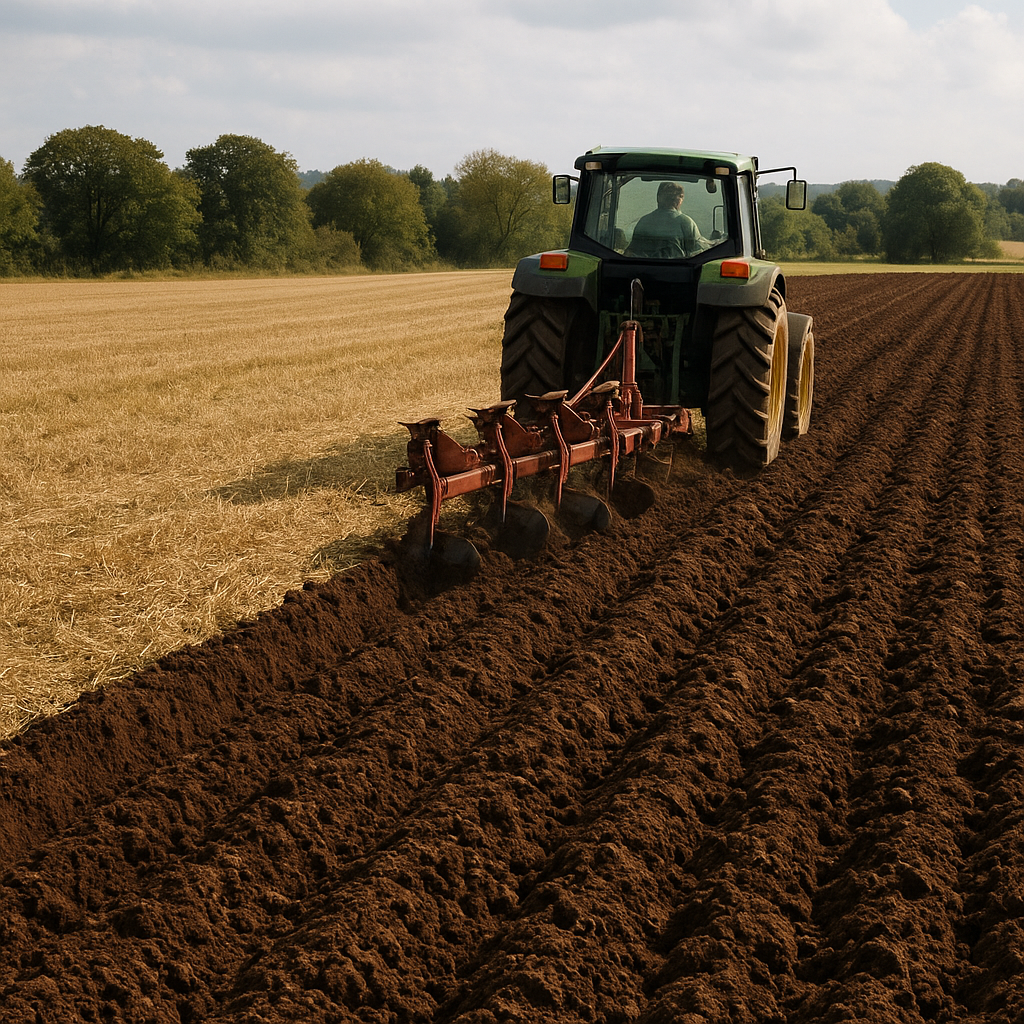
Efficient plowing goes beyond simply turning the soil; it plays a pivotal role in increasing organic matter and fostering a thriving ecosystem beneath the surface. By aligning agronomic goals with careful management of tillage practices, farmers can bolster soil structure, enhance microbial activity, and improve moisture retention. This article outlines actionable strategies to maximize the benefits of plowing while preserving the long-term health and sustainable productivity of agricultural land.
Understanding Soil Organic Matter and Its Importance
Organic matter consists of decomposed plant and animal residues, living organisms, and humified substances in the topsoil. It forms the backbone of soil fertility, providing essential nutrients and maintaining the physical properties that support root growth. High levels of organic matter contribute to better water infiltration, reduced erosion, and increased biodiversity within the soil profile.
Key components of soil organic matter include:
- Active fraction (fresh residues and living biomass)
- Slow fraction (partially decomposed materials)
- Stable fraction (humus)
Each fraction plays a distinctive role. The active fraction drives nutrient cycling and microbial processes, while the stable fraction enhances long-term carbon storage, crucial for carbon sequestration efforts in climate-smart agriculture.
Implementing Strategic Plowing Techniques
Targeted plowing strategies can invigorate the decomposition of crop residues and incorporate organic amendments evenly throughout the soil. However, improper tillage can degrade structure and lead to compaction or accelerated erosion. The following best practices ensure that plowing contributes to soil enrichment rather than degradation.
Timing and Depth
Optimal timing for plowing corresponds with weather conditions that allow the soil to be workable but not overly wet. A mid- to late-autumn or early spring tillage can incorporate residues before winter freeze or planting season. Adjust plow depth to reach the zone rich in surface residues without disturbing deeper layers unnecessarily. Typically, 6–8 inches is sufficient to mix organic amendments while preserving deeper aggregates.
Equipment Selection and Calibration
Choosing the right tool is critical. A moldboard plow effectively buries crop residues but can increase erosion risk on slopes. Chisel plows or disc harrows provide shallower, more conservative tillage, maintaining soil structure and reducing moisture loss. Regular calibration of plow components—shares, discs, and coulters—ensures uniform disturbance. Keep blades sharp and properly angled for minimal fuel consumption and even residue incorporation.
Key considerations for equipment:
- Weight distribution to avoid compaction wheels
- Adjustable shear bolts for safety and flexibility
- Compatibility with cover crop residues and field conditions
Complementary Practices to Enhance Organic Matter
While plowing can integrate residues, pairing it with additional practices maximizes organic matter buildup and sustains soil health through varying seasons.
- Cover Crops: Plant legumes, brassicas, or grasses after main harvests. Their biomass contributes nitrogen and carbon before plowing.
- Green Manure Incorporation: Grow fast-growing species specifically for turn-in. Timing incorporation at peak biomass optimizes nutrient availability.
- Reduced Chemical Inputs: Minimize synthetic pesticide and fertilizer use to protect microbial communities responsible for decomposition.
- Residue Management: Avoid burning crop residues. Instead, chop and distribute evenly before tillage to enhance breakdown.
- Crop Rotation: Alternate deep-rooted and shallow-rooted crops to break compaction layers and diversify residue quality.
Monitoring and Maintaining Long-term Soil Health
Continuous assessment of soil properties ensures that plowing and associated practices are delivering desired outcomes. Regular soil testing provides insight into organic matter trends, nutrient levels, and pH balance. Visual inspections of soil aggregates and root penetration offer on-site feedback about soil structure and potential compaction zones.
Consider adopting a soil health scoring system that integrates:
- Bulk density measurements to detect compaction
- Aggregate stability tests for erosion resistance
- Respiration assays to quantify microbial activity
- Water infiltration rates to measure moisture retention
Adjust your tillage schedule and depth based on seasonal goals: deeper plowing may be warranted for rejuvenation once every few years, while lighter tillage or no-till can prevail annually to protect existing organic matter layers.
Adaptive Management Tips:
- Rotate plow types seasonally to address different soil zones
- Integrate livestock grazing to accelerate residue breakdown
- Maintain buffer strips and windbreaks to prevent erosion after tillage
- Employ precision agriculture tools to target areas of low organic matter
Leveraging Crop-Livestock Integration
In mixed farming systems, combining cropping with controlled grazing introduces manure directly to plowed fields. This approach amplifies nutrient cycling and encourages deeper root systems in subsequent crops. Timing grazing to coincide with fallow periods ensures even distribution of organic amendments. Carefully manage stocking rates to avoid overgrazing and soil compaction.
Key benefits of integration include:
- Enhanced biodiversity in soil biota
- Reduced reliance on external fertilizer inputs
- Improved water infiltration from root channels
Strategic plowing ahead of grazing seasons can open the canopy, allowing manure to penetrate the soil surface rather than forming a crust.
Conclusion
By employing thoughtful plowing techniques and complementary agronomic practices, producers can steadily build organic matter levels and nurture a resilient soil ecosystem. Regular monitoring, equipment calibration, and integration of cover crops or livestock grazing further strengthen long-term productivity. Adopting these strategies ensures that each pass of the plow not only prepares the seedbed but actively enriches the land for future generations.