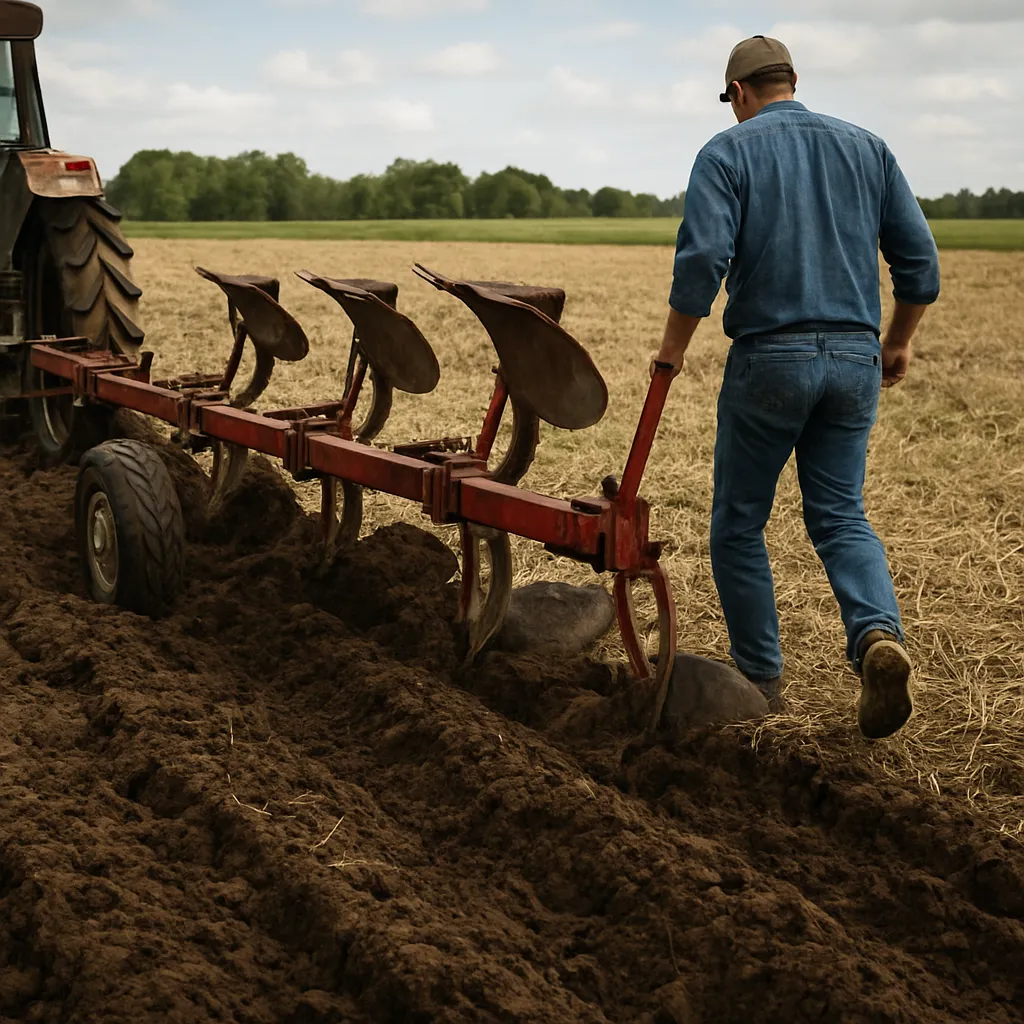
Efficient water management is crucial for maintaining healthy crops and sustainable soil health. After plowing, soils often experience rapid water loss due to increased exposure, disrupted pore networks, and diminished aggregate stability. By understanding the mechanisms of moisture depletion and applying targeted strategies, farmers can significantly enhance soil’s ability to hold water, reducing irrigation needs and improving crop resilience under variable rainfall patterns.
Understanding Post-Plow Water Dynamics
Plowing turns over the topsoil, breaks up large clods, and incorporates crop residues, but it also exposes the soil surface to direct sun, wind, and evaporative forces. This leads to accelerated water evaporation, adversely affecting seed germination and early plant growth. Key factors influencing water loss include surface crusting, compaction layers, and altered infiltration pathways. When soil particles settle into fine, densely packed layers, they form a hydrophobic barrier that repels water instead of absorbing it.
Surface Crusting and Evaporation
Immediately after plowing, the finer particles produced can clog soil pores on the surface, creating a hard crust. This crust reduces water entry, forcing incoming rain or irrigation to run off rather than percolate. Additionally, exposed soil temperatures rise, intensifying evaporation. Without protective residues or a stable soil matrix, moisture escapes rapidly.
Compaction and Restricted Airflow
Repeated passes with heavy machinery can compress subsurface layers, reducing pore space vital for both water movement and root aeration. Compacted zones impede water infiltration to deeper layers, leaving roots in drier zones closer to the surface. Improving pore continuity is essential for balanced moisture distribution and healthy root development.
Enhancing Soil Structure Through Organic Amendments
One of the most effective means of boosting soil’s retention capacity is by increasing the content of stable, aggregate-forming materials. Introducing organic residues, manures, or high-quality compost improves cohesion among soil particles, creating a network of macropores and micropores. This structure holds water more effectively and reduces bulk density.
Compost and Manure Applications
- Spread 5–10 tons per hectare of well-aged compost to bolster soil organic carbon.
- Incorporate finely screened manure at rates of 3–6 tons per hectare to balance nutrient supply and soil texture.
- Ensure thorough mixing into the top 10–15 cm of soil to foster uniform organic matter distribution.
Green Manure and Cover Crop Incorporation
Growing and plowing under leguminous crops—such as clover, vetch, or field peas—can deposit nitrogen-rich biomass directly into the soil. This not only improves fertility but also enhances water holding capacity through increased microorganisms activity and aggregate formation. For non-legumes, cereal rye and sorghum-sudangrass hybrids add bulk residues that break down slowly, offering longer-lasting moisture improvements.
Utilizing Cover Crops and Surface Mulching
Maintaining living or dead plant cover on the soil surface is pivotal for reducing evaporation and protecting against raindrop impact. Cover crops and mulch act as a shield, moderating soil temperature, stabilizing aggregates, and fostering beneficial soil life.
Cover Crop Benefits
- Cover crops such as rye, radish, and buckwheat protect soil between cash crops, reducing erosion and preserving moisture.
- Root systems create continuous channels that enhance infiltration and reduce bulk density.
- Aboveground biomass intercepts rainfall, disperses impact energy, and slows surface runoff.
Mulching Strategies
Organic mulches—straw, wood chips, or shredded bark—applied at thicknesses of 5–10 cm can suppress evaporation by up to 70%. This protective layer also buffers against soil temperature fluctuations, ensuring stable conditions for microbial processes and root growth. For cost-effective solutions, combine crop residues with readily available local by-products, such as sugarcane bagasse or vineyard prunings.
Advanced Techniques to Boost Moisture Retention
Beyond traditional amendments and surface covers, cutting-edge options can further elevate soil performance. These methods target enhanced water adsorption, improved soil biota dynamics, and deeper root proliferation.
Biochar Incorporation
Produced from pyrolyzed biomass, biochar is a carbon-rich, porous material that can hold water and nutrients within its structure. Applying 2–10 tons per hectare of biochar alongside compost magnifies soil’s retention capacity and promotes long-term carbon sequestration.
Mycorrhizal Inoculation
Mycorrhizal fungi form symbiotic relationships with plant roots, extending hyphal networks into the soil. These filaments tap into micropores inaccessible to roots, scavenging moisture and facilitating nutrient exchange. Treating seeds or root zones with a commercial mycorrhizal inoculant enhances drought resistance and optimizes water uptake efficiency.
Liquid Soil Conditioners and Biostimulants
Foliar or soil applications of natural polymers—such as cellulose derivatives or seaweed extracts—can improve soil aggregation and water-nutrient retention. Regular use of compost teas, enriched with diverse microbial populations, accelerates organic matter breakdown and sustains high biological activity, reinforcing soil’s moisture-holding matrix.
Monitoring Soil Moisture and Adaptive Management
Implementing moisture retention strategies is only part of the equation; ongoing assessment ensures timely adjustments and prevents resource wastage. Combining traditional tests with modern sensors offers a comprehensive understanding of soil water dynamics.
Field Capacity and Wilting Point Tests
- Use a soil auger to collect samples at different depths and determine volumetric water content under field capacity and permanent wilting point conditions.
- Compare results with ideal crop-specific thresholds to plan irrigation schedules effectively.
Soil Moisture Sensors and Remote Monitoring
Capacitance or time-domain reflectometry (TDR) probes deliver continuous readings of volumetric moisture. Installing these sensors at multiple depths (10, 30, and 60 cm) helps map water distribution profiles. Integrating probes with wireless telemetry and smartphone apps allows real-time tracking and data-driven irrigation decisions.
Visual and Tactile Techniques
Regularly monitoring soil color, stickiness, and the “ribbon test” reveals moisture status without equipment. Ideal soils feel slightly tacky and can form a short ribbon when pinched but break quickly. Training field crews to recognize these cues ensures rapid response to changing conditions.
By combining sound plowing techniques with strategic organic amendments, protective surface covers, advanced soil conditioners, and rigorous monitoring, farmers can dramatically improve post-plow moisture retention. These approaches not only conserve water but also strengthen soil resilience, boost crop performance, and promote long-term agricultural sustainability.