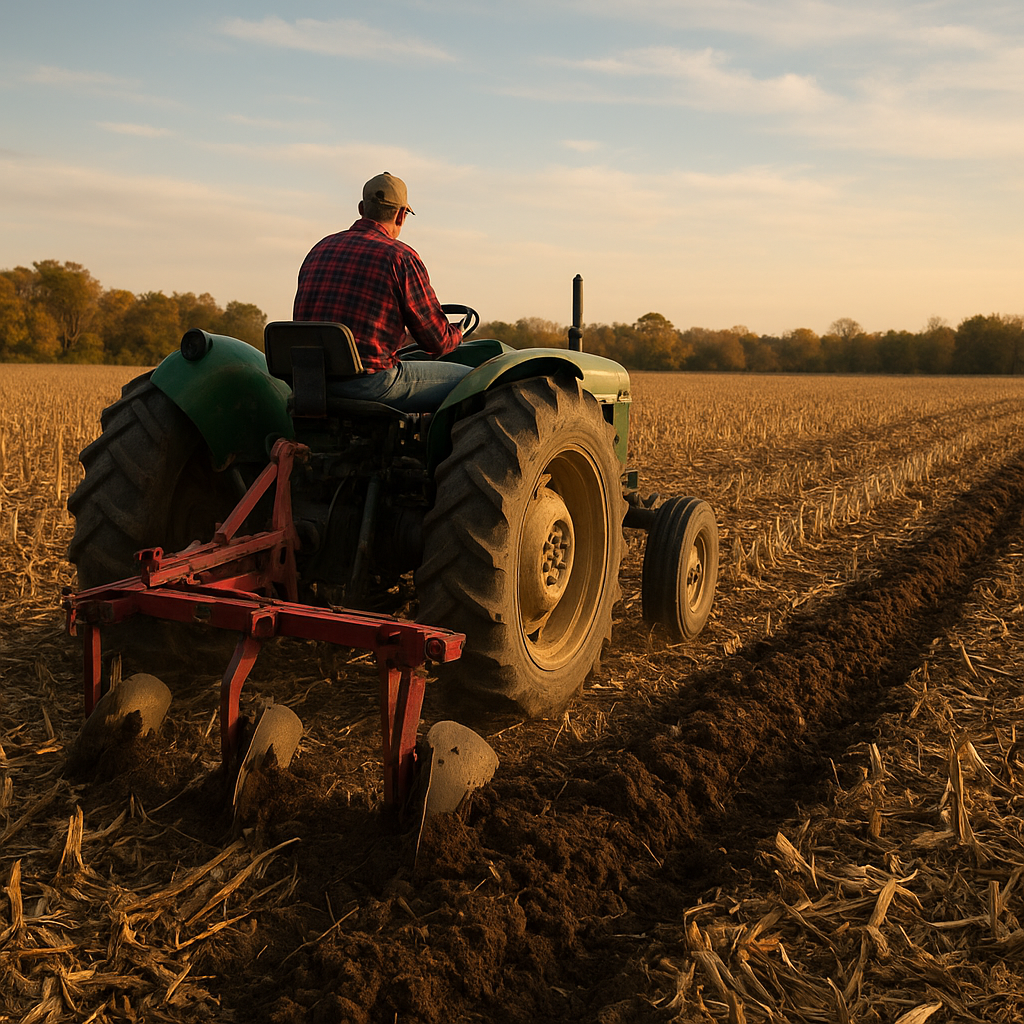
After the harvest season, cornfields can present unique challenges before winter sets in. Conducting a proper plowing operation not only improves the structure of the soil but also sets the stage for the next planting cycle. This guide provides practical plowing tips, from selecting the right equipment to managing residue and maintaining moisture levels, ensuring an efficient and effective post-harvest process.
Effective plowing is crucial for preserving soil fertility and reducing erosion. By the end of this article, you will understand how to adjust plow settings, handle heavy corn stalks, and carry out regular maintenance on your tillage tools. Employing these strategies will help you boost future yield and maintain healthy ground cover.
Preparing Your Equipment and Field Conditions
Before cranking the engine, inspect your machines and ensure the field is ready for plowing. A well-organized preparation can save hours in the long run. Evaluate current soil moisture levels; overly wet fields can clog the plow, while extremely dry surfaces lead to hard clods and increased compaction. Track recent weather trends to choose the ideal window—ideally when soil holds its shape but breaks apart easily under pressure.
Essential Tools and Machinery
- Tractors with appropriate horsepower ratings
- Moldboard or chisel plows suited to heavy residue
- Disk harrows for initial stalk chopping
- Moisture meters and depth gauges
- Protective gear, including gloves and safety glasses
Regular inspections of hydraulic lines, hitch points, and blade edges will prevent costly downtime. Confirm that your plow’s shear bolts and trip mechanisms are in good order; these safety features protect the frame when encountering buried obstacles. Finally, map any known rocky patches or tile lines to avoid damage during deep tillage.
Optimizing Plow Settings for Corn Residue
Adjusting depth, angle, and speed is critical. Aim for a depth between 6 and 8 inches to break up stalks without damaging subsoil layers. If the stalks are especially dense, consider a two-pass strategy: a shallow initial cut to chop residue and a deeper follow-up for thorough inversion. This method reduces wear on plow beams and prevents clumping that can hinder seedbed preparation.
- Depth: 6–8 inches for primary tillage
- Angle: 45-degree moldboard tilt for optimal turnover
- Speed: 4–6 mph to ensure uniform furrow formation
- Tire pressure: Balance traction and minimize soil compaction
- Trip settings: Engage on the go to protect against rocks
Maintaining consistent ground speed allows the moldboard to slice cleanly through crowns and husks, reducing remnants on the surface. Periodically inspect furrow walls and bottoms for signs of uneven cutting, then adjust skid shoes or wing shims to level the implement. Proper calibration ensures you achieve full stalk burial, which accelerates decomposition and nutrient cycling.
Maintaining Soil Health and Minimizing Erosion
After plowing, the exposed ground can become vulnerable to wind and water forces. Implementing cover crops such as rye, clover or vetch within two weeks helps lock in nutrients and fosters microbial activity. These green manures protect the tilled surface from harsh winter elements and build organic matter content when they decompose.
- Broadcast or drill cover seeds immediately post-plow
- Apply a light harrow to ensure seed-to-soil contact
- Test pH and apply lime if readings fall below 6.0
- Integrate composted manure or crop-specific fertilizers
- Monitor for early signs of runoff and adjust field drainage
Conserving moisture is essential; avoid overworking the soil after initial plow passes. Too many secondary tillage operations can accelerate moisture loss and break down soil aggregates. In regions prone to heavy rainfall, contour plowing and grassed waterways guide excess water away without gouging the field, preserving topsoil and nutrient levels.
Post-Plowing Practices and Equipment Care
Once the plow work is complete, walk the field to verify uniform furrows and consistent residue cover. Address any low spots that may collect excess water, potentially leading to ice heaving or erosion over winter. Next, turn your attention to machinery care: thoroughly clean implements to remove caked-on soil and debris that might promote rust.
- Pressure-wash moldboards and shins, then apply a thin oil film
- Inspect fasteners, replace any bent or cracked bolts
- Lubricate all pivot points and grease fittings
- Check tire treads and inflate to manufacturer specs
- Log maintenance tasks and schedule repairs early
Storing your plow in a sheltered area reduces exposure to moisture and UV degradation. Before putting equipment into winter sleep, drain or treat hydraulic fluids per manufacturer recommendations, and ensure hoses are free of kinks or leaks. A well-maintained plow will be ready to perform when spring arrives, ensuring timely fieldwork and optimal crop results.