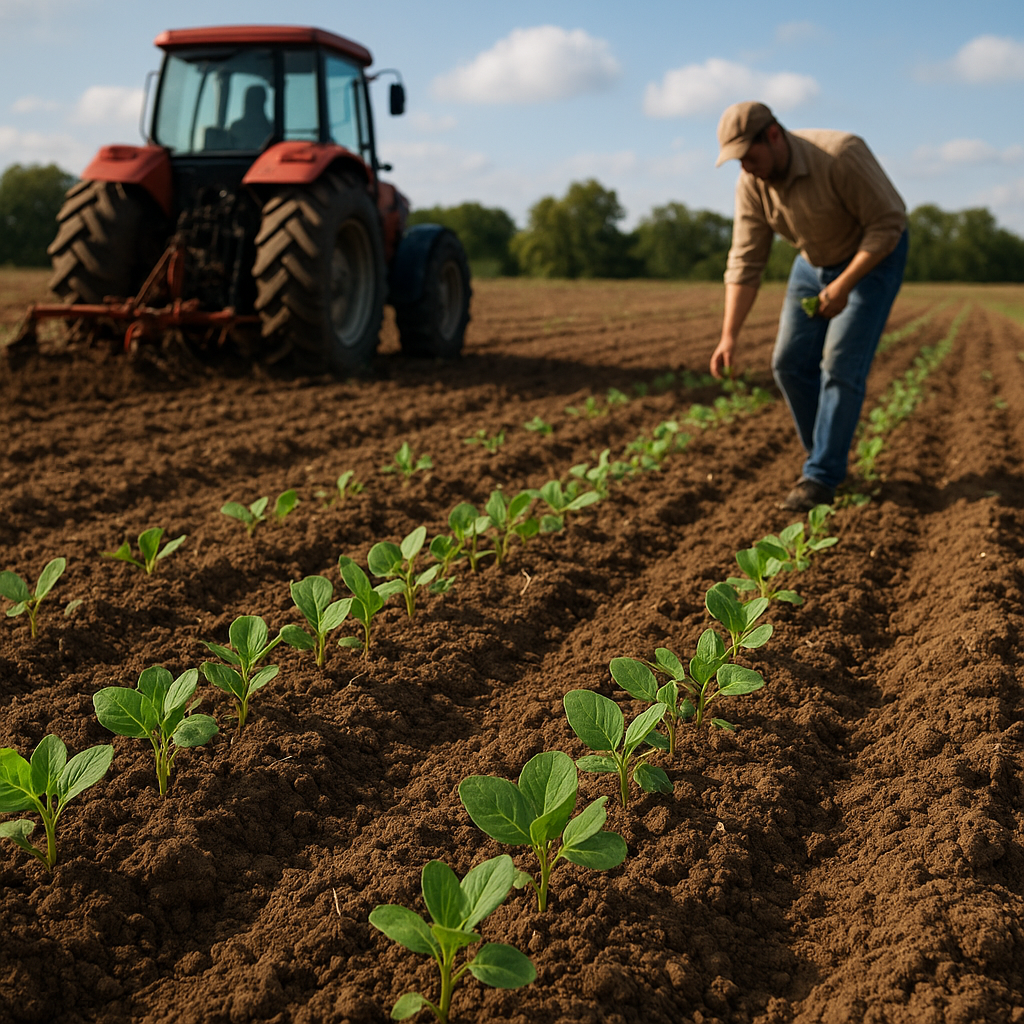
After intensive plowing, the decision to introduce cover crops can transform soil health, boost nutrient cycling, and improve overall field resilience. This article explores practical advice for leveraging cover crops effectively, integrating essential plowing tips and agronomic strategies to maximize your land’s productivity.
Benefits of Cover Crops After Plowing
Deploying cover crops immediately following plowing offers multiple advantages. Farmers can harness these benefits to repair soil structure, prevent erosion, and build organic matter. Key gains include:
- Soil Protection: Loose, newly-turned soil is highly vulnerable to wind and water erosion. Cover crops form a protective mulch, reducing surface runoff and preserving topsoil.
- Weed Suppression: Fast-growing cover species such as cereal rye or buckwheat compete with weeds for light, moisture, and nutrients, lowering the reliance on herbicides.
- Nitrogen Fixation: Leguminous cover crops (e.g., clover, vetch) capture atmospheric nitrogen, enriching the soil for subsequent cash crops.
- Organic Matter Addition: As roots decay, they feed soil microbes and improve aggregate stability. This leads to enhanced water infiltration and reduced compaction.
- Pest and Disease Management: Certain cover crops can interrupt pest life cycles and reduce pathogen loads through biofumigation effects.
Improving Soil Structure
Plowing can temporarily break up compacted layers, but without follow-up cover cropping, soil may recompact quickly under rainfall and machinery traffic. Deep-rooted covers like radish create macropores that encourage air exchange and root penetration of subsequent crops.
Enhancing Microbial Activity
Freshly plowed fields often show reduced microbial biomass. Cover crops deliver root exudates that serve as energy for beneficial bacteria and fungi, fostering a vibrant soil food web that supports nutrient mineralization.
Selecting the Right Cover Crop Mixture
Not all cover crops perform equally after plowing. The choice depends on your soil type, climate, and cropping goals. Consider these criteria when designing a mix:
- Growth Rate: For rapid soil protection, select species with quick germination and biomass accumulation (e.g., cereal rye, oats).
- Root Architecture: Combine shallow-rooted grasses with deep-rooted brassicas to address different soil layers.
- Seasonal Adaptation: Winter-hardy covers endure frost and continue growth in cool climates, while summer covers fill warm-season windows.
- Nutrient Needs: Balance legume and non-legume proportions to match your soil’s nitrogen requirements and avoid excessive biomass carbon to nitrogen ratios.
Region-Specific Recommendations
In colder zones, a blend of winter rye and hairy vetch provides both erosion control and nitrogen fixation. In warmer regions, consider sunn hemp or cowpea for fast summer growth and strong nitrogen contributions.
Cover Crop Seeding Rates and Timing
- Seeding rates: Adjust according to seed size and expected germination; for instance, 60–90 lb/acre for rye, 20–25 lb/acre for oats.
- Seeding window: Aim to drill or broadcast within 7–10 days of plowing to reduce weed establishment and ensure uniform coverage.
- Planting methods: No-till drills can place seed at a consistent depth, while aerial seeding is suitable for large-scale operations.
Best Practices for Planting and Management
Effective establishment and management of cover crops hinge on following precise procedures. These steps ensure maximum biomass production, nutrient capture, and field readiness for your next cash crop.
Pre-Planting Soil Preparation
- After plowing, rake or cultipack to break clods and create a fine seedbed.
- Perform soil tests to measure pH and nutrient status; apply lime or fertilizers to correct deficiencies before sowing cover crops.
Seeding Techniques
- No-till drilling: Ensures proper depth and seed-to-soil contact. Ideal for reduced erosion and water retention.
- Broadcast seeding and light incorporation: Use a harrow to evenly cover seed without turning soil over again.
- Aerial seeding: Quick for large acreages but requires a smooth surface and adequate moisture to ensure germination.
Irrigation and Moisture Management
Young cover crops need consistent moisture to establish. In dry environments, supplemental irrigation or timing plantings to natural rainfall events is crucial. Avoid overwatering, which can lead to disease.
Monitoring Growth and Termination
Regular field scouting helps assess cover crop performance. For successful termination:
- Mowing or rolling: Flattens the canopy and speeds residue breakdown, creating a smoother seedbed for the next crop.
- Herbicide application: Targeted use may be necessary for robust species like cereal rye; apply at the flowering stage to maximize cover crop suppression.
- Green manure incorporation: For early nutrient release, mow and till cover residues into the soil before full maturity.
Integrating Cover Crops with Plowing Tips
Combining plowing tactics with cover crop strategies enhances field performance. Consider these synergies:
Timing Plow and Cover Sequence
- Primary tillage: Use a moldboard or chisel plow to shatter compacted layers deep in the root zone.
- Secondary tillage: Light harrow to refine the seedbed without burying residue too deeply, allowing surface cover crops to emerge easily.
Conservation Tillage Alternatives
While traditional plowing can bury weeds and residues, conservation approaches like strip-till maintain surface cover for erosion control. In such systems, interseed cover crops directly into unplowed strips.
Equipment Considerations
- Adjust plow depth: Set to 6–8 inches for general residue incorporation; deeper for severe compaction but pair with deep-rooted covers afterward.
- Use residue managers: Rolling baskets or chains help distribute residue evenly and provide a uniform seedbed for cover crop establishment.
Long-Term Soil Health Strategy
Frequent plowing can degrade organic matter over time. By rotating plow-based tillage with reduced or no-till systems and consistent cover cropping, you’ll foster sustainable, resilient soils that support robust yields.