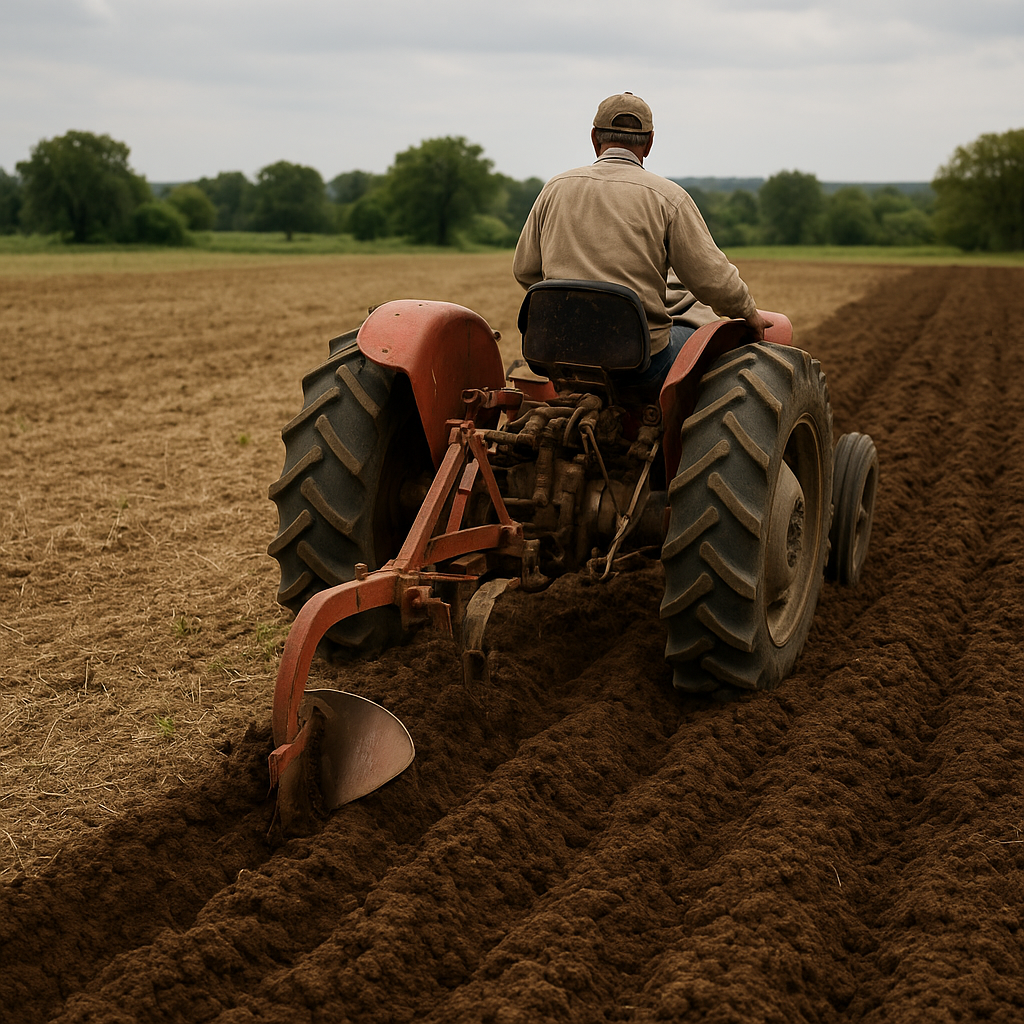
Effective use of plowing can become a powerful tool in the fight against agricultural pests and diseases. By mastering proper techniques and integrating them into a broader farm management plan, growers can create a hostile environment for harmful organisms while promoting soil health and boosting crop yields. This article dives deep into the mechanics of plowing, its timing, depth adjustments, and its synergy with practices like crop rotation and residue management.
Understanding Soil Inversion and Pest Suppression
What is Soil Inversion?
Soil inversion involves turning over the topsoil layer to bury plant remains, weed seeds, and pest eggs deep beneath the surface. This disruption of the soil profile creates a significant barrier for pests and pathogens that rely on surface residue to survive. With a well-executed inversion, the following benefits occur:
- Exposure of pests and eggs to predators and desiccating conditions.
- Reduced overwintering habitats for grubs, larvae, and fungal spores.
- Enhanced mixing of organic matter, which fosters beneficial microorganisms.
Interrupting Pest Life Cycles
Most soil-dwelling pests have a life cycle tied to specific soil horizons. By flipping soil layers at strategic times, farmers can:
- Break the biological cycle of nematodes and rodent burrows.
- Diminish populations of cutworms and wireworms hiding near the surface.
- Bury sclerotia and fungal bodies, decreasing disease incidence.
Maintaining a consistent plowing schedule helps ensure that newly emerging pests cannot establish before being exposed by the next tillage event.
Timing and Depth of Plowing
Optimal Timing
Proper timing is crucial for maximizing the pest control effectiveness of plowing. Two main windows offer the greatest impact:
- Late autumn or early winter, when many insects and weeds prepare to overwinter near the soil surface.
- Early spring, just before planting, to disrupt early-emerging pest populations and expose overwintered insects.
By coordinating plowing with the life cycles of target organisms, farmers can achieve the greatest biological disruption.
Adjusting Plow Depth
The depth at which you plow determines how many pests and residues are covered and how much fresh soil is brought to the surface. Consider these guidelines:
- Shallow plowing (10–15 cm) for light residue burial and gentle soil turnover.
- Medium-depth plowing (15–25 cm) for burying large volumes of residue and eggs.
- Deep inversion (25–35 cm or more) in soils with heavy pathogen loads, ensuring deep burial of sclerotia or nematode cysts.
Be mindful that excessive depth can lead to increased soil erosion and nutrient stratification, so match your depth to your specific pest challenges and soil type.
Integrating Plowing with Crop Rotation and Residue Management
Combining with Crop Rotation
Crop rotation remains a cornerstone of integrated pest management. Plowing enhances its benefits by:
- Preventing host-specific pests from locating their preferred plants.
- Burying residues of previous crops, which might harbor pathogens.
- Promoting diversity in soil biology, improving resilience against invaders.
An effective rotation plan might alternate cereals with legumes or brassicas, while plowing between seasons ensures that volunteer plants and residues are not a refuge for harmful organisms.
Residue and Organic Matter
Residue management often conflicts with the goal of preserving soil structure. However, strategic plowing can:
- Incorporate high-carbon residues to feed microbial communities.
- Promote rapid decomposition of stalks, reducing overwintering sites.
- Balance retention of surface residue to guard against erosion while still managing pest habitats.
Incorporating cover crops before plowing can add beneficial green manure, boosting nitrogen availability and enhancing soil tilth.
Best Practices and Potential Drawbacks
Mitigating Soil Erosion
Intensive plowing brings real risk of erosion if left unchecked. Use these techniques to preserve topsoil:
- Contour plowing along slopes to reduce runoff.
- Alternate plow directions year to year for even wear on the field.
- Maintain vegetative buffer strips at field margins.
Employing no-till strips or minimally tilled zones can also protect vulnerable areas while still delivering pest control gains elsewhere.
Reducing Compaction and Maintaining Moisture
Frequent and deep tillage can lead to a compacted layer or plow pan beneath the working depth. Prevent this by:
- Varying plowing depths to avoid repeatedly stressing the same horizon.
- Using subsoilers or chisel plows when compaction is detected.
- Monitoring soil moisture: avoid plowing in overly wet conditions to prevent smearing.
Maintaining proper soil moisture gradients ensures that plowing creates an optimal seedbed and minimizes damage to soil structure. Incorporating organic amendments and cover cropping can further alleviate compaction issues over time.
Enhancing Plowing with Complementary Strategies
Biological Control Synergy
Pairing plowing with biological control agents, such as entomopathogenic nematodes or predatory mites, can magnify pest suppression. By plowing first, you:
- Reduce pest numbers, allowing beneficial organisms to establish more effectively.
- Create a mixed soil environment where biocontrol agents can find hosts.
- Manage terrain and residue to optimize microhabitats for predators.
Monitoring and Record-Keeping
Regular field scouting and thorough records of plowing dates, depths, and pest counts enable continuous improvement. Use simple tools like degree-day models or trap counts to time plowing operations precisely. Accurate logs help you:
- Identify trends in pest emergence patterns.
- Determine which depths or timings deliver the greatest impact.
- Adjust your integrated plan to local weather and soil conditions.
Future Perspectives in Pest Management tillage
Innovations in Conservation Tillage
Modern equipment offers belt-mounted coulters, fluted discs, and bio-fertilizer applicators that can work concurrently with plowing implements. These advancements allow:
- Incorporation of biofumigants into the seedbed.
- Precision placement of organic amendments.
- Reduced fuel consumption and lower carbon footprint.
Data-Driven Decisions
Sensor technologies and GIS mapping can identify hotspot areas of pest pressure or disease incidence. By overlaying snail count maps or fungal lesion scans with soil maps, farmers can:
- Target plowing to high-risk zones instead of blanket tillage.
- Reduce labor and fuel costs associated with large-scale inversion.
- Measure improvements in soil health metrics over time.
Adopting these digital tools fosters a smarter approach that blends traditional plowing with cutting-edge precision agriculture.