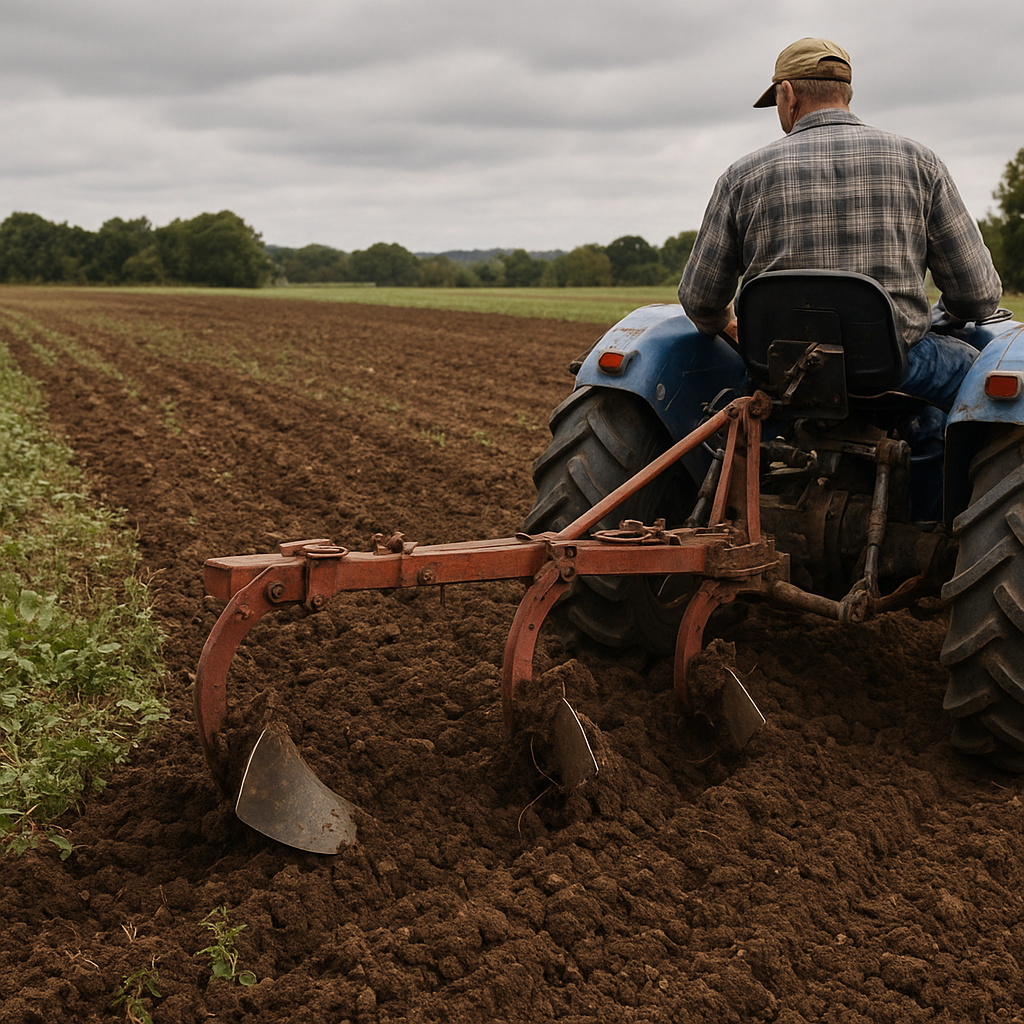
Effective weed management is a cornerstone of successful crop production and sustainable farming. By integrating proper plowing strategies, growers can dramatically reduce weed pressure and create a favorable environment for healthy root development and nutrient uptake. This article explores practical plowing tips, examines key factors such as soil structure and moisture levels, and offers insights into advanced techniques that can elevate your field performance.
Understanding the Science Behind Plowing and Weed Suppression
Plowing is more than just turning the earth; it is a precise operation that disrupts the lifecycle of weeds and exposes dormant seeds to conditions that hinder germination. When done correctly, plowing can:
- Burrow existing weed seedlings deep enough to prevent emergence.
- Expose older seeds to sunlight and air, accelerating their decay.
- Incorporate organic residues into the topsoil, enhancing nutrient cycling.
Seedbank Depletion
Each field harbors a “seedbank”—a reserve of viable weed seeds. Plowing disturbs that bank, bringing old seeds to the surface where they germinate under suboptimal conditions or perish in harsh weather. Over several years, this practice can significantly reduce weed populations.
Soil Structure Modification
Turnover of soil layers breaks up compacted zones and encourages the formation of crumbly aggregates. This improved structure promotes healthy root proliferation and increases infiltration, reducing runoff and minimizing erosion.
Optimizing Timing and Depth for Maximum Efficiency
The effectiveness of plowing hinges on precise control of when and how deep you till. Two critical parameters to monitor are depth and seasonality.
Ideal Plowing Depth
- Shallow tillage (5–10 cm) works for light weed pressure but may leave deeper seeds intact.
- Moderate tillage (15–25 cm) is optimal for most crops, striking a balance between weed control and preserving soil structure.
- Deep plowing (>30 cm) is reserved for heavy compaction or deep-rooted perennial weeds, but may risk bringing up subsoil with lower fertility.
Seasonal Considerations
Timing influences moisture availability and seed germination. Key seasonal tips include:
- Early spring plowing when the ground is workable but still cool. This encourages weed seeds to sprout prematurely, making subsequent shallow tillage more effective.
- Summer fallow plowing to dehydrate weed seeds under the sun, causing many to lose viability.
- Late autumn plowing after harvest can bury residual plant matter and expose seeds to winter frost, reducing next season’s weed load.
Essential Equipment and Techniques
Selecting the right machinery and mastering operational settings can make plowing both an art and a science. Consider the following recommendations:
Choosing the Appropriate Plow
- Moldboard plows are powerful for deep inversion but can disturb soil ecology.
- Chisel plows provide lighter tillage, maintain surface residue, and reduce fuel consumption.
- Disk plows are versatile, offering moderate inversion and residue mixing.
Calibration and Maintenance
- Ensure consistent coulter spacing to avoid uneven cutting.
- Check blade sharpness regularly—dull blades increase drag and fuel use.
- Adjust linkage settings to maintain uniform depth across the entire pass.
Integration with Other Practices
Pair plowing with complementary strategies for conservation and weed suppression:
- Cover cropping: Incorporate legumes or grasses to outcompete weeds, then terminate with a shallow pass.
- Crop rotation: Altering crop families interrupts pest and weed cycles.
- Mulching: Apply organic or synthetic mulches post-plow to further inhibit germination.
Managing Soil Health and Minimizing Impacts
While plowing is an effective tool, overreliance can degrade soil quality. Employ these measures to protect your land:
- Monitor compaction using penetrometers and avoid repeated passes in the same direction.
- Incorporate crop residues to maintain organic matter levels and nutrient content.
- Implement buffer zones and windbreaks to reduce erosion on slopes and marginal areas.
Alternatives to Conventional Plowing
For growers seeking reduced disturbance:
- No-till planters with residue managers provide targeted seed placement while leaving the soil surface intact.
- Strip-till approaches till only narrow bands for planting, preserving the majority of surface residue.
- Guided traction systems ensure minimal wheelpass compaction and even field coverage.
Advanced Tips for Sustainable Weed Control
Integrating modern tools and data-driven practices enhances your plowing program:
- Use GPS-enabled tractors to maintain straight, efficient passes and reduce overlap.
- Adopt soil moisture sensors to choose the optimal window for tillage, avoiding overly wet or dry conditions.
- Apply precision herbicide placement in areas with persistent infestations while using plowing elsewhere.
By combining traditional equipment with cutting-edge approaches, farmers can strike a balance between weed suppression and long-term field health.