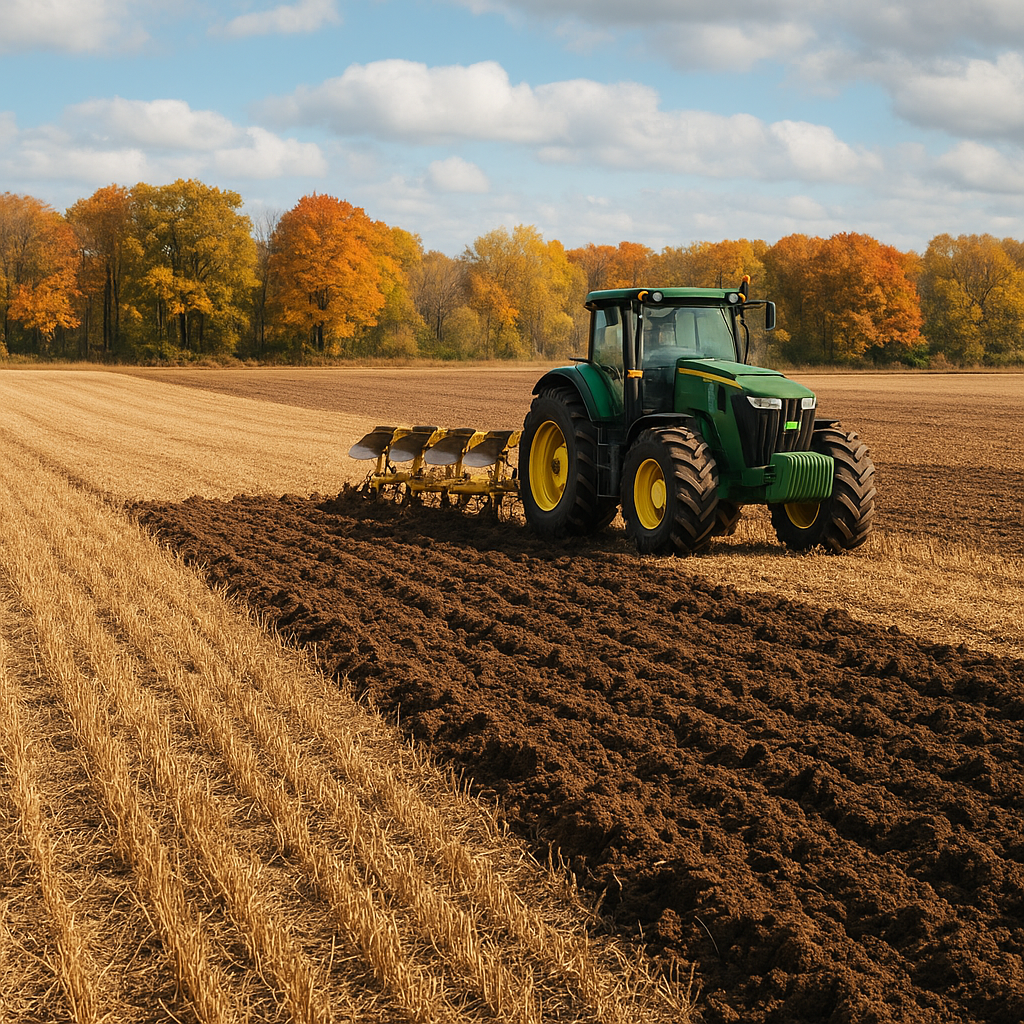
Deciding when to turn your fields can have a profound impact on crop performance, soil structure, and overall farm profitability. Many growers wrestle with the choice between fall and spring plowing, weighing factors like weather patterns, labor availability, and weed pressure. Choosing the right timing can enhance moisture retention, improve nutrient cycling, and even reduce the need for chemical weed control. This article explores why fall plowing might offer advantages that extend well beyond a simple change of season.
Improving Soil Health with Fall Plowing
One of the most compelling reasons to plow in autumn is the opportunity to influence soil health before winter sets in. By breaking up surface residues and incorporating organic matter, you create a more uniform seedbed for spring planting. Early disturbance allows crop residues to decompose gradually, promoting a surge in microbial activity that benefits subsequent crops.
Enhanced Decomposition and Organic Matter Integration
After harvest, plant residues are abundant. When you plow in the fall, residue incorporation is more efficient, allowing decomposition to proceed under the relatively stable temperatures of early autumn. Microorganisms flourish, breaking down stalks and leaves and converting them into humus. This process:
- Increases nutrient cycling and availability
- Boosts soil structure by forming aggregates
- Reduces surface crusting and runoff
Optimizing Moisture Management
Fall plowing opens up the soil profile, improving water infiltration and holding capacity. With ample time before frost, the soil can settle and absorb autumn rains, preventing waterlogging and erosion. Enhanced moisture retention enables roots to access water reserves more reliably in spring, reducing irrigational demands during critical early growth stages.
Managing Weeds, Pests, and Disease Pressure
One of the hidden benefits of plowing in fall is its disruptive effect on pests, diseases, and overwintering weeds. Incorporating plant material into the soil can interrupt the life cycles of many troublesome species that would otherwise thrive under residues left on the surface.
Effective Weed Suppression
Surface germination of winter annual weeds often begins shortly after harvest. By plowing these seedlings under, you achieve weed suppression before spring arrives. This mechanical control reduces reliance on herbicides and lowers costs associated with multiple spring passes.
- Buries topsoil weed seeds too deep to germinate
- Limits volunteer cereal growth that competes for nutrients
- Reduces the seedbank of perennials such as dandelions
Disrupting Pest and Disease Habitats
Many insect pests overwinter as larvae in surface residues. By burying these residues, fall plowing exposes them to predators and environmental stressors, reducing spring pest pressure. Similarly, certain fungal pathogens survive in crop debris. Integrating residues into the soil encourages decomposition and exposes pathogens to microbial antagonists.
Practical Considerations and Best Practices for Fall Plowing
While the advantages of autumn tillage are clear, successful fall plowing requires careful planning. Factors such as soil type, climate, equipment choice, and field topography all influence the timing and method you select.
Timing and Weather Conditions
Ideal fall plowing windows occur after harvest and before the soil begins to freeze solid. Aim for at least two to three weeks of workable conditions to allow the soil to settle. Avoid plowing when the ground is overly wet to prevent compaction and structural damage. In regions with early frosts, strive to finish before the first hard freeze locks up moisture.
Equipment Selection and Setup
Choosing the right implement can optimize results and minimize fuel consumption. Traditional moldboard plows effectively turn under residues, while chisel plows and disk plows offer shallower disturbance for those concerned about erosion. Key considerations include:
- Adjusting plow depth to target the top 6–8 inches of soil
- Fine-tuning angle and pitch for clean residue burial
- Balancing tractor power needs to ensure efficient tillage
Erosion Control and Soil Protection
Plowing large areas in a single pass can expose soil to wind and water erosion during winter. To mitigate these risks, consider implementing:
- Strip-till or conservation plowing that leaves protective residue strips
- Contour plowing on sloped fields to slow runoff
- Cover cropping post-plow to anchor soil and scavenge residual nutrients
A timely cover crop not only protects against erosion but also enhances winter root development and adds biomass for spring incorporation.
Navigating Challenges and Leveraging Frost Action
Fall plowing introduces unique challenges. Soil left bare can be vulnerable to freeze-thaw cycles that create clods or surface crusts. However, these same cycles can be harnessed to improve soil tilth through frost action. As water in the soil freezes and expands, it fractures compacted layers, effectively loosening the subsoil without additional passes.
Monitoring Soil Condition Post-Plow
After plowing, inspect your fields for clod size and uniformity. If large clods dominate, consider a light secondary tillage when conditions allow. A roller or harrow can break up clods while preserving structural benefits gained over winter.
Integrating with Spring Operations
By addressing primary tillage in the fall, you lighten the spring workload. With residues largely decomposed and soil structure improved, you may require fewer spring passes. This saves fuel, labor, and time, letting you capitalize on favorable planting windows. Always recalibrate your spring equipment to account for changed soil conditions—shallower depths and finer tillage may suffice for seedbed preparation.
Making the Fall Plow Decision
Adopting a fall plowing strategy demands thoughtful management but yields significant returns in soil health, weed control, and operational efficiency. Key takeaways for producers include:
- Plan plowing schedules around harvest dates and expected freezes
- Match implements to soil types and residue loads
- Incorporate cover crops to protect and enrich soil
- Monitor erosion risks and adjust tillage intensity accordingly
Implementing these practices can transform a routine tillage operation into a strategic tool for building resilient, productive fields.