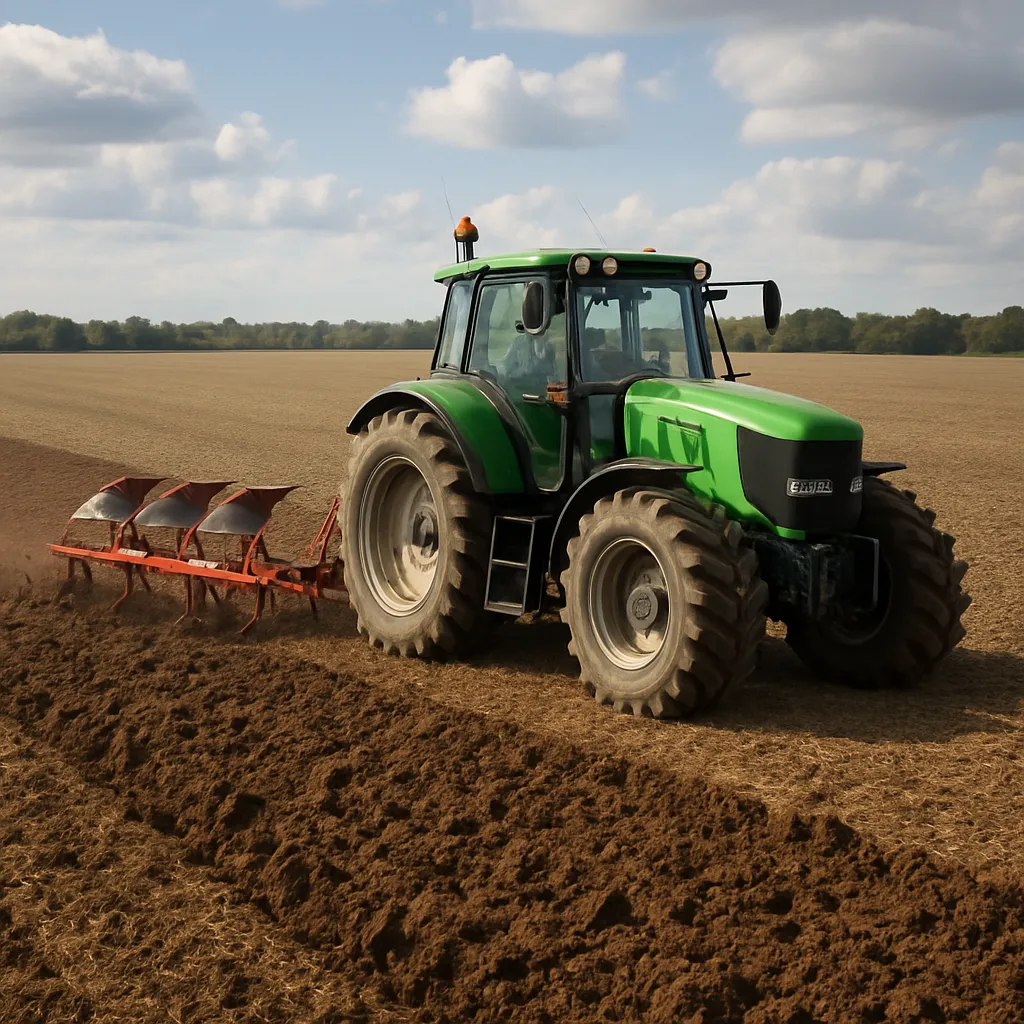
Finding the right balance between speed and soil engagement is crucial for maximizing plowing performance. An ideal pace not only ensures consistent furrow formation but also enhances overall field health. This article delves into multiple factors influencing tractor speed during plowing, offering practical advice for operators seeking greater efficiency and crop yield.
Understanding Soil Conditions and Impact on Speed
Before adjusting your tractor’s pace, evaluate the field’s characteristics. Successful plowing starts with recognizing soil type, compaction level, and moisture content. Each of these elements directly affects draft requirements and operating speed.
Key Soil Factors:
- Clay vs. Sandy Soil – Clay demands more pulling power, slowing down forward motion, while sandy soils allow higher speeds but risk losing structure.
- Moisture Levels – Too wet soil causes smearing; too dry causes hard clods. Aim for a moisture range that facilitates clean slicing and inversion.
- Organic Matter – Fields with heavy residue near the surface require a slightly reduced pace to prevent clogging and ensure complete turnover of stubble.
Selecting the Appropriate Tractor Speed
Choosing the right travel velocity depends on tractor horsepower, plow design, and field conditions. While manufacturers often recommend a baseline speed, real-world adjustments are necessary for peak performance.
Recommended Speed Ranges:
- Light to Medium Soils: 5–7 km/h. Generally suitable for three- to five-bottom plows.
- Heavy or Wet Soils: 3–5 km/h. Lower speed reduces slippage and prevents the plow from stalling under the increased draft.
- Residue-Rich Fields: 4–6 km/h. Helps maintain furrow quality and avoids uneven cutting when encountering root masses.
Adjusting for Plow Configuration and Depth
Plow settings significantly alter the tractor’s workload. Altering furrow width, number of bottoms, and mounting angle all require speed recalibration to maintain depth control.
Adjustable Parameters:
- Furrow Width – Wider widths demand more pulling force. If increasing from 30 cm to 40 cm per bottom, consider a 10–15% speed reduction.
- Number of Bottoms – Each additional bottom ups the coefficient of resistance. A five-bottom plow may run 10% slower than a three-bottom under similar conditions.
- Angle of Attack – Aggressive angles can improve inversion but raise resistance. Fine-tune the angle to balance soil turnover and speed.
Balancing Fuel Efficiency and Field Coverage
Tractor fuel consumption is closely tied to operating speed and engine load. Running too slowly extends field time; running too fast spikes fuel use and accelerates component wear.
Fuel Optimization Tips:
- Maintain steady torque by operating within the engine’s optimal RPM band.
- Engage the highest gear possible without causing wheel slip to lower fuel per hectare.
- Monitor real-time fuel flow; minor speed tweaks can yield a 5–10% reduction in consumption.
Maintenance and Equipment Longevity
Regular checks and timely upkeep prolong tractor and plow life, ensuring the reliability of speed settings over multiple seasons.
Essential Maintenance Tasks:
- Inspect Plow Points – Dull or bent points increase resistance. Replace them to preserve the traction curve.
- Check Hydraulics – Consistent lifting force and angle adjustment depend on hydraulic health. Leaks or pressure loss can force unplanned speed drops.
- Grease Moving Parts – Proper lubrication reduces friction and helps maintain a stable operating speed under varying loads.
Operator Technique and Safety
Efficient plowing is as much about human skill as it is about machinery. A well-trained operator optimizes speed without risking damage or accidents.
Best Practices:
- Gradual Speed Changes – Avoid abrupt throttle shifts that can cause tractor bounce and poor furrow walls.
- Field Layout Planning – Design straight, long passes to minimize frequent turns, which cost time and increase fuel use.
- Constant Monitoring – Use onboard displays or third-party telemetry to track speed, load, and slip percent.
Advanced Tips for Sustainable Plowing
Modern agriculture demands strategies that protect soil integrity while maintaining productivity. Sustainable plowing integrates speed control with conservation practices.
Sustainability Strategies:
- Reduced Tillage Integration – Speed optimization helps manage soil structure without full inversion, complementing minimum-till approaches.
- Cover Crop Residue Management – Adjust speed to distribute residue evenly, promoting moisture retention and reducing erosion.
- Data-Driven Adjustments – Implement GPS-based mapping to adapt speed in real time, balancing load and maintaining soil health for long-term sustainability.