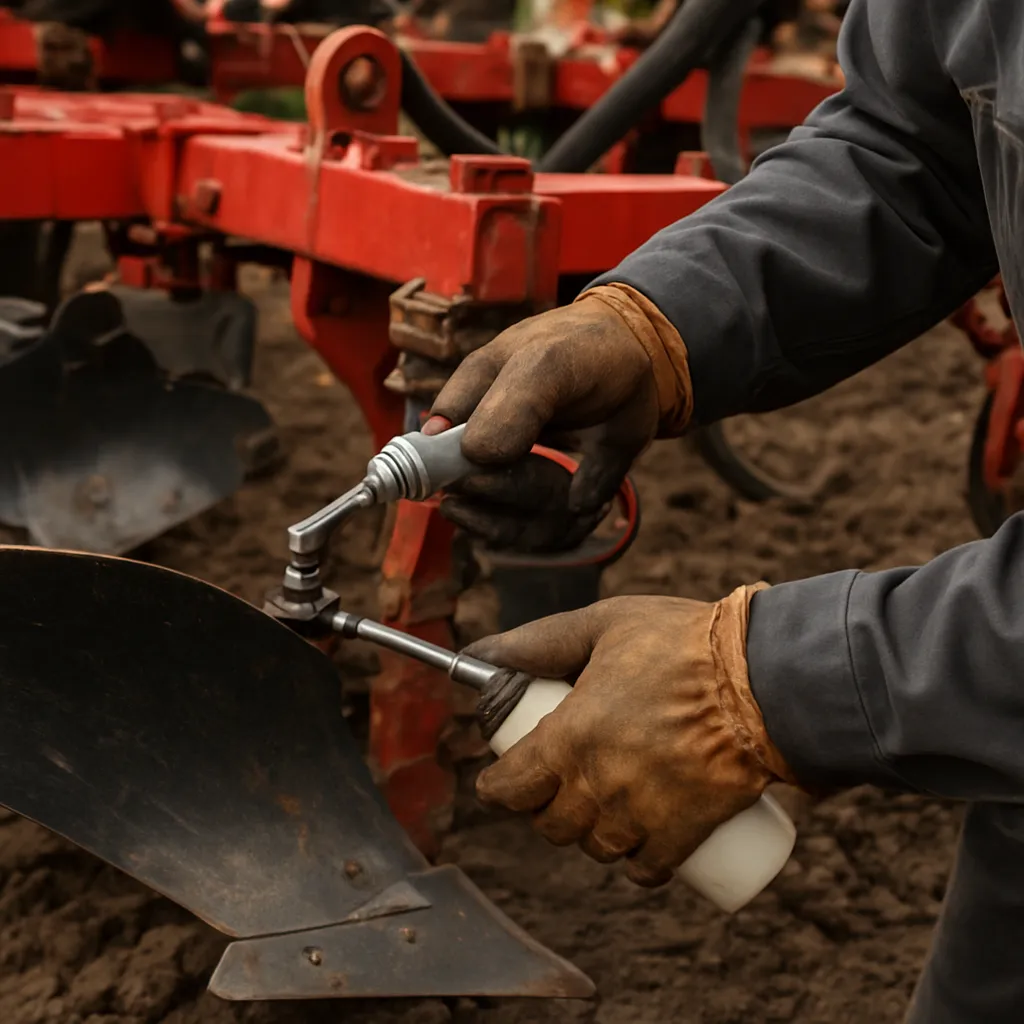
Proper care of plowing equipment goes beyond simply cleaning off dirt and debris after each use. Establishing a well-designed lubrication schedule ensures that every moving part operates smoothly, reducing costly breakdowns and maximizing overall performance. By understanding the mechanical demands of a plow and choosing the right lubricants at appropriate intervals, farmers and contractors can protect their investment while improving field efficiency.
Importance of Regular Lubrication
Heavy-duty plows face constant friction as they penetrate soil, rocks, and roots. Without sufficient lubrication, metal surfaces wear prematurely, leading to increased downtime and expensive repairs. A robust lubrication routine not only reduces friction but also helps seal out moisture and contaminants that cause rust and corrosion. For optimal results, it’s critical to focus on:
- Key components such as pivot pins, bearings, hydraulic cylinders, and leveling arms.
- The right type of grease or oil suitable for varying temperatures and load conditions.
- Proper application techniques to ensure even coverage and penetration into tight clearances.
Neglecting these steps can shorten the lifespan of your equipment, leading to irregular throw patterns, bent moldboards, and ultimately, reduced crop yields. Conversely, a reliable lubrication plan supports smoother operation, consistent plow depth control, and lower fuel consumption.
Creating an Effective Lubrication Schedule
Assess Equipment Components
Start by examining your plow’s parts that experience the highest mechanical stress. These include:
- Hitch joints and clevises
- Wing pivot points
- Gauge wheel bearings
- Moldboard slides and share bolts
- Hydraulic ram ends
Document the manufacturer’s recommended service intervals for each item. If the guideline suggests greasing every 50 hours of operation, adjust the interval based on your soil conditions. For example, sandy or rocky fields may require more frequent attention than soft, loamy soils.
Selecting Lubricants
Choosing the correct lubricant can dramatically impact your plow’s functionality. Consider these factors:
- Operating temperature range: grease with a wide temperature rating works best in cold climates.
- Load capacity: High-pressure formulations reduce metal-to-metal contact under heavy loads.
- Water resistance: In wet or muddy fields, a water-resistant lubricant prevents washout.
- Multipurpose vs. specialized: While multipurpose grease can handle most joints, specialized products protect hydraulic cylinder seals and bearings more effectively.
Always follow the manufacturer’s specifications when selecting oil viscosity grades for hydraulic systems or gearboxes. Using the wrong viscosity can lead to inadequate lubrication films, resulting in increased wear and heat generation.
Timing and Frequency
Your lubrication schedule should align with seasonal work patterns and maintenance cycles:
- Pre-season check: Apply fresh grease and change hydraulic oils before the first plowing job.
- Mid-season top-up: Re-lubricate high-wear areas every 50-75 operating hours or monthly, whichever comes first.
- Post-season servicing: Thoroughly clean, lubricate, and store equipment to prevent rust over winter.
Consider using color-coded service tags or digital maintenance logs to track every greasing event. This approach helps you spot neglected areas and ensures all parts receive timely care.
Best Practices for Application
Proper lubrication involves more than squirting grease into fittings. Follow these guidelines to maximize coverage:
- Clean fittings and surfaces before applying lubricant to avoid trapping dirt.
- Use a grease gun with a pressure gauge to monitor injection force; excessive force can damage seals.
- Apply lubricant until you see old grease purging from seals and joints, indicating a full cavity.
- Wipe away excess grease to prevent dirt accumulation and ensure easy inspection later.
- Rotate the equipment slowly after greasing to allow lubricant to spread evenly.
For hydraulic components, monitor oil clarity and level regularly. Change filters as recommended and top off with manufacturer-approved hydraulic fluid. Employing a preventive maintenance mindset ensures that leaks are spotted early and seals are replaced before they fail.
Using Technology to Your Advantage
Modern farm management software can integrate maintenance reminders with field operation logs. By syncing GPS working hours with lubrication intervals, you guarantee that no component is overlooked. Some advanced tractors and implements even have centralized automated greasing systems that feed lubricant to multiple points while the machine runs, reducing manual effort and boosting reliability.
Optimizing Field Performance Through Maintenance
Adhering to a structured lubrication plan yields tangible benefits in the field:
- Enhanced fuel savings due to lower mechanical resistance.
- Smoother plowing action, ensuring uniform furrow depth.
- Reduced risk of unexpected breakdowns during critical planting seasons.
- Extended warranty compliance by following manufacturer-recommended schedules.
Integrating visual inspections into your daily routine helps catch worn parts early. Look for signs of metal fatigue, unusual noises, or elevated operating temperatures. Immediate attention to these indicators can prevent small issues from escalating into major repairs.
Training Operators on Proper Techniques
Even the best lubrication program can fail if operators aren’t trained correctly. Organize brief workshops or toolbox talks on:
- Identifying grease fittings and drain plugs.
- Operating grease guns and oil pumps safely.
- Understanding lubricant labels and safety data sheets.
- Recording maintenance data for accountability.
Empowering your team with knowledge about maintenance protocols builds a culture of care and pride in equipment condition. When everyone understands the impact of lubrication on operational efficiency, adherence naturally improves, safeguarding your machinery’s future performance.