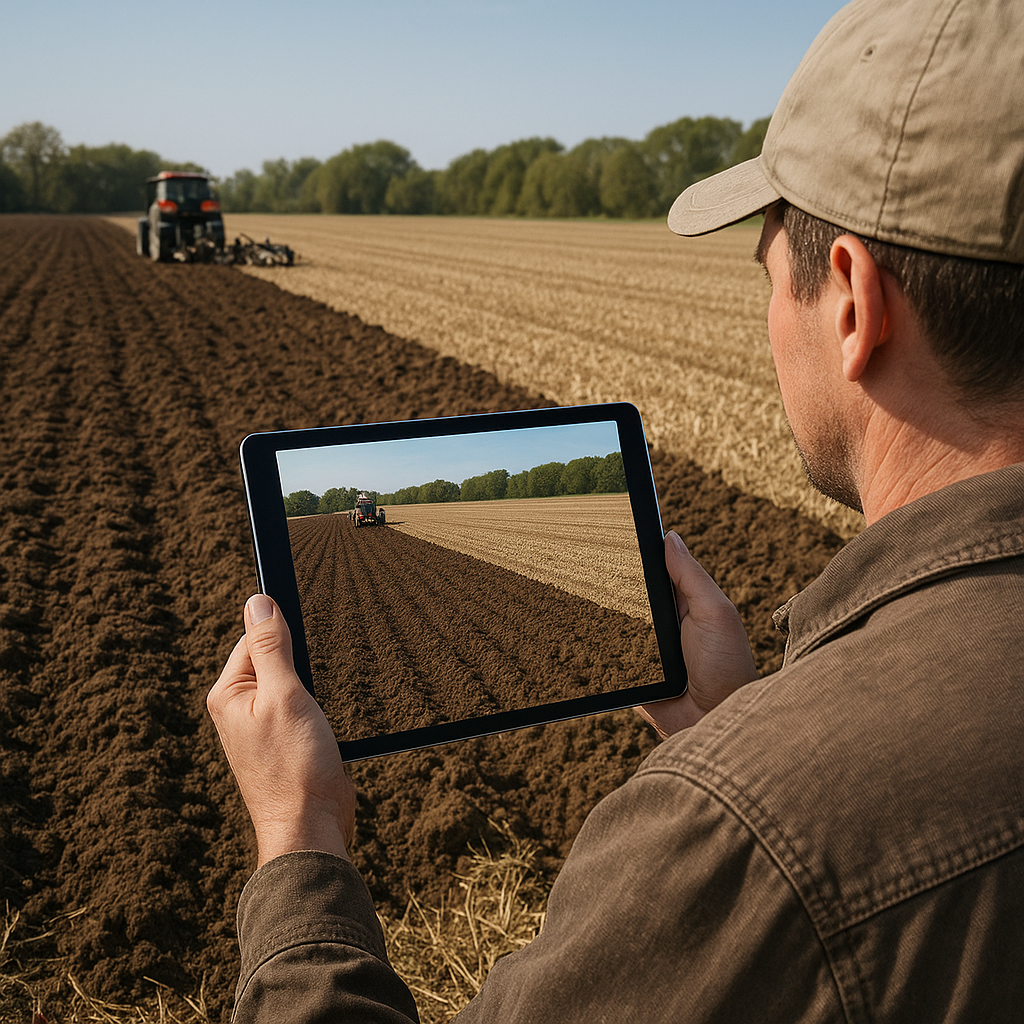
Evaluating plowing results after each season is essential for maintaining soil health and maximizing crop yields. By systematically reviewing your operations, you can pinpoint inefficiencies and refine your strategy for the next cycle. The process combines hands-on inspection, data analysis, and targeted adjustments to equipment and technique.
Equipment Preparation and Calibration
First, ensure all plowing machinery is in top condition. Worn or misaligned components can compromise furrow quality and increase fuel consumption. A thorough equipment check before spring helps you start the season with optimized performance.
Mechanical Inspection
- Examine coulters, shovels, and moldboards for cracks, bends, or excessive wear.
- Grease pivot points and inspect hydraulic hoses for leaks.
- Verify tire pressure and condition on tractors and trailers.
Calibrating Depth and Angle
Proper depth settings ensure uniform seedbed preparation. Adjust the plow’s skid shoes or depth wheels to match your field’s typical soil type. A few test passes will reveal if you need to tweak the depth consistency across all furrows. Use a simple measuring stick or a depth gauge for accuracy.
- Set a consistent reference height on both sides of the plow.
- Check angle adjustments to prevent side draft stress on the tractor.
- Record initial settings and revisit after the first few acres.
Assessing Soil Conditions and Results
After plowing, inspect the field to gauge how well you achieved desired outcomes. Soil structure and surface quality directly affect planting ease and crop emergence. Documenting these observations can guide future changes.
Visual Inspection
- Look for uniform furrows: gaps or overlapping indicate issues.
- Observe residue distribution: too much unburied straw can hamper seeding.
- Check for compaction zones where the tractor’s weight may have caused soil hardpan.
Soil Sampling and Testing
Collect samples from multiple locations to analyze moisture content, nutrient status, and bulk density. Laboratory data provide insights into whether plowing depth met the target profile and how effectively organic matter was integrated:
- Test for pH and nutrient levels, noting shifts since the last season.
- Measure residual nitrogen to adjust fertilizer plans.
- Assess organic carbon distribution across soil horizons.
Analyzing Performance Data and Maintenance Planning
Gather data throughout the season: tractor hours, fuel usage, acreage covered, and downtime incidents. Reviewing these metrics helps identify bottlenecks and opportunities for cost savings.
Recording Key Metrics
- Track fuel consumption per acre to measure efficiency gains after equipment upgrades.
- Log hours spent on equipment maintenance versus active plowing.
- Map field zones with GPS to compare productivity across different soil types.
Drawing Actionable Insights
Use software or spreadsheets to visualize trends. For example, if one field requires significantly more passes to achieve adequate residue burial, consider mechanical or methodological adjustments. Prioritize repairs for components with the highest failure rates to reduce unscheduled downtime.
- Plan spring preventive maintenance based on last season’s breakdowns.
- Budget for replacement parts highlighted by wear patterns.
- Schedule operator training on new features or refined techniques.
Implementing Continuous Improvement Strategies
Evaluation is only beneficial when followed by concrete actions. Incorporate lessons learned into an annual improvement plan that targets both equipment and methodology.
Refining Tillage Techniques
Experiment with variable depth or controlled traffic to minimize compaction and conserve moisture. Adjust plow speed within the optimal range recommended by manufacturers to enhance cut quality and reduce strain on the tractor driveline.
- Test slower speeds for heavy, wet soils to improve slice uniformity.
- Increase speed slightly in light, sandy soils to reduce clod size.
- Compare results side by side to find the sweet spot for each field type.
Integrating Technology
Leverage precision agriculture tools like yield monitors, soil moisture sensors, and drone imaging. These systems provide a real-time view of field conditions, enabling rapid adjustments:
- Use GPS guidance to maintain straight, even runs and prevent overlap.
- Analyze NDVI maps post-plow to detect variability in residue incorporation.
- Automate depth control with hydraulic actuators for consistent results.
By combining thorough post-season reviews with targeted improvements, you can enhance your plowing outcomes year after year. A disciplined approach to maintenance, data analysis, and field management will pay dividends in productivity and soil vitality.