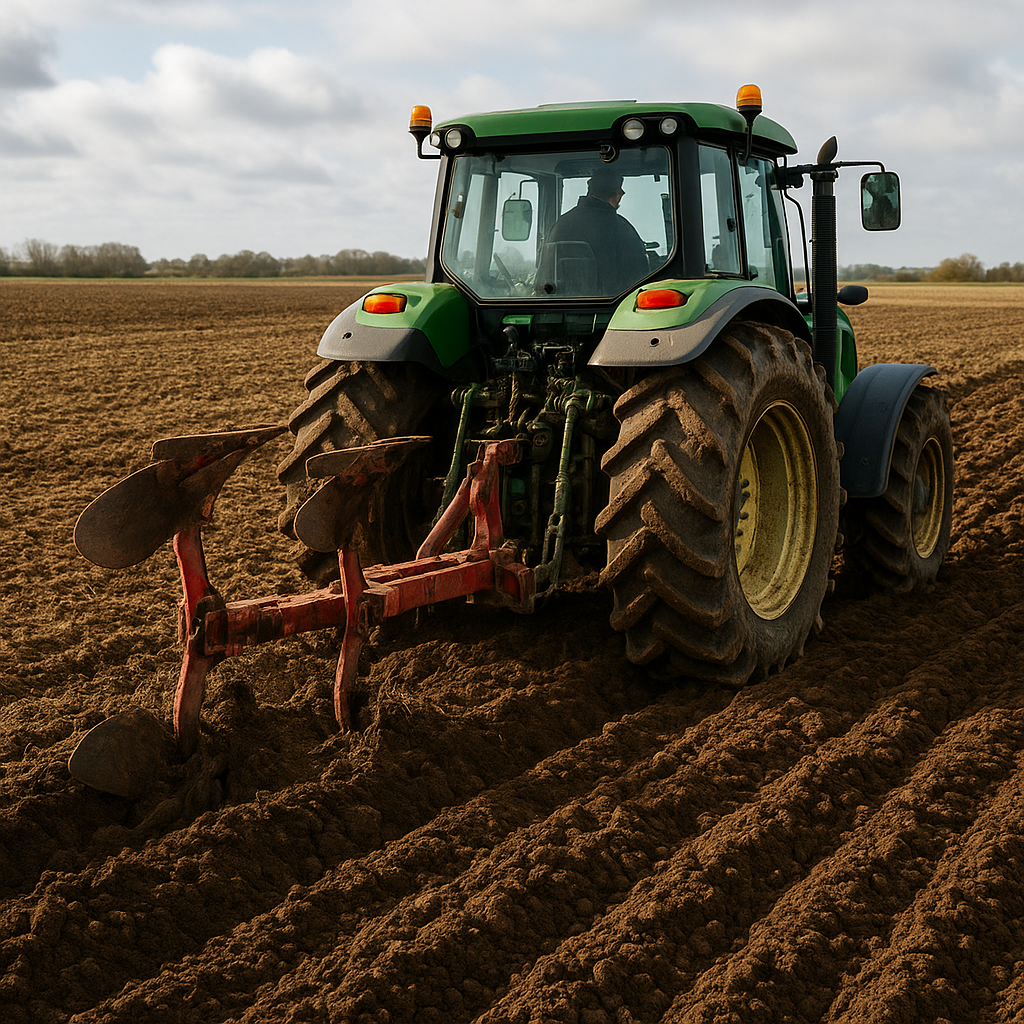
Maintaining consistent and efficient traction is crucial when plowing fields. Without sufficient grip, tractors can slip, waste fuel, and create uneven furrows. By understanding soil characteristics, optimizing equipment setup, and applying proven operational techniques, farmers can boost performance and reduce downtime. This article explores essential tips for enhancing tractor traction during plowing operations.
Assessing Soil Conditions and Preparation
Before engaging the plow, evaluate the field’s surface to ensure optimal grip. Tackling challenging ground conditions requires attention to moisture levels, compaction, and the right ballast strategy.
Moisture Management
Soil that is either too wet or too dry can severely hamper traction. Ideally, aim for a moderate moisture content where the soil holds together without sticking excessively to the plow. Use a simple squeeze test: take a handful of soil and compress it. If it forms a ball that breaks gently when poked, conditions are favorable.
Compaction Assessment
Compact soil reduces infiltration and can lead to surface glazing. Perform a penetrometer test to gauge subsurface resistance. Areas with excessive compaction may require subsoiling before primary plowing to break hardpans and improve root penetration.
Optimizing Weight and Ballast
- Add cast iron weights or liquid ballast to rear rims to increase downward force.
- Consider front ballast if rear slippage persists, maintaining proper front-to-rear balance.
- Ensure ballast is evenly distributed to prevent side slippage on slopes.
A well-ballasted tractor presses tires firmly into the soil, enhancing grip and reducing wheel spin.
Optimizing Tractor Setup and Maintenance
Tractor configuration and upkeep play pivotal roles in sustaining consistent traction. Regular inspections and precise adjustments keep mechanical components operating at peak efficiency.
Tire Selection and Pressure
- Use agricultural tires designed for deep lug patterns that bite into the ground.
- Adjust tire pressure according to load and soil hardness. Lower pressures increase footprint but risk rim damage if too low.
- Consider dual tires or triples to widen the contact patch on soft soils.
Consult the manufacturer’s guide to identify the optimal inflation range for your tractor model.
Weight Distribution and 4WD Engagement
Proper weight distribution ensures the front axle maintains sufficient contact, especially when pulling a multi-furrow plow. Engage four-wheel drive where available, but avoid overloading the front differential to prevent premature wear.
Hydraulic System and Draft Control
- Adjust the position control to maintain a stable plow depth without sudden jerks.
- Fine-tune the draft control so the tractor automatically regulates depth, reducing wheel slip.
- Inspect hydraulic lines and filters to ensure consistent hydraulic flow.
Smooth hydraulic operations allow the plow to run steadily, minimizing spikes in drawbar load that lead to slippage.
Plowing Techniques and Operational Strategies
Beyond hardware setup, the operator’s skill and awareness profoundly affect traction performance. Employing the right driving techniques can reduce fuel consumption and improve furrow quality.
Optimal Speed and Engine Torque
Maintain a steady ground speed, typically between 5 and 8 kilometers per hour, depending on soil type and plow size. Too slow reduces efficiency, while too fast causes slip. Keep the engine in its peak torque range, often between 1,500 and 2,000 rpm for most tractors.
Depth and Angle Adjustments
- Adjust plow depth incrementally to match soil resistance. Shallow cuts for hardpan, deeper for loosened fields.
- Modify the plow’s tilt angle to reduce draft. A slight incline can lower traction demands.
- Use reversible plows to maintain a consistent hitch geometry and improve stability.
Regular plow adjustment keeps draft forces within the tractor’s traction capacity.
Turning and Headland Practices
Sharp turns at the headland can dislodge front wheels and cause slipping. Instead:
- Slow down before the headland to widen the turning arc.
- Lift the plow gradually to reduce drag during the turn.
- Re-engage the plow smoothly when aligning for the next pass.
Controlled maneuvers maintain traction and prevent soil smearing at field edges.
Advanced Tools and Technologies
Integrating precision agriculture tools elevates traction management to a new level. Real-time data and automated controls help operators respond proactively to changing field conditions.
GPS Guidance and Autosteering
- Implement GPS guidance systems to ensure straight, overlapping-free passes.
- Use autosteering to reduce human error and maintain optimal speed lines.
- Combine with variable-rate applications to adapt ballast or width settings on the go.
Automated steering systems minimize unnecessary course corrections that can cost traction.
Real-Time Soil and Tire Sensors
- Deploy sensors to monitor slip percentage and alert the operator when thresholds are exceeded.
- Utilize moisture probes to adjust speed and depth settings automatically.
- Collect data for post-operation analysis, refining strategies for subsequent passes.
Feedback from real-time sensors empowers proactive adjustments, preventing slippage before it escalates.
Traction Control and Differential Locks
Modern tractors often feature electronic traction control that modulates brake pressure to maintain grip. Engage differential locks selectively: lock the rear differential when heavy pulling demands more torque, but unlock on straights to avoid drivetrain binding.
Conclusion
Although factors like weather and soil type vary, adopting a holistic approach—combining soil assessment, equipment optimization, refined techniques, and advanced technology—significantly improves tractor traction. Consistent traction not only boosts plowing efficiency but also extends tractor lifespan and conserves fuel.