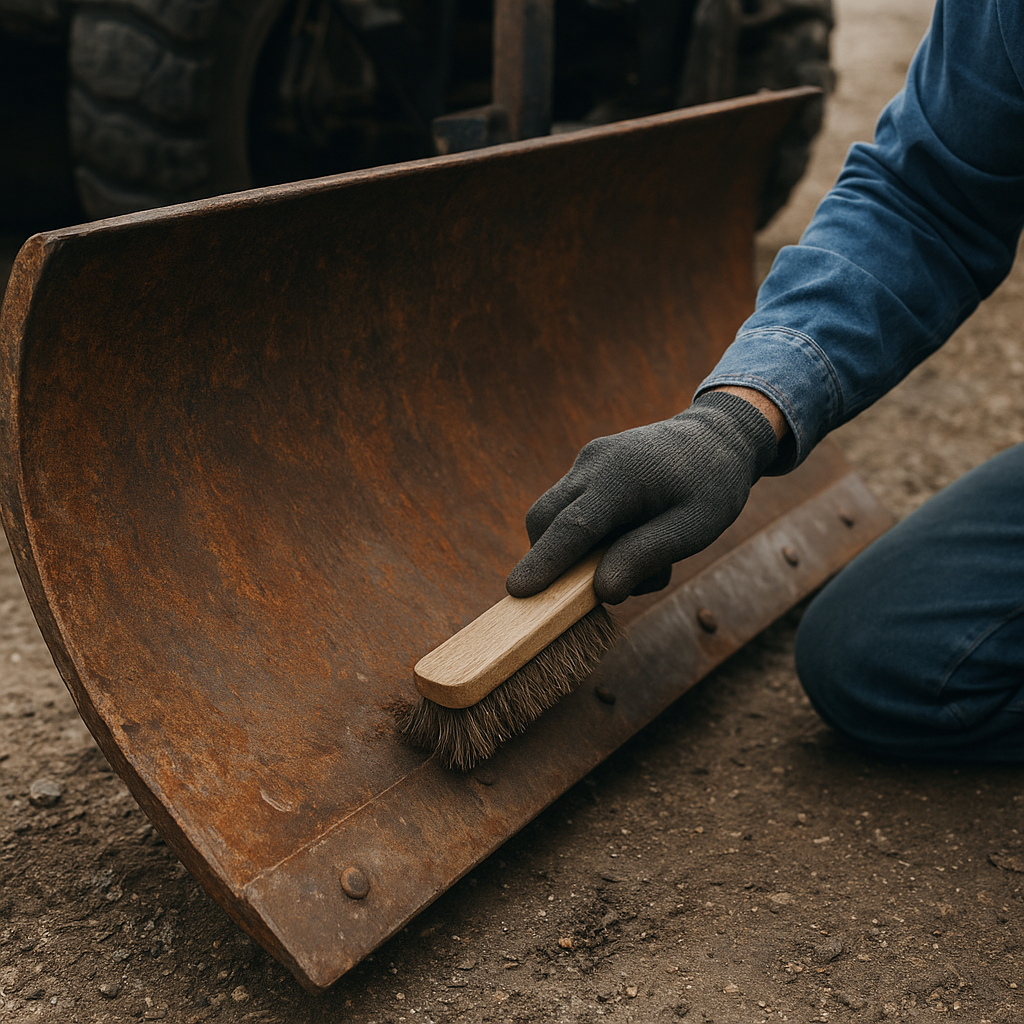
Proper maintenance is the cornerstone of extending the durability and performance of your plow. By integrating systematic care routines—such as thorough inspection, precise adjustments, diligent lubrication, and strategic storage—you can prevent premature wear and costly downtime. This guide offers practical plowing tips and best practices to help you achieve maximum longevity from your equipment, ensuring safe operation and efficient soil turnover season after season.
Selecting the Right Plow for Extended Service
Choosing a plow that matches your soil type, tractor capacity, and field conditions is the first step toward maximizing durability and minimizing repair needs. Consider the following factors:
- Soil Conditions: Heavy clay, sandy loam, or rocky terrain demand different plow designs. For abrasive soils, opt for high-carbon or carbide-tipped moldboards and shares to resist wear.
- Plow Size and Weight: Ensure your tractor can handle the draft force. Overloading can strain the hitch, frame, and power train, accelerating fatigue.
- Material Quality: Steel grade, heat treatment, and coating affect rust susceptibility and wear resistance. Seek reputable manufacturers that use treated alloys for rust prevention.
- Adjustability: Versatile beam angles and coulter placements allow fine-tuning for various crops and residue loads, reducing unnecessary stress on components.
Regular Inspection and Cleaning
Daily Pre-Use Checks
- Examine the hitch pins, clevis, and drawbar for signs of wear parts loosening or elongation.
- Verify tightness of bolts on moldboards, shares, and landslides to prevent vibrations that cause cracks.
- Look for hairline fractures along weld seams and beam intersections. Early detection can save costly replacements.
Post-Operation Cleaning
Soil, moisture, and crop residue can accelerate corrosion. After each field session:
- Use a pressure washer to remove dirt from crevices, especially around pivot points.
- Apply a light coat of biodegradable lubricant to exposed steel surfaces to inhibit rust formation until the next use.
- Inspect scraper blades and skid shoes for embedded debris that could affect plow penetration depth.
Sharpening and Precision Adjustments
Maintaining sharp, properly aligned edges reduces draft force, fuel consumption, and component stress.
- Sharpening Shares and Moldboards: Use a bench grinder or file to restore cutting edges. Maintain the original bevel angle—typically 20° to 25° for most shares.
- Adjusting Skimmers and Coulters: Align them to slice crop residue cleanly ahead of the moldboard, preventing buildup that increases drag.
- Depth Control: Calibrate the depth wheel or gauge to avoid excessive strain on the plow frame. A uniform furrow depth prevents uneven loading across the beams.
Effective Lubrication and Rust Prevention
Friction generates heat and wear at pivot points and sliding surfaces. A well-planned lubrication schedule is vital for maintenance efficiency:
- Identify all grease fittings, including those on the main beam pivot, hitch mechanism, and coulter assemblies.
- Use a high-pressure grease compatible with agricultural environments. Apply weekly during peak season and monthly during light-use periods.
- For long-term storage, coat exposed steel with a heavy-duty anti-corrosion spray. Wipe away any residue before the first use of the new season.
Proper Storage and Off-Season Care
Indoor Storage
Whenever possible, store your plow in a dry, well-ventilated shed to protect it from rain, snow, and UV exposure. If indoor space is limited:
- Elevate the plow off the ground using sturdy blocks to ensure air circulation and prevent moisture pooling beneath skid shoes.
- Drape a breathable tarp over the entire frame, securing edges to block dust and pests while allowing condensate to escape.
Pre-Season Recommissioning
- Conduct a thorough inspection using the previous season’s maintenance log. Verify that all components meet wear tolerance specifications.
- Reapply fresh lubricant and anti-corrosion coating to bearings and linkages.
- Test plow operation on a small plot to confirm correct depth settings and proper moldboard clearance before tackling larger fields.
Safe Operation Practices for Prolonged Life
Safe handling not only protects the operator but also preserves the structural integrity of the plow.
- Gradual Engagement: Lower the plow gently to avoid shock loads that can bend beams or shear bolts.
- Avoid Obstacles: Scout fields for rocks, stumps, and debris. Contact with hard objects can chip or crack shares and moldboards.
- Consistent Speed: Maintain a steady tractor pace. Sudden acceleration or deceleration increases stress on the chassis and driveline.
- Proper Hitch Height: Align the hitch so that the plow runs level in the soil. An off-level plow causes uneven wear and can twist the frame under heavy load.
Advanced Tips for Maximum Longevity
For those seeking to elevate maintenance from routine to expert level, consider these strategies:
- Integrate a vibration monitor on the main beam to detect abnormal frequencies, which often indicate impending component failure.
- Use wear-resistant liners on moldboards. These sacrificial inserts can be replaced at a fraction of the cost of a full moldboard.
- Experiment with biodegradable, high-performance lubricants that reduce friction by 15–20%, cutting heat buildup and extending grease change intervals.
- Implement a digital maintenance log, tagging parts with RFID or barcodes for precise tracking of usage hours and service history.