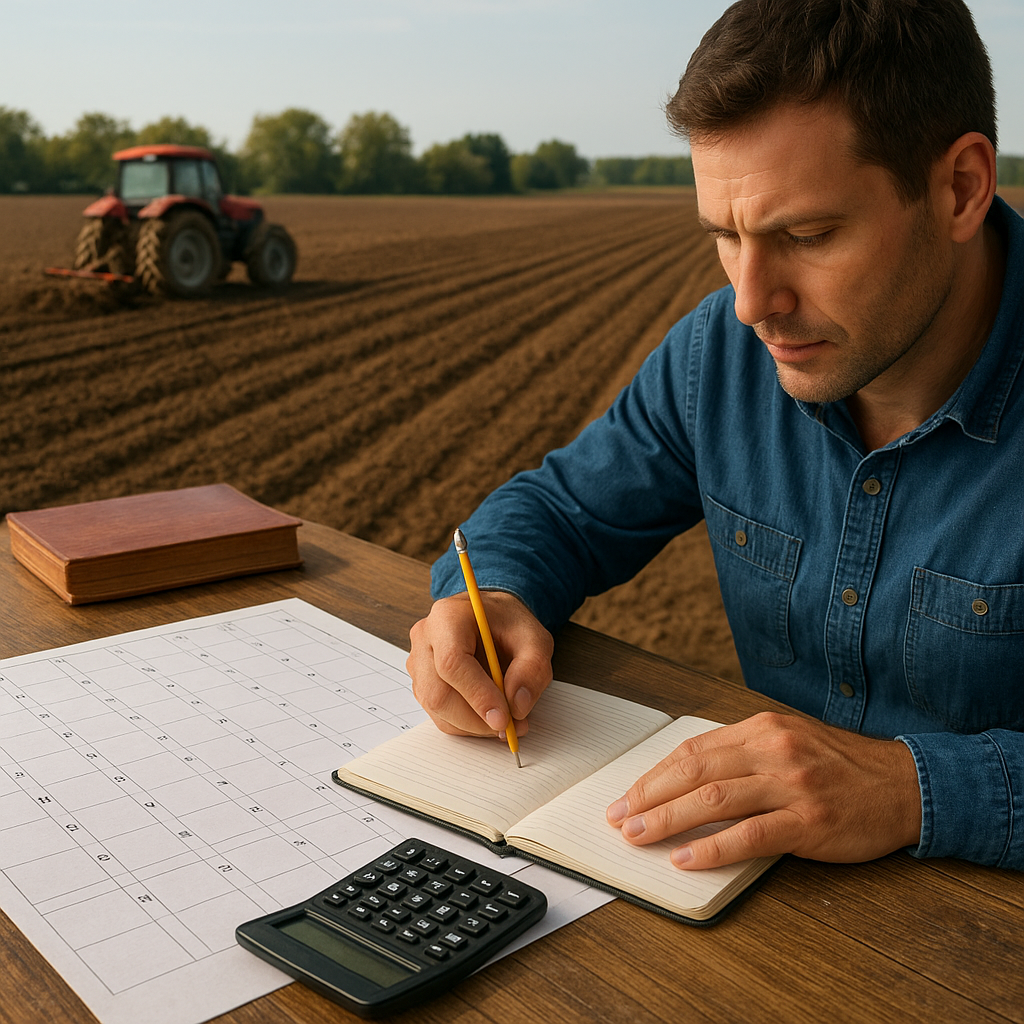
Crafting an effective schedule for plowing can transform your operation by maximizing productivity and safeguarding long-term yields. By focusing on soil composition, seasonal constraints, and equipment readiness, farmers can achieve uniform tillage, reduce fuel costs, and enhance soil health for years to come. This guide outlines actionable steps to help you create a robust plowing plan that aligns with your farm’s unique conditions.
Assessing Field Conditions and Soil Health
Before committing to any plowing dates, begin with a thorough field assessment. Understanding the nuances of your land will prevent costly mistakes and ensure optimal moisture retention and structure.
- Soil Sampling: Conduct soil tests at multiple points to measure pH, nutrient levels, and organic matter. Consistent sampling reveals compaction zones and identifies areas requiring amendments.
- Moisture Monitoring: Use soil moisture probes or tensiometers to pinpoint when the ground is neither too wet nor too dry. Plowing in overly wet conditions leads to clods and smearing, while overly dry soil can produce excessive dust and poor seedbed preparation.
- Residue Assessment: Evaluate crop residue from previous seasons. Thick residue may necessitate residue management tools like choppers or rollers to avoid clogging your plow.
- Drainage Mapping: Identify low‐lying areas prone to waterlogging. Installing drainage tiles or planning alternate routes helps avoid repeated pass‐throughs in soggy spots.
Designing Your Optimal Plowing Schedule
An intelligently crafted timetable balances weather forecasts, crop rotations, and labor availability. Adhere to these principles for a streamlined workflow:
- Seasonal Timing: Schedule primary tillage soon after harvest when the soil has stabilized. Secondary tillage or fine seedbed preparation can follow closer to planting dates.
- Crop Rotation Considerations: Rotate deep‐tillage operations based on crop needs. For example, root crops may require deeper passes, while small grains prefer lighter tillage.
- Weather Windows: Utilize short‐term forecasts to plan around rain events. Aim for a window of at least three dry days to allow the soil to settle and reduce rolling resistance for subsequent passes.
- Equipment Availability: Coordinate between operators and machinery, avoiding bottlenecks. Stagger plowing blocks across fields to ensure continuous work on clear-weather days.
Using Digital Tools for Schedule Optimization
Modern farmers can leverage farm management software and GPS integration to refine scheduling:
- Digital calendars with push notifications remind teams of approaching optimal tillage windows.
- GPS‐enabled tractors track completed acreage, automatically updating your efficiency metrics.
- Cloud‐based reports compare planned vs. actual timelines, helping to refine next season’s timing.
Selecting and Maintaining Plowing Equipment
Choosing the right implements and keeping them in prime condition are crucial steps toward achieving consistent, high‐quality results. Proper maintenance extends equipment life and enhances overall performance.
- Plow Types: Consider reversible moldboard plows for turning residue effectively, chisel plows for minimal inversion, or subsoilers for breaking compaction layers.
- Blade Sharpness: Inspect and sharpen shares regularly. Dull blades increase draft requirements and fuel consumption.
- Hydraulic Systems: Test cylinders and hoses before the season to prevent leaks that could interrupt field operations.
- Tyre Pressure: Adjust tractor and implement tyre pressure to balance traction and avoid excessive soil compaction.
Routine Maintenance Checklist
- Lubricate all moving parts according to manufacturer intervals.
- Check tightness of bolts, pins, and fasteners before and after each major field session.
- Inspect wear plates and replace them proactively to maintain uniform cut depth.
- Calibrate depth-control mechanisms to deliver precise precision tillage across all field zones.
Implementing Best Practices for Maximum Productivity
Executing your plowing plan with attention to detail ensures every pass contributes to improved productivity. Integrate these best practices into your routine:
- Optimal Depth Settings: Adjust plow depth to target seed-bed friability without over‐disturbing subsoil layers.
- Correct Ground Speed: Operate at recommended speeds to allow proper soil turnover and prevent surface smearing.
- Overlap Management: Maintain a 10–15% overlap between passes to avoid unplowed strips. GPS guidance can minimize overlaps and missed areas.
- Erosion Control: Implement contour plowing on slopes and leave vegetative buffer strips to reduce runoff and preserve topsoil.
- Post‐Plow Field Conditioning: Use harrows or rollers to break up large clods and pack the surface lightly for moisture conservation.
Monitoring and Adapting Your Plan
Continuously tracking field progress and gathering data allows you to adapt your strategy:
- Log daily acreage completed versus planned acreage to identify inefficiencies.
- Record fuel usage and maintenance events to calculate true efficiency costs.
- Solicit feedback from operators about challenging spots, then adjust future passes to address compaction or residue build‐up.
- Review rainfall and soil moisture records to fine-tune your next season’s plowing schedule.