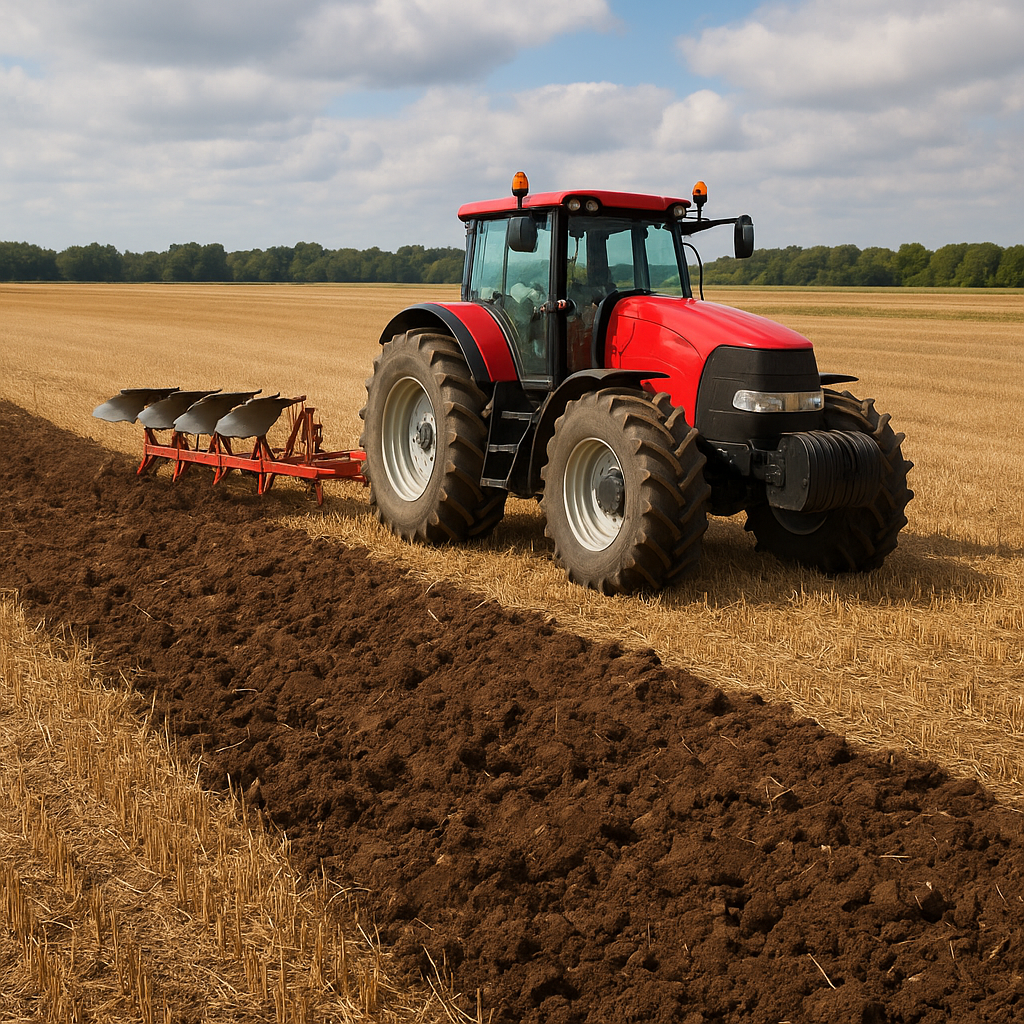
Plowing after harvest is a vital step toward preparing fields for the next planting season while rejuvenating the earth beneath. By following proven techniques, farmers can reduce compaction, enhance organic matter, and improve overall sustainability. This article offers practical guidance on timing, equipment, and soil health strategies to ensure a productive and balanced field.
Selecting the Right Time for Post-Harvest Plowing
Choosing the appropriate window for plowing lays the foundation for healthy soil turnover and minimal disruption. Too early or too late can lead to uneven incorporation of crop residue and waterlogged soils.
Understanding Soil Moisture Levels
- Ideal moisture allows the plowshare to cut smoothly without creating clods.
- Test by squeezing a handful of soil: if it crumbles instead of forming a sticky ball, conditions are optimal.
- Avoid plowing when soil is overly dry, which can cause dust and erosion.
- Conversely, overly wet soils lead to compaction, destroying precious pore spaces.
Monitoring Weather Patterns
- Wait for a series of dry days post-harvest to reduce the risk of working on saturated fields.
- Early frost can help break down residue, but hard freezes hinder penetration.
- Consider regional forecasts to plan plowing sessions over several weeks rather than a single pass.
Equipment and Techniques for Effective Plowing
Selecting the right tools and mastering tillage methods can make the difference between a fluffy seedbed and a compacted mess. Precision in depth, angle, and speed leads to an even furrow and consistent soil structure.
Choosing the Right Implement
- Moldboard plows excel at inverting residue, burying weeds, and improving soil aeration.
- Chisel plows offer shallower tillage, limiting disturbance while reducing compaction.
- Discs and field cultivators handle lighter residue loads and are ideal for fine seedbed preparation.
Adjusting Depth and Angle
- Standard depths range from 6 to 10 inches, depending on soil type and crop rotation needs.
- Steeper angles slice through residue but increase draft requirements.
- Gradual adjustments preserve the soil’s natural structure and avoid overworking fragile layers.
- Maintain consistent depth across the field to promote uniform root development in the next crop.
Optimizing Tractor Speed and Power
- Operating at 4 to 6 miles per hour balances fuel efficiency with effective penetration.
- Too fast can result in uneven turnover and clod formation; too slow increases soil smearing.
- Monitor engine load to prevent stalling in heavy soils or excessive slipping in loose fields.
Enhancing Soil Health Through Strategic Practices
Beyond turning the soil, integrating biological and chemical amendments can restore fertility and build resilience. A holistic approach encourages a thriving ecosystem beneath the surface.
Incorporating Organic Amendments
- Adding well-composted manure boosts nutrients and microbial activity.
- Green manures, such as clover or rye, can be plowed under to fix nitrogen naturally.
- Biochar application improves water retention and long-term carbon sequestration.
- Mix amendments gradually to avoid localized hotspots that may stress seedlings.
Cover Cropping Integration
- Plant fast-establishing cover crops immediately after plowing to protect against erosion.
- Leguminous covers supply additional nitrogen, reducing the need for synthetic fertilizers.
- Deep-rooted species break up compacted layers, enhancing biodiversity and nutrient cycling.
- Terminate covers at the optimal growth stage to balance biomass and ease of incorporation.
Limiting Tillage Intensity
- Adopt reduced-till practices to maintain organic matter levels and avoid disrupting soil horizons.
- Strip-till confines disturbance to narrow bands for crop rows, preserving inter-row soil integrity.
- No-till systems leave residue on the surface, decreasing erosion and supporting beneficial soil organisms.
- Rotate tillage intensity to prevent the formation of a persistent plow pan.
Long-Term Strategies for Continuous Improvement
Plowing after harvest should be part of a yearly rotation plan that addresses both short-term needs and future goals. Balancing immediate gains with soil longevity ensures fertile fields for generations.
Regular Soil Testing and Amendments
- Conduct tests every 2–3 years to track pH, nutrient levels, and organic matter content.
- Apply lime or sulfur to adjust soil pH, optimizing availability of phosphorous and micronutrients.
- Follow test-based fertilizer recommendations rather than blanket applications.
- Monitor micronutrient needs, such as zinc and boron, essential for robust plant development.
Field Mapping and Precision Agriculture
- Use GPS-guided equipment to ensure consistent plow depth and spacing between passes.
- Variable-rate tillage adjusts depth based on soil compaction maps, improving efficiency.
- Document plowing history to identify trends in yield response and soil health metrics.
- Incorporate drone or satellite imagery to assess residue coverage and erosion hotspots.
Crop Rotation and Diversity
- Rotate cereals with legumes to break pest cycles and replenish soil nitrogen.
- Include deep-rooted oilseeds or grasses to penetrate compacted tillage pans.
- Alternate high-residue crops with low-residue ones to balance organic matter inputs.
- Diverse rotations contribute to improved yield stability and environmental resilience.