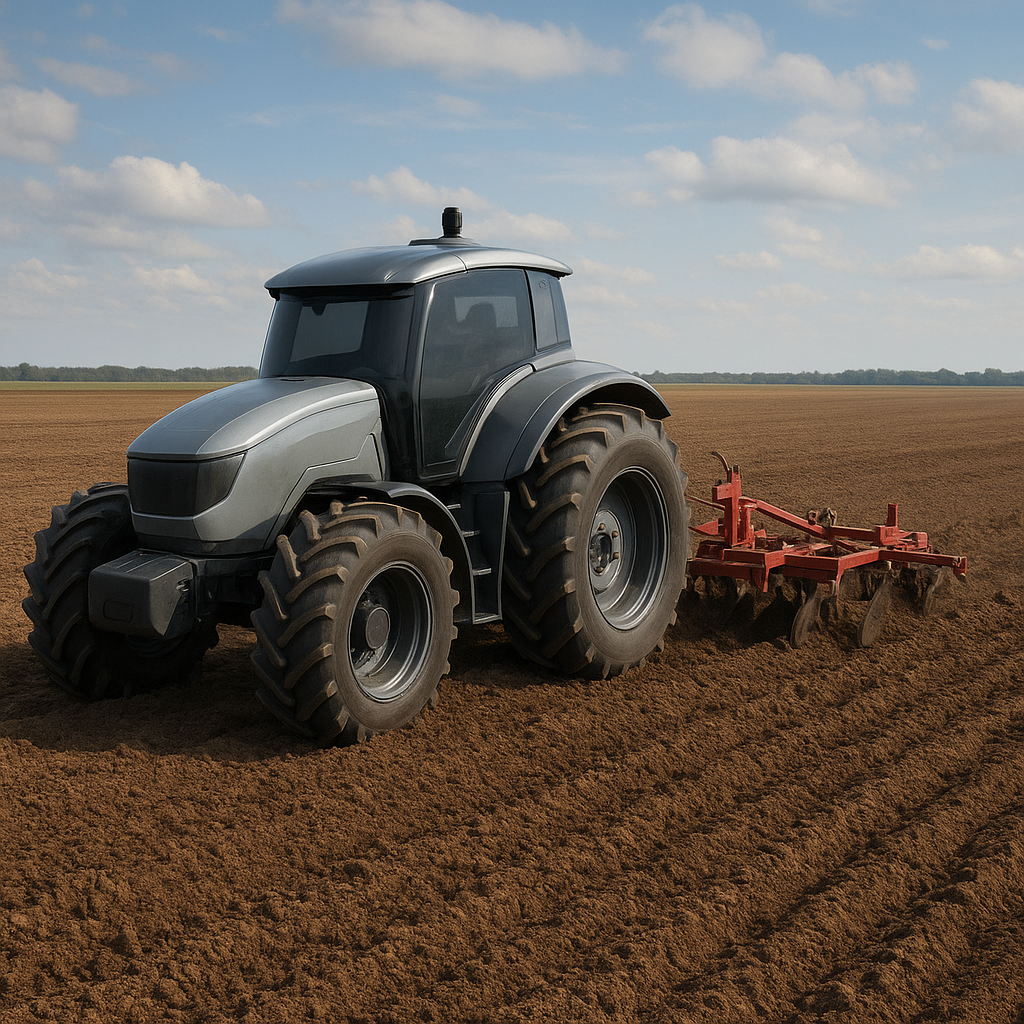
The Future of Autonomous Plowing Technology is poised to redefine the way farmers and agricultural professionals approach field preparation. With innovations driven by artificial intelligence, robotics, and advanced sensor arrays, plowing is transitioning from manual guidance to fully autonomous operations capable of optimizing both time and resources. As modern agriculture grapples with labor shortages and mounting sustainability goals, this groundbreaking shift promises to deliver unprecedented efficiency and precision in soil cultivation.
Technological Innovations in Autonomous Plowing
Emerging systems leverage a suite of cutting-edge technologies to transform traditional plowing into a smart process. These innovations not only reduce the need for human intervention but also enable dynamic adaptation to changing field conditions.
Advanced Sensors and Mapping
Autonomous plowing units integrate high-resolution LiDAR, multispectral cameras, and GPS modules to construct detailed three-dimensional maps of terrain. By continuously scanning the field, these sensors can identify variations in elevation, soil composition, and obstacles such as rocks or debris. The result is an adaptive plowing path that maintains consistent depth and angle, maximizing soil turnover and reducing pass overlaps.
Machine Learning and Real-Time Decision Making
Underlying the autonomy is an array of machine learning algorithms capable of analyzing sensory inputs in real time. Trained on vast datasets of soil types and weather patterns, these algorithms predict optimal plow depth, ground speed, and cutting angles. They adjust parameters on the fly, ensuring that the implement responds instantly to wet patches, compacted zones, or challenging subsoil layers. Continuous feedback loops refine the machine’s performance, leading to ever-improving productivity with each field cycle.
Robotic Implements and Modular Attachments
Modern autonomous tractors often come with robotic hitch systems and quick-change attachments. This modularity allows operators to switch between plows, disks, and subsoilers without manual labor, effectively turning a single platform into a multi-purpose cultivation unit. Some designs include automated depth calibration tools that self-level the implement, streamlining setup and minimizing downtime.
Best Practices for Autonomous Soil Preparation
Optimizing the performance of autonomous plowing machinery requires careful planning, calibration, and maintenance. Adopting best practices ensures maximum uptime, longevity of equipment, and superior soil structure.
- Initial Field Survey: Conduct a comprehensive survey of the field’s topography and soil moisture before deploying autonomous units. Use drone-based imaging or handheld sensors to gather baseline data.
- Regular Calibration: Schedule frequent calibration checks for GNSS receivers and inertial measurement units. These procedures preserve navigation accuracy and prevent drift over large areas.
- Implement a Risk Assessment Protocol: Identify potential hazards such as irrigation lines, animal burrows, or shallow rocks. Update the vehicle’s internal map to avoid unexpected collisions.
- Soil Health Monitoring: Integrate soil nutrient testing within the plowing cycle. Some advanced plows can extract cores and analyze pH or organic matter, adjusting tillage depth based on real-time soil health data.
- Maintain Optimal Moisture Levels: Plowing overly dry soil increases dust and power consumption, while excessively wet soil leads to clumping and rutting. Schedule operations when moisture content is within the recommended range for your soil type.
- Use Automated Reporting: Leverage cloud connectivity to track each pass’s performance metrics—fuel usage, area covered, and time per hectare. These logs inform future planning and equipment upgrades.
Environmental and Economic Benefits
Adopting autonomous plowing technology can yield significant advantages for both the environment and the farm’s bottom line. By embracing more precise cultivation techniques, growers can reduce waste, conserve resources, and boost yields.
- Reduced Fuel Consumption: Precise path planning and optimized engine loads cut fuel usage by up to 20%, lowering greenhouse gas emissions and operational costs.
- Minimized Soil Compaction: Controlled wheel traffic patterns reduce repeated passes over the same track, preserving soil structure and enhancing root penetration for subsequent crops.
- Conservation Tillage Integration: Autonomous technology can be programmed for strip-till or no-till approaches, promoting sustainable farming practices that retain organic matter and reduce erosion.
- Lower Labor Overheads: Automated plowing requires fewer on-site operators, addressing workforce shortages and reducing human-induced errors during monotonous tasks.
- Enhanced Yield Stability: Uniform seedbeds and consistent plowing depths support even germination, leading to healthier stands and more predictable harvest outcomes.
Overcoming Challenges and Ensuring Safety
Despite the numerous benefits, autonomous plowing technology presents unique challenges that must be addressed to ensure safe and reliable operation.
Regulatory Compliance and Insurance
Different regions impose varying legal frameworks for unmanned agricultural vehicles. Operators must secure permits, adhere to defined operational corridors, and equip machinery with approved safety systems. Proper insurance coverage is critical to mitigate liability in the event of mechanical failure or unforeseen incidents.
Cybersecurity and Data Integrity
As connectivity increases, so does vulnerability to hacking or data corruption. Implement robust encryption protocols for communication between field units and control centers. Regularly update firmware to protect against emerging threats and verify data integrity to maintain accurate operational logs.
Backup Systems and Manual Override
Every autonomous tractor should include redundant control modules and a clearly marked manual override. In case of sensor malfunction or loss of signal, the system must default to a safe shutdown or return-to-home mode. Training field personnel on emergency procedures and manual control ensures readiness for any contingency.
Community Engagement and Stakeholder Training
Introducing autonomous plowing into a farming community requires transparent communication and hands-on training. Farmers, agronomists, and local technicians benefit from workshops that demonstrate system capabilities, troubleshoot common issues, and highlight routine maintenance tasks. Building trust fosters smoother adoption and collective learning.
The integration of autonomous plowing technology marks a transformational moment in agricultural history. By combining advanced robotics, real-time decision-making, and precision mapping, growers can achieve higher productivity with fewer resources. As the industry continues to refine these systems, the future of field preparation looks smarter, safer, and more sustainable than ever before.