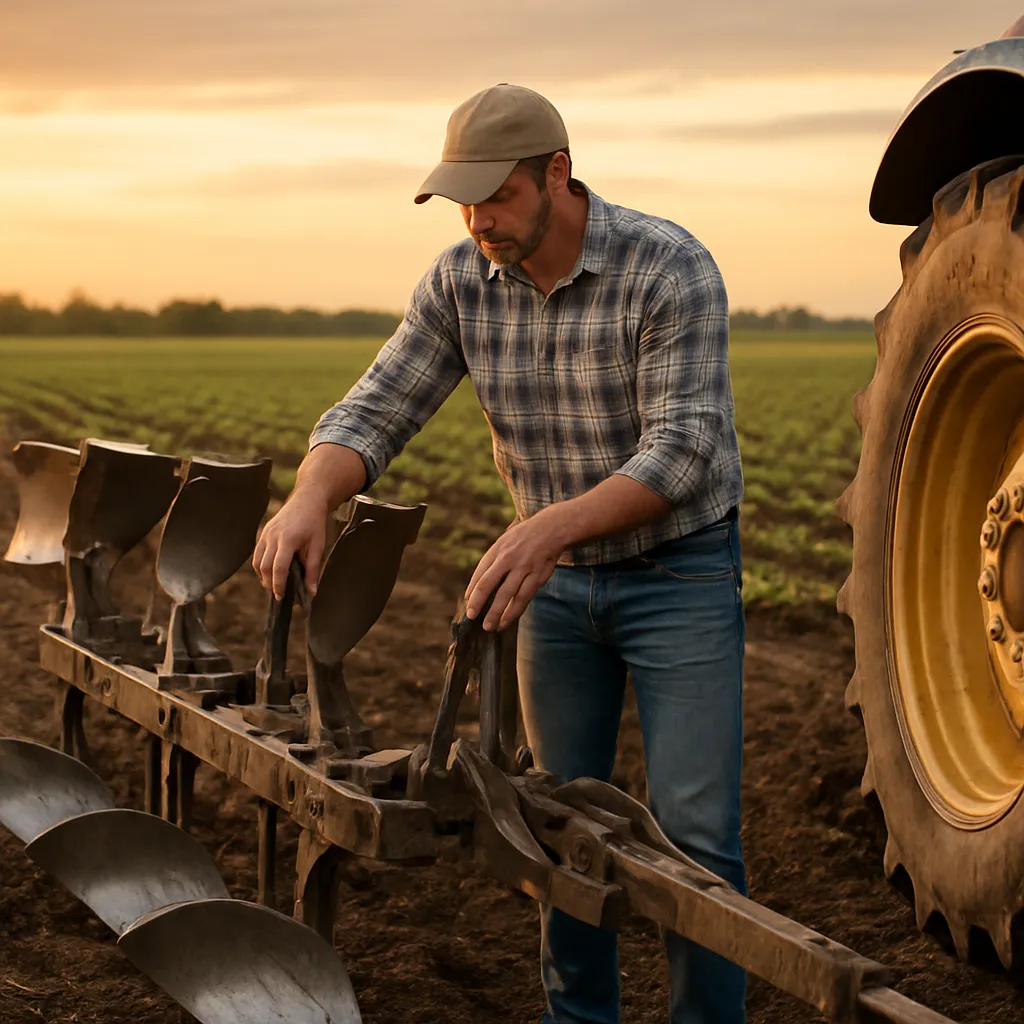
Optimizing a plow setup for different crops demands a blend of practical knowledge, equipment know-how, and environmental awareness. Selecting the right configuration and adjusting implement settings can significantly enhance soil preparation, leading to healthier plants and improved yield. By understanding soil properties, matching plow components to crop needs, and observing seasonal factors, farmers can maximize their investment and minimize time spent in the field.
Understanding Soil and Crop Requirements
Every field and crop presents a unique set of challenges. Before making any mechanical adjustments, it’s vital to test and analyze soil texture, structure, and moisture levels. Consider this checklist:
- Soil Texture: Clay, loam, or sandy soils each require different plow angles and speeds to avoid compaction or poor pulverization.
- Organic Matter: Fields with high residue need deeper cutting widths to incorporate stalks, while low organic matter soils benefit from shallower passes to preserve nutrients.
- Drainage Patterns: Well-drained fields allow for deeper tillage, but poorly drained soils demand conservative settings to prevent waterlogging and erosion.
Matching plow depth and width to both soil conditions and crop plans ensures that each seedbed offers optimal conditions for root development. For example, root vegetables require a depth that permits uniform growth, whereas grains benefit from a slightly shallower profile for surface emergence.
Crop-Specific Soil Prep
Different crops interact with soil layers in varied ways. Corn, soybeans, and small grains each have unique tillage demands.
- Corn: Prefers medium-depth incorporation of crop residues for uniform moisture retention.
- Soybeans: Benefit from a finer tilth to support delicate seedlings; adjust your disc coulters or finishing harrow accordingly.
- Wheat and Barley: Require a smooth surface for even seed placement; reducing clod size is essential.
Adjusting Plow Components for Crop Types
Choosing the correct plow components can make the difference between a successful planting season and wasted efforts. Consider three main factors: implement type, plow share design, and hitch settings.
Implement Type Selection
Moldboard plows, chisel plows, and disc plows each serve specific purposes:
- Moldboard Plow: Ideal for turning heavy residue under in preparation for crops like corn and sugar beets.
- Chisel Plow: Employed for minimum tillage and soil aeration; ideal before drought-tolerant crops such as sorghum.
- Disc Plow: Excellent at slicing roots and residue, particularly valuable for soybean stubble.
Plow Share and Point Configuration
The geometry of the plow share drastically affects how soil is lifted and flipped. Key adjustments include:
- Share Angle: A sharper angle improves cutting action in firm soils, while a blunter angle is better in softer ground.
- Point Type: Skimmers help bury residue, reducing pest habitats, but not all crops require deep residue burial.
- Wear Parts: Regularly inspect and replace worn shares to maintain consistent soil turnover and efficiency.
Hitch and Draft Control
Maintaining proper draft control ensures uniform plowing depth and prevents undue stress on both tractor and implement. Strategies include:
- Toplink Adjustment: Fine-tunes the plow’s pitch to maintain even furrow bottoms.
- Auto-Draft Systems: Automatically sense draft changes and adjust hydraulic flow to maintain a constant traction load.
- Weight Distribution: Adding front weights or adjusting rear ballast can help the tractor maintain steady pull.
Seasonal and Environmental Considerations
Weather and seasonal timing can make or break a plowing operation. Soil moisture levels, temperature, and erosion risks all influence your approach.
Moisture Management
Optimal soil moisture prevents smearing and promotes healthy seedbed structure. Aim for a moisture range where soil crumbles cleanly when pinched between fingers. Too dry, and dust clouds will hinder seed-to-soil contact; too wet, and you risk compaction.
Temperature and Timing
Spring plowing should occur early enough to allow for warming and drying, but late enough to avoid frost heave. Fall plowing can reduce spring workload, but in cold climates it may invite freeze-thaw cycles that degrade soil aggregate stability.
Erosion Control Practices
Implementing contour plowing on slopes and minimizing passes across fallow land helps preserve topsoil. Additionally, integrating cover crops immediately after primary tillage can trap sediment and improve soil structure for subsequent plantings.
Maintenance and Safety Practices
Upkeep and proper handling of plowing equipment not only extends its service life but also safeguards operators. Regular checks and adherence to safety protocols are crucial.
Routine Inspection
- Bolts and Fasteners: Tighten and replace any missing hardware.
- Hydraulic Lines: Look for leaks or abrasion points to prevent sudden failures.
- Gearbox and Bearings: Lubricate according to manufacturer specifications to reduce wear.
Operator Training and Ergonomics
Proper training ensures that the operator can perform on-the-go adjustments. Ergonomic controls reduce fatigue, leading to more consistent pass-to-pass calibration and better overall productivity.
Adaptive Strategies for Changing Conditions
Modern farming often requires rapid response to unexpected weather or crop rotation changes. A plow setup with quick-change shims and modular skimmers offers adaptability in the field. By carrying spare parts and a service toolkit, you’ll be prepared to tweak settings, ensuring continuous operation without significant downtime.
Through an integrated approach that addresses soil properties, equipment configuration, and environmental dynamics, farmers can secure stronger seedlings, healthier root systems, and ultimately higher profits. Whether adjusting for clay-heavy fields or sandy loams, the principles of strategic tillage remain centered on balancing soil health with operational maintenance and care.