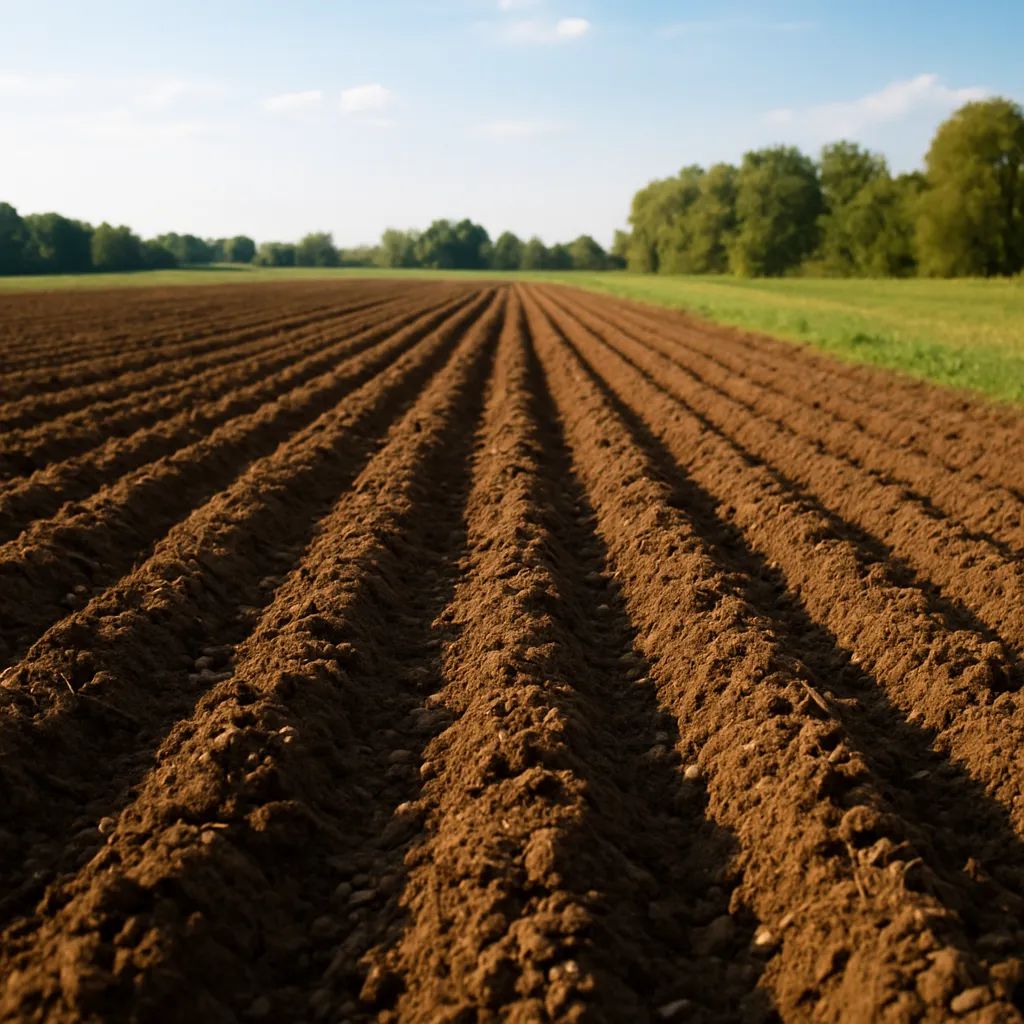
Effective management of soil thermal conditions is crucial for optimizing seed germination, root development, and overall crop performance. After completing a plowing operation, fields often face abrupt shifts in temperature dynamics that can influence nutrient availability, moisture retention, and microbial activity. This article explores strategies to regulate soil heat, maintain uniform conditions, and leverage natural processes to support healthy plant growth.
Understanding Soil Temperature Dynamics After Plowing
When soil is turned over, its internal structure is disrupted and previously insulated layers become exposed to ambient air and sunlight. This exposure leads to rapid changes in soil heat gain or loss. Key factors affecting post-plow temperature include:
- Solar radiation: Direct sunlight heats the bare, loosened surface more quickly than intact soil.
- Moisture level: Wet soil absorbs and retains heat differently than drier soil, with evaporation causing cooling effects.
- Ambient air conditions: Daytime temperatures and wind speed can significantly influence heat exchange at the soil surface.
- Soil texture: Sandy soils warm up faster but cool down quickly, while clay soils respond more slowly but hold heat longer.
Understanding these variables allows farmers to anticipate the rate of soil warming or cooling, which can impact planting schedules and early season crop management. For instance, a soil temperature range of 10–15°C is often necessary for optimal seed germination of many common crops.
Techniques to Regulate Soil Heat
Mulching and Organic Cover
Applying mulch immediately after plowing can moderate temperature extremes. Organic materials such as straw, wood chips, or crop residues create a protective layer that:
- Reduces direct solar radiation on bare soil, preventing rapid surface heating.
- Insulates against nighttime chill, maintaining more uniform thermal conditions.
- Helps preserve soil moisture by slowing evaporation rates.
Mulch thickness of 5–10 cm is generally effective. Lighter materials work best in moderate climates, while thicker applications may be needed where temperature swings are extreme.
Use of Plastic Films and Row Covers
For high-value crops or early planting, plasticulture techniques offer precise control over soil temperature:
- Clear polyethylene films enhance solar warming by creating a greenhouse effect, boosting soil warmth by 3–5°C.
- Black or infrared-transmitting mulches can increase heat retention while blocking weed growth.
- Floating row covers made from lightweight fabric protect seedlings from frost while letting light and moisture through.
However, plastic coverings require careful management to prevent overheating and ensure adequate airflow. Removing or venting coverings on hot days helps avoid thermal stress.
Tools and Monitoring Methods for Soil Temperature
Accurate monitoring is essential to apply interventions at the right time. The following tools are commonly used:
- Soil thermometers: Simple, handheld probes provide spot readings at various depths.
- Data loggers: Automated sensors record temperature and moisture continuously, offering detailed profiles over time.
- Infrared thermometers: Non-contact devices measure surface temperatures quickly, useful for large fields.
Establishing monitoring stations in representative field locations ensures a reliable understanding of thermal patterns. Data-driven decisions can inform when to adjust mulch layers, install row covers, or commence irrigation.
Best Practices for Seasonal Soil Temperature Management
Implementing a comprehensive strategy across seasons helps maintain soil health and optimize growing conditions:
- Pre-plowing assessment: Evaluate existing soil moisture and temperature profiles to choose the ideal timing for tillage.
- Post-plow conditioning: Apply amendments like compost or cover crops to enhance organic matter and insulation.
- Irrigation scheduling: Avoid watering during peak heat hours to minimize thermal shock and evaporation losses.
- Utilize cover crops during off-seasons to protect soil from frost and heat extremes, enhancing structure and biological activity.
By integrating monitoring, insulation, and crop rotations, farmers can create stable microclimates within their fields. This consistency supports robust root development, nutrient uptake, and resilient microbial communities.
Integrating Drainage and Soil Structure for Thermal Control
Proper drainage and field design also influence thermal behavior of the soil. Excess water retention can lead to colder soils in spring and slower warming, while well-drained fields warm more uniformly. Consider these measures:
- Install tile drains or shallow trenches to remove standing water efficiently.
- Maintain tillage practices that promote crumb structure and pore space for both air and water movement.
- Implement contour plowing or raised beds to improve surface runoff and reduce pooling in low-lying areas.
Balancing moisture and temperature creates ideal conditions for seed germination and root proliferation, ultimately boosting yield potential.
Conclusion
Proactive soil temperature management after plowing involves a combination of physical barriers, timely monitoring, and adaptive cultural practices. By understanding the interplay between soil texture, moisture, and ambient conditions, growers can implement targeted solutions—ranging from organic mulches to advanced plasticultures—to maintain optimal thermal regimes. Embracing these techniques leads to healthier soils, stronger plants, and improved agricultural productivity.