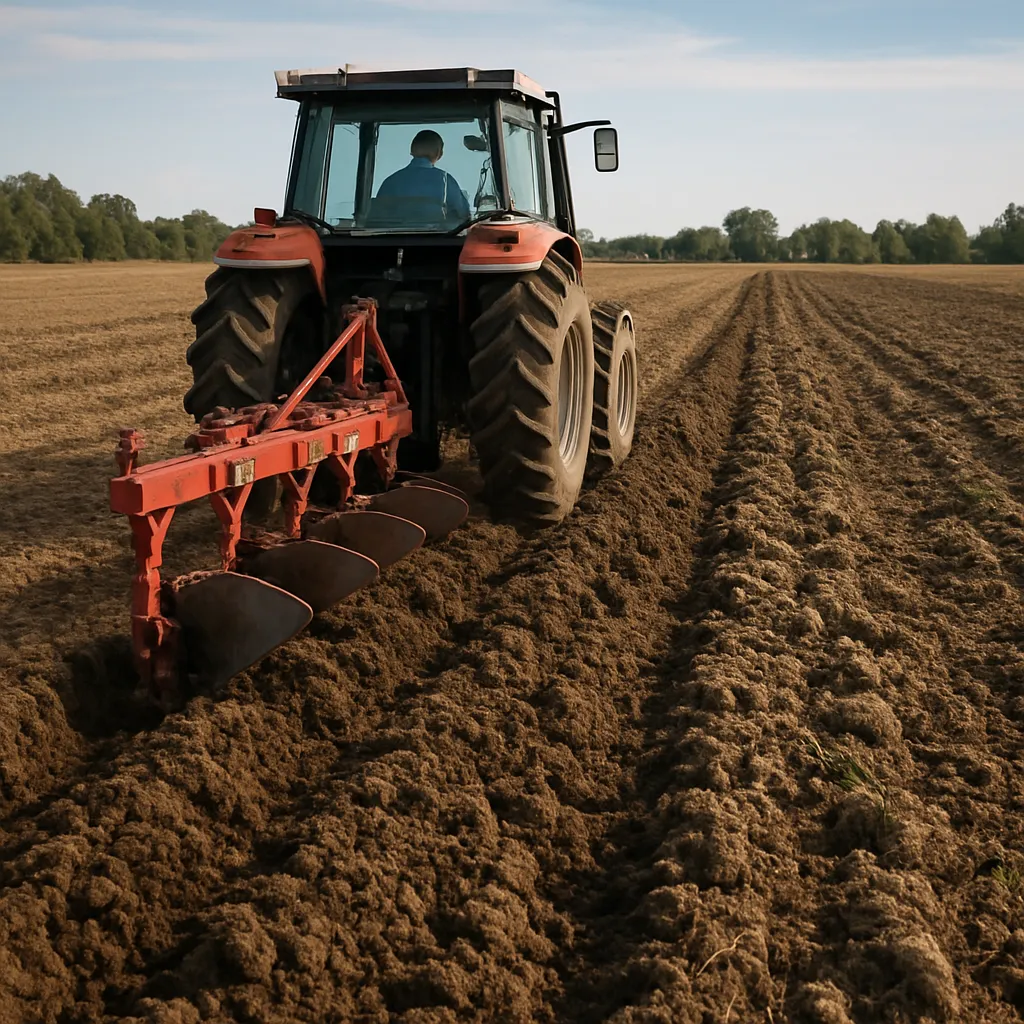
Proper tillage lays the foundation for vigorous crop development and long-term field health. By improving soil aeration, farmers and gardeners can enhance root penetration, optimize water infiltration, and stimulate beneficial microbial activity. This article explores practical advice on achieving superior aeration through thoughtful plowing strategies, focusing on technique selection, timing considerations, and equipment upkeep.
Understanding Soil Aeration
Effective aeration creates pathways for air exchange in the ground, promoting healthy root growth and facilitating the movement of oxygen to deep layers. When good aeration is present, water distributes evenly, reducing surface runoff and the risk of erosion. Key factors that influence aeration include:
- The natural porosity of the soil profile, determined by texture and organic matter content.
- The degree of compaction caused by traffic, heavy machinery, or natural settling over time.
- The activity of soil-dwelling microorganisms that create channels and break down residues.
- The availability of essential nutrients that sustain plant health and microbial populations.
Balancing these elements through targeted plowing enhances overall structure and long-term productivity.
Choosing the Right Plowing Techniques
Selecting an appropriate plowing method depends on soil type, crop rotation, and local climate. Below are popular options with their respective benefits:
Conventional Moldboard Plow
- Turns the top layer of soil, burying residues and weeds for a clean seedbed.
- Improves initial tillage by loosening compacted layers several inches deep.
- May require subsequent passes to refine the surface.
Chisel Plow
- Pierces hardpan without full inversion, maintaining some surface residues.
- Enhances vertical aeration while minimizing erosion risks.
- Ideal for fields with moderate compaction and high organic matter.
Disc Plow
- Works well in sticky or rocky soils, slicing rather than turning the ground.
- Offers consistent depth control, breaking clods and smoothing the field.
- Can be combined with harrows for uniform texture.
Each approach influences pore distribution differently. Integrating two methods in rotation can prevent crusting and maintain balanced structure.
Timing and Frequency of Plowing
Executing plowing at the optimal moment is crucial for maximum aeration benefits. Consider the following guidelines:
- Avoid working overly wet fields, which can exacerbate compaction and destroy pore networks.
- Target early spring or late fall sessions when soil moisture content is moderate.
- Account for crop cycle demands; shallow plowing between seasons can minimize disruptions.
- Implement light tillage passes prior to heavy inversion, allowing the ground to stabilize.
Frequent shallow passes encourage gradual aeration maintenance, while deep interventions every few years break persistent pans and restore porosity.
Equipment Selection and Maintenance
Investing in well-calibrated plowing tools ensures consistent depth and effective loosening. Key considerations include:
- Choosing blades or shanks designed for local soil textures.
- Adjusting angle and pitch settings to balance cutting force and residue mixing.
- Inspecting wear parts regularly; dull edges reduce soil penetration and increase fuel consumption.
- Lubricating moving joints to prevent binding under load.
Properly maintained equipment not only improves aeration outcomes but also extends machinery life and reduces downtime during critical field operations.