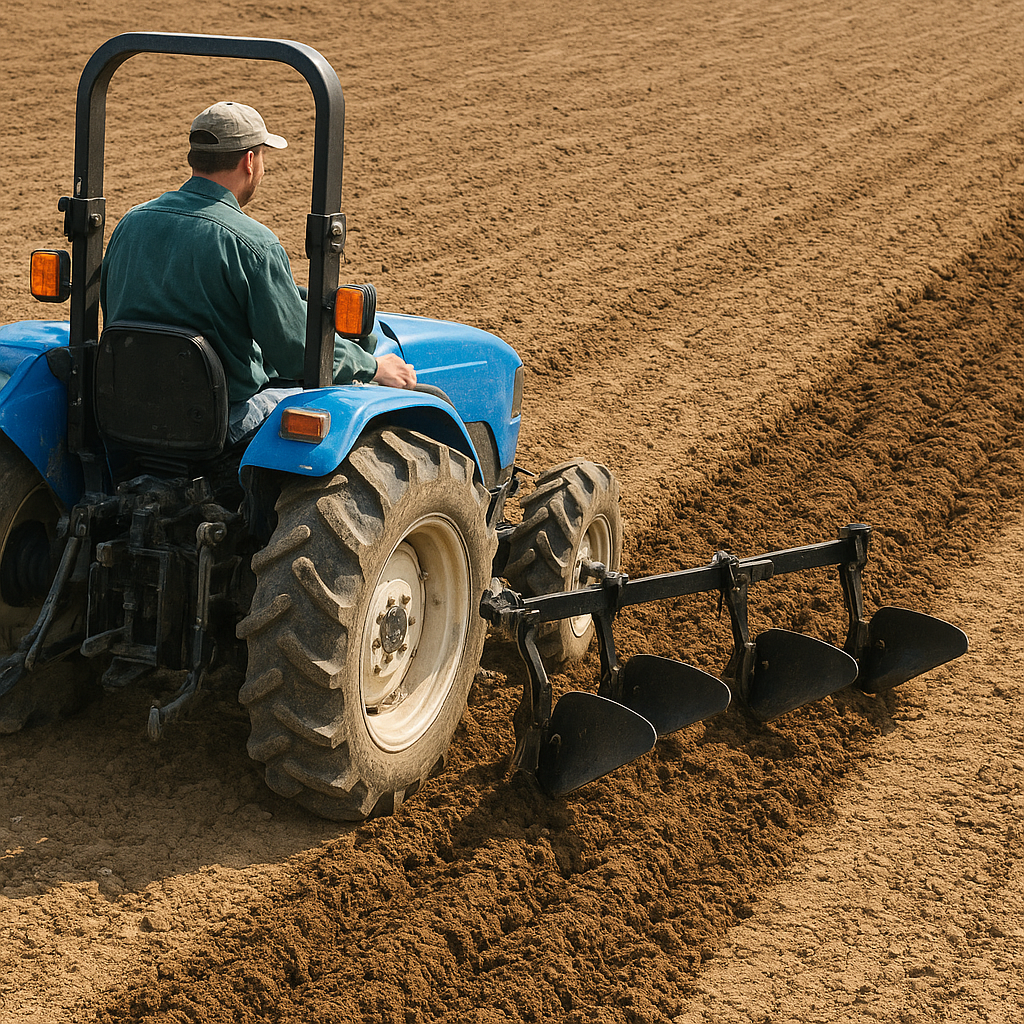
Working with dense soil can strain both machinery and operator, leading to delays and costly repairs. Proper preparation, careful adjustment, and strategic technique are crucial when tackling compacted ground. This guide offers practical insights on how to plow compact soil without risking equipment failure, ensuring efficient fieldwork and sustained productivity.
Understanding Soil Compaction and Its Challenges
Causes of Soil Compaction
Repeated traffic by heavy tractors, wet field operations, and insufficient rotation of cropping systems all contribute to soil compaction. When soil particles are pressed together, pore spaces shrink and water infiltration slows. This results in a dense layer that resists plow penetration and can cause:
- Reduced root growth
- Poor aeration
- Waterlogging or uneven moisture distribution
- Increased fuel consumption during plowing
Effects on Plowing Performance
Attempting to break through a compacted layer without proper precautions often leads to excessive drawbar loads, overheating of hydraulic systems, and bent or broken plow components. Key mechanical issues include:
- Excessive wear on coulters and shares
- Hydraulic failures due to overload
- Chassis frame stress and cracking
Understanding these risks helps operators choose the right approach to minimize damage and maximize efficiency.
Preparing Your Equipment for Tough Conditions
Selecting the Right Plow Type
Not all plows are created equal when facing hardpan or severely compacted soil. Consider these options:
- Moldboard Plow: Excellent soil inversion but requires significant draft force.
- Disc Plow: Better at cutting through residue and resistant to obstruction.
- Chisel Plow: Designed for deep tillage without full soil turnover, reducing draft.
Choose a design with sturdy frame members, heavy-duty points, and replaceable wear parts to handle abrasive conditions.
Adjusting Settings for Optimal Performance
Proper calibration can make the difference between smooth progress and equipment failure. Key adjustments include:
- Depth Control: Set an initial depth no greater than 1.5 times the share width to reduce draft peaks.
- Wing Angle: Narrower wing angles (25°–35°) minimize overturn resistance in heavy soils.
- Gauge Wheels: Ensure wheels are aligned and adjusted to maintain consistent depth across uneven terrain.
Routine Maintenance and Inspection
Vigilant upkeep prevents breakdowns in the field and extends component life:
- Inspect blade edges daily for cracks or excessive wear.
- Lubricate pivot points and bearings before each operation.
- Check hydraulic hoses for abrasions and replace weakened lines promptly.
- Tighten all fasteners to manufacturer torque specifications.
Techniques for Effective Plowing
Optimal Moisture Management
Soil moisture content dramatically influences plow performance. Overly wet soil leads to smearing and compaction, while excessively dry ground can be rock-hard. Aim for moisture levels near field capacity by:
- Timing operations after light rainfall or irrigation.
- Monitoring soil moisture with a penetrometer or tensiometer.
- Adjusting plow depth and speed if moisture conditions change mid-task.
Ideal moisture encourages friable conditions that allow the share to cut cleanly and reduce drag on the tractor.
Proper Blade Angle and Depth Control
Maintaining the correct angle and depth reduces draft forces and promotes uniform tillage:
- Set share angle to about 12°–15° relative to the direction of travel for efficient soil slicing.
- Gradually increase depth in sequential passes rather than plunging to full depth instantly.
- Use a GPS or auto-steer system, if available, to maintain straight lines and consistent overlap.
Using Traction Aids to Improve Grip
Loss of traction can stall plowing operations and lead to wheel slippage, rutting, and stress on the drivetrain. Countermeasures include:
- Fitting weight kits or front ballast to distribute load evenly.
- Equipping tires with duals or flotation variants when working on wet or soft spots.
- Employing track systems for enhanced traction on particularly challenging soils.
Protecting Your Equipment During Operation
Shock Absorption and Vibration Dampening
Sudden impacts with rocks or buried debris can damage plow frames and tractor hitch points. Incorporate these features:
- Shear bolts or trip mechanisms that allow the plow to give way under extreme load.
- Rubber bumpers on hitch brackets to absorb jarring forces.
- Hydraulic relief valves calibrated to unload excessive pressure spikes.
Routine Field Inspections
Mid-task checks help identify emerging issues before they escalate. During breaks, examine:
- Wear on points and shins—replace or rotate parts when wear exceeds 50% of original thickness.
- Hydraulic fluid temperature and level—overheating can signal blockage or overloading.
- Tire pressure—underinflation increases rolling resistance and fuel use.
Timely adjustments maintain traction and prevent unexpected downtime.
Implementing these steps ensures that your tractor and plow work in harmony, handling the toughest compacted soils with minimal risk and maximum efficiency. By understanding the nature of compaction, preparing your machinery, applying precision techniques, and protecting against mechanical stress, you can accomplish deep tillage while preserving valuable equipment assets.