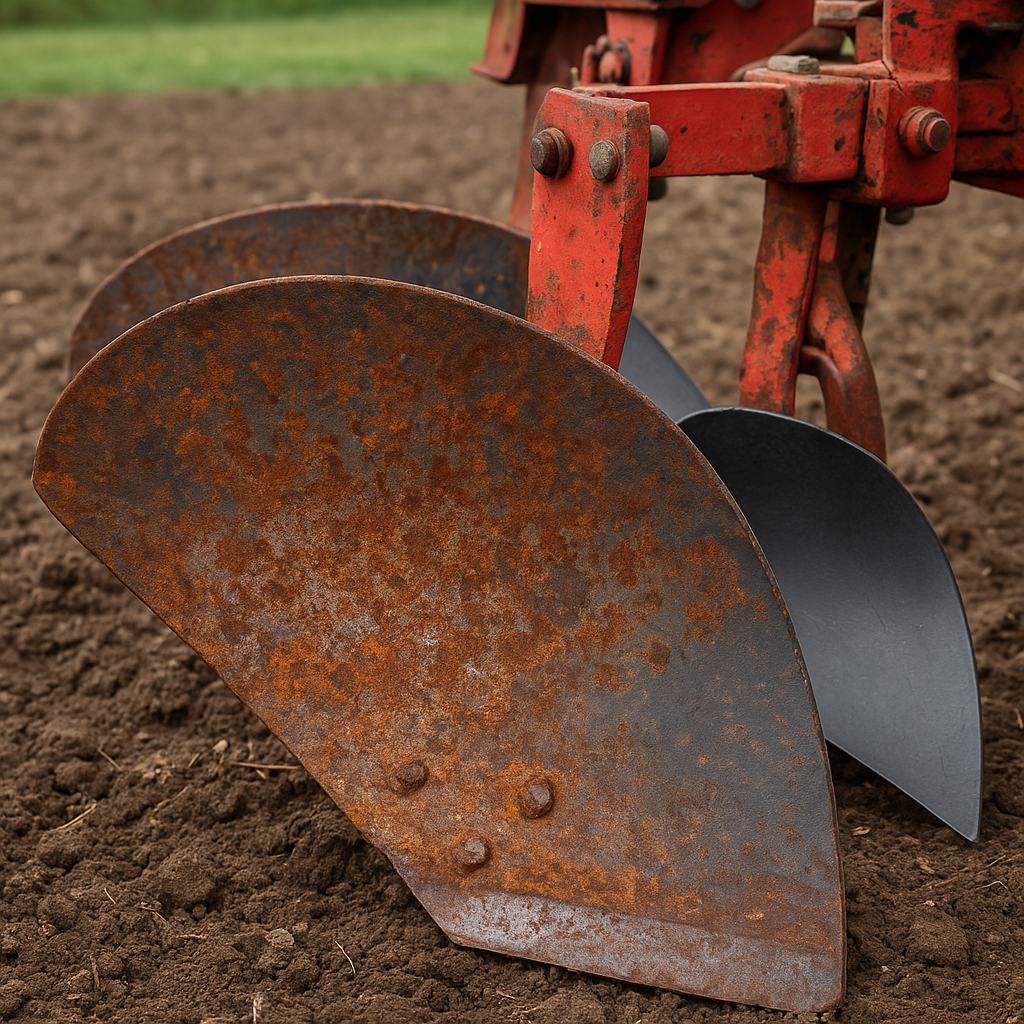
Maintaining the efficiency and lifespan of your plow blades requires more than just occasional use and basic cleaning. By understanding the factors that contribute to metal decay and taking proactive steps, you can ensure peak performance season after season. This guide explores practical strategies for preventing rust and corrosion on plow blades, offering actionable tips for every step of the process.
Understanding the Science Behind Metal Degradation
Before diving into maintenance routines, it’s essential to recognize why plow blades succumb to wear. The main culprit is oxidation, a chemical reaction between metal and oxygen that’s accelerated by moisture, salts, and acidic soils. When iron in steel combines with water and oxygen, it forms iron oxide – visible as reddish-brown rust. Over time, this layer expands and flakes off, exposing fresh metal to the environment and perpetuating the cycle of corrosion.
Key Environmental Factors
- Moisture Levels: Wet soils, rain, and snow dramatically increase oxidation rates.
- Salt Exposure: Road salt or saline soils accelerate chemical breakdown.
- pH Variations: Acidic or alkaline ground can eat away protective layers on steel.
- Temperature Fluctuations: Freezing and thawing cycles cause expansion and micro-cracks.
Types of Metal Damage
- Surface Rust: A thin, flaky layer that can be removed with light abrasion.
- Pitting Corrosion: Localized holes or cavities formed when corrosion penetrates deeply.
- Stress Cracking: Occurs under mechanical loads, worsened by corrosive environments.
Implementing a Regular Maintenance Routine
Consistency is key when it comes to extending the durability of plow blades. A well-structured maintenance schedule prevents minor issues from turning into costly repairs or replacements.
Post-Use Cleaning
- Wash Down Immediately: After each use, rinse off mud, debris, and salts with a pressure washer or garden hose.
- Scrub Away Rust Spots: Use a wire brush or steel wool to remove loose flakes of surface rust.
- Dry Thoroughly: Water left on steel accelerates oxidation. Wipe down with clean rags and allow air-drying in a ventilated area.
Inspection and Minor Repairs
- Visual Checks: Look for cracks, bent edges, or deep corrosion pits.
- Edge Sharpening: Use a grinding wheel or file to maintain a sharp blade, reducing strain on the plow frame.
- Touch-Up Coating: Apply rust-inhibiting spray or primer to bare metal areas immediately after cleaning and drying.
Lubrication and Moving Parts
While the blade itself is stationary, adjacent components like hinges, bolts, and quick-attach mechanisms benefit from regular lubrication. Apply a light machine oil or a silicone-based grease to keep joints moving freely and to add a secondary barrier against moisture intrusion.
Choosing and Applying Protective Coatings
A quality coating acts as a shield between the steel surface and harsh elements. Selecting the right product and applying it properly can significantly extend the service life of your plow blades.
Common Protective Treatments
- Paint Systems: Industrial-grade enamel or epoxy paints form a hard, colorful barrier resistant to chips and scratches.
- Powder Coating: Electrostatic application of dry powders followed by curing produces a thick, durable finish.
- Galvanizing: Hot-dip galvanization covers steel in a layer of zinc, sacrificing itself to protect underlying metal.
- Rust Converters: Chemical sprays that bond to rust and turn it into a stable, paintable surface.
- Spray-On Lubricants: Products like Teflon- or wax-based sprays provide temporary rust protection and enhanced slide performance.
Application Best Practices
For maximum adhesion and protection:
- Prep the Surface: Remove all mill scale, rust, and old paint before applying new coatings.
- Use Primer Layers: A dedicated metal primer prevents peeling and improves topcoat bonding.
- Follow Manufacturer Specs: Observe recommended temperatures, drying times, and coat thicknesses.
- Recoat Worn Areas: Inspect blades regularly and reapply coatings at the first sign of chipping or abrasion.
Seasonal Storage and Off-Season Care
When the fields are resting, your plow blades should be stored in a way that minimizes exposure to the elements and preserves their condition until the next season.
Ideal Storage Environments
- Indoor Shelters: A barn or covered shed keeps moisture, UV rays, and temperature swings at bay.
- Dry Foundations: Elevate blades on wooden blocks or pallets to ensure air circulation underneath and prevent ground dampness.
- Climate Control: If possible, maintain consistent humidity levels to avoid condensation on steel surfaces.
Pre-Storage Preparations
- Final Cleaning and Drying: Remove all traces of dirt, salt, and water.
- Apply a Protective Film: Spray a thin layer of corrosion inhibitor or light oil over the entire blade.
- Cover with Breathable Fabric: A tarp or blanket designed for equipment allows moisture to escape while blocking dust.
Practical Plowing Tips to Minimize Blade Wear
Beyond maintenance and storage, the way you operate your plow can have a major impact on blade longevity. Adopting smart plowing techniques reduces stress on metal and slows down abrasive damage.
Correct Depth and Angle
- Optimal Depth: Avoid plowing too deep in one pass, which strains the blade and hitch components.
- Adjustable Angle: Set the blade angle to glide through the soil rather than gouge aggressively.
Avoiding Foreign Objects
- Pre-Clearing Fields: Remove stones, tree roots, and debris before turning the soil.
- Slow and Steady: Reduce speed when approaching unknown ground to limit impact forces.
Routine Blade Rotation
Just like tires on a vehicle, rotating blades (if interchangeable) can equalize wear. Switch sides periodically to ensure each blade experiences uniform stress and friction.
Final Thoughts on Long-Term Blade Protection
Investing time in cleaning, inspecting, and shielding your plow blades pays off with fewer breakdowns, more efficient fieldwork, and extended equipment life. By applying these methods—using the right tools, maintaining regular care, and ensuring proper storage—you’ll keep rust and corrosion at bay and maximize your return on investment.