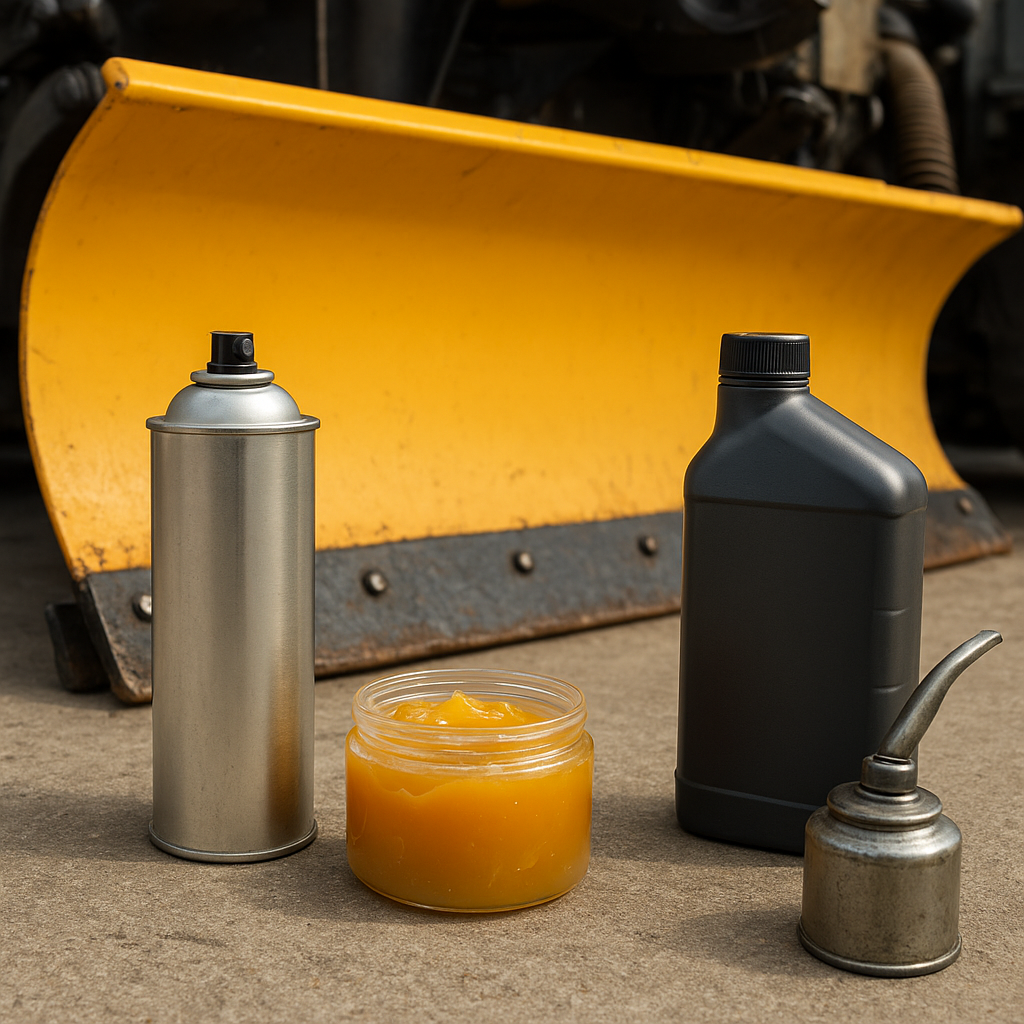
Effective plow maintenance hinges on selecting and applying the right lubricants to keep moving parts functioning smoothly, minimize wear, and extend the lifespan of your equipment. Whether you’re tackling heavy snow, muddy fields, or abrasive soils, choosing a quality product and employing best practices will make your work safer and more efficient.
Choosing the Right Plow Lubricants
Plow components face constant friction, pressure, and environmental exposure. To combat these challenges, your lubricant must deliver optimal viscosity, adhere under pressure, and resist corrosion. Below are the primary types of products you’ll encounter:
- Greases: Available in lithium, calcium, polyurea, and molybdenum disulfide blends. They offer excellent staying power on pivot points, hinges, and bearings.
- Oils: Penetrating oils and high-viscosity hydraulic oils lubricate cylinder rods, slide rails, and internal channels. They flow easily and reduce stick-slip action.
- Dry Lubricants: Graphite or PTFE-based sprays provide a non-greasy barrier against dust, dirt, and moisture.
- Anti-Seize Compounds: Containing copper or aluminum, these pastes prevent seizing and galling on bolts, nuts, and threaded connections.
Understanding Viscosity Ratings
Viscosity indicates how a lubricant flows under different temperatures and pressures. For cold climates, low-temperature oils with an ISO VG 32–46 grade work best, while warmer conditions may call for VG 68 or higher. Greases often carry an NLGI classification (000 to 6). Most plowing tasks perform optimally with an NLGI 2 grease, balancing tackiness and pumpability.
Application Techniques and Best Practices
Proper application is as crucial as selecting the right lubricant. Poor prep or haphazard spraying can lead to premature failure, increased friction, and costly downtime.
Surface Preparation
- Clean off accumulated mud, ice, or old grease with a wire brush or pressure washer.
- Remove rust flakes from exposed metal surfaces using a scraper or rust dissolver.
- Wipe down cleaned areas with a lint-free cloth or absorbent rag.
Correct Grease Application
- Use a grease gun to pump lubricant into zerks and fittings until fresh grease appears at seals.
- Apply a thin film on sliding surfaces to avoid attracting excessive debris.
- Re-lubricate hinges, shear pins, and pivot joints after every 20–30 hours of operation.
Oil and Spray Techniques
- For internal rods, apply oil until you see a thin, consistent film along the shaft.
- Hold aerosol sprays at 6–8 inches from the surface, moving in a sweeping motion to create an even coat.
- Avoid over-spraying on areas prone to collecting dust; switch to a drip-style oil can where feasible.
Maintaining Your Equipment in Harsh Conditions
Plows often operate in subzero temperatures, wet fields, or abrasive environments. A targeted maintenance strategy will maximize efficiency and reduce the risk of breakdowns when you need your plow most.
Cold Weather Considerations
- Select lubricants rated for low-temperature flow; check pour points on product data sheets.
- Use a penetrating oil spray for locks and latches to prevent freezing.
- Store hydraulic hoses indoors or insulated when overnight temps dip below freezing.
Wet and Corrosive Environments
- Choose marine-grade greases with superior water resistance and rust inhibitors.
- Apply anti-seize to key fasteners to stop galvanic corrosion between dissimilar metals.
- Rinse plow surfaces after salty or muddy operations, then reapply a protective coating.
Abrasive Soil and Debris
- Switch to high-pressure molybdenum greases that form a durable film under load.
- Inspect cutting edges, shanks, and blades daily; polish rough spots to reduce grit accumulation.
- Consider dust-off sprays on hinges to shake away soil particles before they lodge.
Common Mistakes and Troubleshooting
Even experienced operators can fall prey to errors that undermine plow reliability. Identifying and correcting these issues early saves time and safeguards against unexpected repairs.
- Over-Lubrication: Excess grease can swell seals, attract dirt, and increase rolling resistance. Apply only the recommended volume.
- Under-Lubrication: Failing to meet lubrication intervals may cause metal-to-metal contact, leading to galling or pitting.
- Wrong Product Selection: Using non-waterproof grease in wet conditions invites rust and corrosion.
- Ignoring Manufacturer Guidelines: OEMs provide tailored maintenance schedules; deviating can void warranties.
- Poor Storage Practices: Leaving greases or oils exposed to air and moisture degrades their protective additives.
Troubleshooting Tips
- If a pivot joint feels stiff, clean the area thoroughly, then apply a penetrating spray and cycle the movement until smooth.
- Leaks around hydraulic seals often indicate incompatible oils; match viscosity and additive chemistry precisely.
- A squealing hinge usually needs a switch to a higher shear-stability grease or a simple wipe-and-reapply routine.