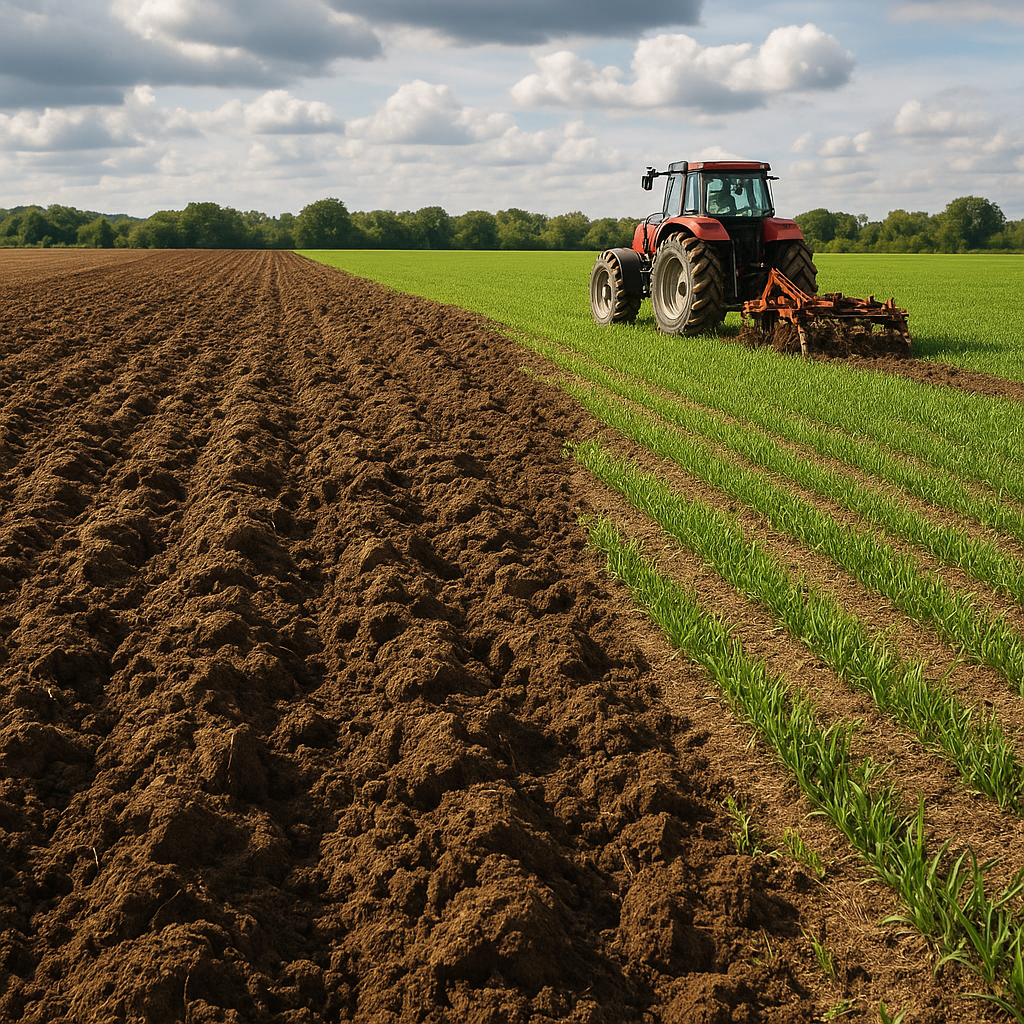
Plowing has long been a cornerstone of agricultural practice, preparing fields for the next crop cycle by turning over topsoil and burying crop residues. While this method can improve seed-to-soil contact and temporarily boost crop yields, it can also exacerbate soil degradation, increase greenhouse gas emissions, and threaten local ecosystems. By exploring alternative strategies and incorporating modern tools, farmers can maintain—or even enhance—crop productivity while minimizing their impact on the environment.
Conservation Tillage Techniques
One of the most effective ways to reduce the negative effects of traditional plowing is to adopt conservation tillage methods. These approaches aim to disturb the soil as little as possible, preserving structure, retaining moisture, and protecting the surface from erosion.
No-Till and Strip-Till Approaches
No-till systems leave the soil undisturbed except for small slits in which seeds are deposited. This method drastically reduces erosion and improves water infiltration. Strip-till, on the other hand, tills narrow strips where seeds are planted, maintaining undisturbed zones in between. Both systems offer:
- Enhanced moisture retention in the topsoil
- Improved populations of beneficial soil organisms
- Lower fuel and labor costs
Reduced Tillage Rotation
By alternating between shallow tillage and deeper tillage across seasons, farmers can balance soil aeration needs with conservation goals. A typical rotation might involve:
- Year 1: No-till or strip-till planting
- Year 2: Deep tillage to alleviate compaction
- Year 3: Shallow disk harrowing to incorporate residues
This sequence maintains soil structure and prevents the buildup of hardpans.
Optimizing Soil Health
Healthy soil is the foundation for resilient and productive agriculture. Rather than relying solely on mechanical soil turning, integrating biological and chemical practices can foster long-term fertility.
Cover Crops and Green Manures
Planting cover crops—such as clover, rye, or vetch—during fallow periods replenishes nutrients, reduces weed pressure, and promotes organic matter accumulation. When terminated at the right stage, these green manures provide a mulch layer that suppresses erosion and moderates soil temperature.
Organic Amendments and Composting
Incorporating compost or well-decomposed manure can rapidly increase soil biodiversity and improve aggregate stability. Key benefits include:
- Enhanced water-holding capacity
- Gradual nutrient release, reducing leaching
- Stimulated populations of earthworms and beneficial microbes
Soil Testing and Nutrient Management
Relying on blanket fertilizer applications can lead to nutrient runoff and waterway eutrophication. By conducting regular soil tests, farmers can:
- Identify specific deficiencies in nitrogen, phosphorus, and potassium
- Apply targeted amendments to correct imbalances
- Optimize input use efficiency and reduce costs
Equipment and Technological Innovations
Advancements in machinery and digital tools offer new pathways to reduce the environmental footprint of plowing and tillage operations.
Precision Tillage Implements
Modern plows and cultivators equipped with GPS-guidance ensure that tillage only occurs where necessary. These precision implements can:
- Adjust depth and width in real time
- Avoid overlaps that waste fuel
- Preserve unneeded strips of vegetation
Autonomous and Electric Machinery
Electric tractors and unmanned ground vehicles (UGVs) can perform tillage with lower emissions and reduced soil compaction due to lighter chassis designs. Benefits include:
- Quiet operation, reducing noise pollution
- Elimination of diesel fumes in the field
- Potential integration with solar-charged battery systems
Data-Driven Soil Monitoring
Soil moisture sensors, remote sensing via drones, and in-field nutrient probes enable farmers to make informed decisions. By analyzing this data, they can:
- Schedule tillage only when soil is sufficiently dry
- Avoid unnecessary passes that compact wet soil
- Monitor long-term trends in resilience and fertility
Integrated Pest and Weed Management
Excessive tillage can disrupt natural predator-prey dynamics, leading to pest outbreaks and herbicide-resistant weeds. Integrating non-chemical tactics alongside reduced plowing can help manage these challenges.
Biological Control Agents
Beneficial insects, nematodes, and microbial bio-pesticides can suppress crop pests without resorting to deep soil turnover. These biological controls:
- Maintain ecological balance
- Reduce reliance on synthetic pesticides
- Support pollinator health
Cultural and Mechanical Weed Control
Instead of deep plowing to bury weeds, consider:
- Inter-row cultivation to sever young weeds
- Flame weeding for targeted thermal control
- Mulching with straw or wood chips to suppress germination
Best Management Practices for Sustainable Plowing
While eliminating plowing entirely may not be feasible for every operation, combining multiple strategies can lead to significant environmental gains without sacrificing productivity.
- Plan Field Layout Carefully: Use contour farming to reduce runoff on slopes.
- Monitor Soil Conditions: Delay tillage until optimal moisture levels are reached to prevent compaction.
- Rotate Crops Strategically: Break pest cycles and maintain soil cover in alternate seasons.
- Adopt Cover Crops: Integrate legumes and grasses to fix nitrogen and protect the surface.
- Leverage Technology: Employ GPS-guided implements and soil sensors to minimize unnecessary disturbance.
Transitioning to a more sustainable plowing regimen not only conserves resources and reduces greenhouse gas emissions but also enhances long-term farm viability. By blending traditional knowledge with cutting-edge technology and ecological principles, farmers can foster healthier soils, more robust crops, and a brighter future for agricultural landscapes.