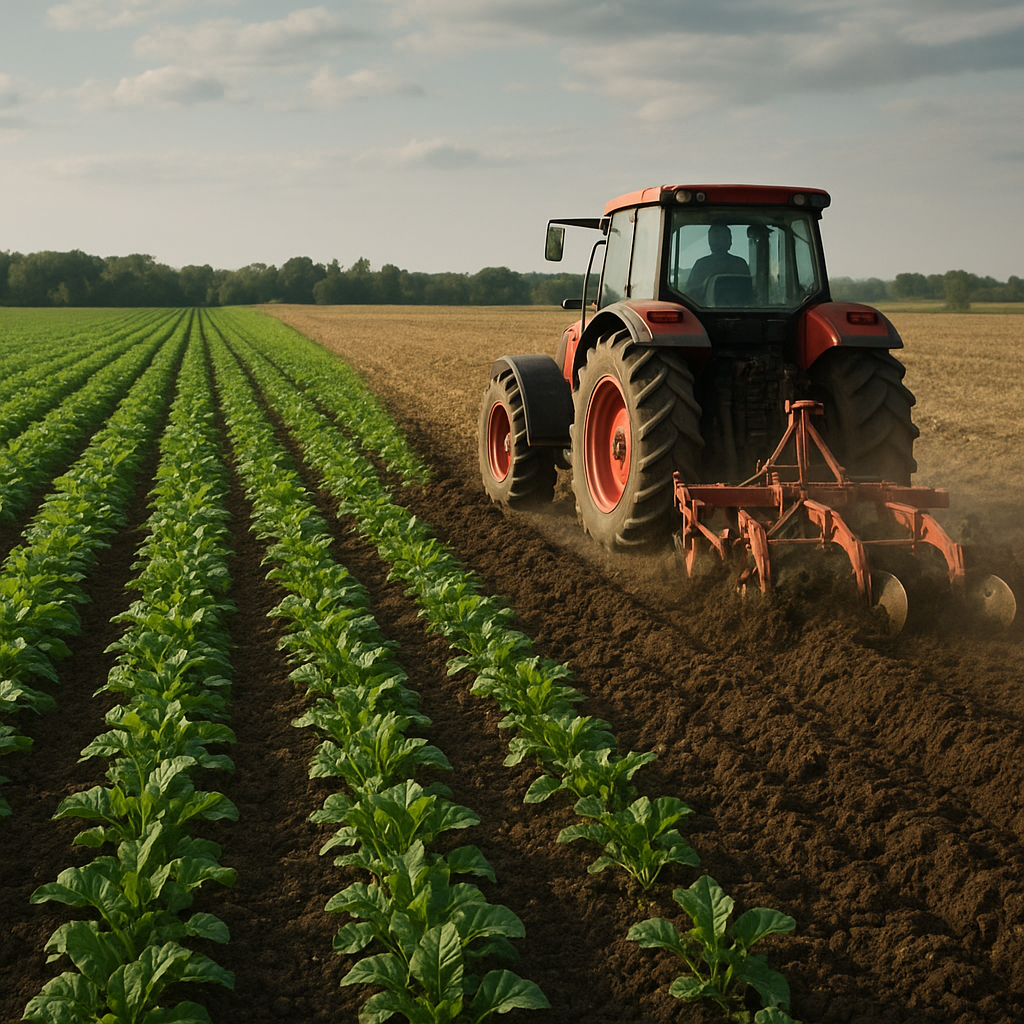
Proper management of agricultural land often hinges on two critical elements: **field rotation** and the precise **timing** of **plowing** operations. By combining these practices, farmers can significantly enhance **soil** fertility, reduce **pest** pressure, and boost overall **crop productivity**. In this article, we explore proven strategies and practical tips to help you optimize your fields for sustainable, long-term success.
Crop Rotation Strategies for Optimal Soil Health
Implementing a well-designed crop rotation plan is one of the most effective ways to maintain and improve soil quality. Instead of planting the same crop year after year, rotating different families of plants can break pest and disease cycles, restore essential **nutrients**, and promote robust root structures.
Choosing Diverse Crop Families
- Legumes (peas, beans) fix atmospheric nitrogen into the **soil**, reducing the need for synthetic fertilizers.
- Brassicas (mustard, canola) help manage soil-borne **pathogens** and suppress weed growth.
- Cereals (wheat, barley) provide bulk residue that improves soil **structure** and organic matter content.
By rotating among these groups, you create a dynamic environment that encourages beneficial microorganisms and prevents any single pathogen or insect from dominating the field.
Timing Your Plowing for Maximum Efficiency
Effective plowing isn’t just about breaking up the ground: proper timing can make the difference between a thriving field and one plagued by **compaction** and **erosion**.
Spring vs. Autumn Plowing
- Spring plowing allows you to work fields once the frost has melted and soils are more friable. It also incorporates crop residues quickly, reducing surface crusting.
- Autumn plowing gives the soil more time to undergo natural freeze-thaw cycles, which further break down clods and improve infiltration. However, avoid plowing too late to prevent plow pans from forming under heavy rainfall.
Moisture and Soil Consistency
Before heading into the field, perform a simple squeeze test: gather a handful of soil and compress it. If it crumbles easily, you’re ready to plow. If it forms a sticky ball, wait for better drying conditions. Proper moisture levels ensure the plow can penetrate without causing deep compaction layers that hinder root growth and reduce water retention.
Techniques to Enhance Soil Structure and Moisture Retention
Beyond rotation and timing, the method and depth of plowing play vital roles in preserving the delicate balance of soil ecosystems.
Conservation Tillage Methods
- Reduced-till systems disturb only the surface, leaving deeper layers intact. This minimizes erosion and greenhouse gas emissions.
- Strip-till targets narrow bands where seeds will be placed, while the rest of the field remains undisturbed, combining the benefits of no-till residue cover with the seedbed preparation of conventional tillage.
Depth and Angle of Cut
Set your plow to a depth of 15–25 centimeters depending on soil type and crop needs. A shallower cut preserves more organic matter near the surface, while a deeper cut can alleviate severe compaction. Adjust the blade angle to achieve a fine tilth without over-inverting the soil layers, which can bring weed seeds to the surface.
Environmental and Economic Benefits
Incorporating rotation and timely plowing yields advantages that extend beyond immediate yield increases.
- Sustainability: Healthier soils require fewer chemical inputs, protecting water quality and reducing greenhouse gas footprints.
- Cost savings: Lower fertilizer and pesticide use translate to direct financial benefits.
- Resilience: Balanced soil ecosystems are better equipped to withstand drought, heavy rains, and temperature extremes.
Field rotation and proper plowing timing are cornerstone practices for modern agriculture. By understanding the interplay between crop sequences, soil moisture, and tillage methods, you can foster a productive and resilient farming system that supports both your bottom line and the environment.