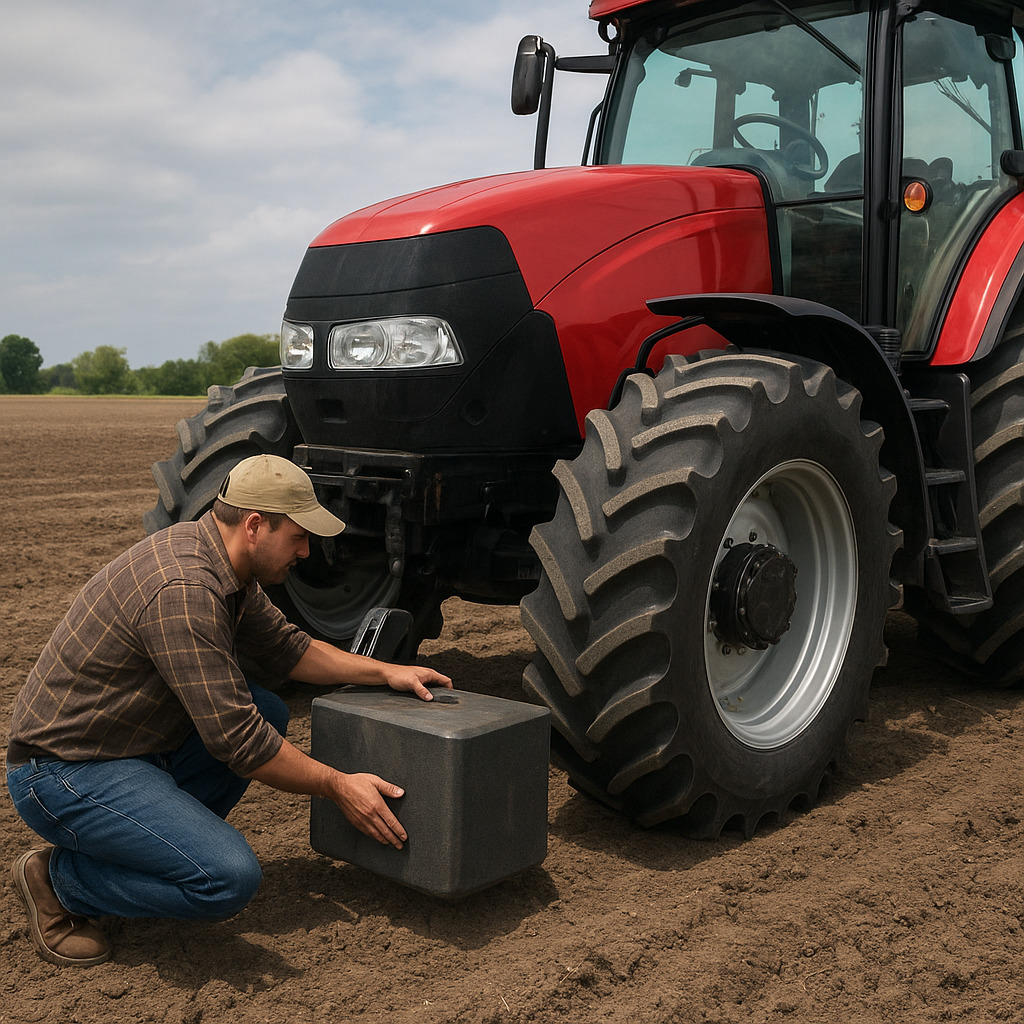
Proper adjustment of tractor ballast is a critical factor in achieving optimal efficiency in plowing operations. By fine-tuning the weight distribution, you can significantly enhance traction, reduce unnecessary soil compaction, and improve overall performance in the field. This guide offers practical insights and actionable advice for farmers and operators seeking better balance and consistency during plowing tasks.
Understanding Ballast Types and Their Roles
Ballast refers to additional weight added to a tractor to improve its stability and traction. There are several common forms:
- Wheel Weights: Heavy cast-iron or steel weights that attach directly to the wheel rims to increase downward force on the ground.
- Front Ballast: Lead or steel blocks mounted at the front of the tractor, often near the front axle or loader frame, to counteract the rear-mounted implements.
- Rear Ballast: Fluid or cast weights installed in the rear rims or on three-point hitch arms, balancing implements that lift the front end.
- Fluid Ballast: Water or oil added to tire cavities, offering a flexible, budget-friendly way to change weight distribution.
Each type of ballast serves a specific purpose. Front ballast prevents the front wheels from lifting when pulling heavy plows, while rear ballast enhances traction on the drive wheels and helps maintain consistent furrow depth.
Optimizing Weight Distribution
Achieving the correct weight distribution is essential for efficient plowing. Under-ballasting can lead to wheel slip and uneven tillage, whereas over-ballasting increases fuel consumption and causes excessive soil compaction. Aim to balance the loads between front and rear axles to achieve around a 45:55 to 50:50 weight distribution, depending on tractor size and plow type.
Step-by-Step Ballast Adjustment
- Park the tractor on level ground and lower all implements to the ground to measure base weights.
- Use a portable scale or static weight pads under each wheel to record front and rear axle weights.
- Determine the ideal distribution ratio based on manufacturer recommendations and plow design.
- Add wheel weights or fluid ballast incrementally, then re-weigh to confirm progress toward target.
- Test in the field: Observe slip rate, steering effort, and plow draft. Fine-tune by adding or removing ballast.
Ensure that all weights are properly secured to prevent shifting during field operations.
Enhancing Traction and Reducing Slippage
Excessive slippage not only wastes fuel but also damages the soil structure. Proper ballast adjustment is only one piece of the puzzle; tire selection and inflation pressure also play a significant role.
Tire Management
- Choose tires with aggressive lug patterns designed for field work. Deep-lug tires offer better grip in soft soil, while bar-tread tires excel in firmer ground.
- Maintain correct inflation pressures. Overinflation reduces tire contact area, while underinflation can lead to rim slip and tire damage.
- Consider using dual tires or triple spacers for increased contact patch and weight support.
For maximum stability, ensure each tire carries a proportionate share of the load. Mismatched tire pressures can create an uneven footprint, undermining ballast benefits.
Adapting Ballast to Various Soil Conditions
Soil texture has a direct impact on traction needs. Sandy soils require more weight to penetrate, while clay soils can become sticky, causing draft increase. Here’s how to adjust:
- In sandy or loose soils, rely on additional rear ballast to maintain consistent plow depth.
- In heavy clay, keep a moderate amount of front ballast to avoid excessive draft increase but watch for soil buildup under the tractor belly.
- In wet fields, reduce ballast slightly to prevent sinking but retain enough weight to avoid wheel spin.
Monitor field conditions throughout the season; what works in spring may need revision by autumn.
Implement-Specific Ballast Tips
The type of plow and its mounting style affect ballast requirements:
- Moldboard Plows: These require substantial front ballast to counteract the lifting force. Start with a 50:50 distribution and adjust for draft.
- Chisel Plows: Generate less lift, so less front weight is needed. Ensure the rear axle has sufficient weight to prevent wheel spin.
- Disc Plows: Primarily rely on rolling discs, so maintain balanced weight for even disc penetration.
- Mounted vs. Trailing Implements: Mounted plows transfer draft forces directly to the tractor; trailing plows push against the drawbar. Adjust ballast to keep drawbar pull within the tractor’s rated limits.
Safety and Maintenance Considerations
Proper ballast installation and upkeep are vital for both safety and longevity of your equipment:
- Securely fasten all weights using manufacturer-approved brackets and hardware.
- Regularly inspect for cracks or damage in cast weights, welds, and mounting points.
- Check tire pressure monthly and after any substantial weight adjustment.
- Ensure hydraulic systems remain leak-free; additional ballast places more stress on rams and seals.
- Be mindful of visibility and maneuverability: Excessive front ballast may hamper turning radius.
Advanced Ballast Strategies
Experienced operators often use dynamic ballast techniques to match varying field demands.
Liquid-to-Solid Ballast Mixture
Combine liquid ballast with cast weights for flexible control. Fill tires with oil in the morning when cool, then add cast weights later in the day for maximum downward force during warm soil conditions.
Adjustable Rear Linkage Weights
Mount quick-attach ballast blocks on the three-point hitch for rapid ballasting changes. This allows you to modify weight distribution on the go between different field sections.
Front Loader Counterweights
Use the front loader as a ballast system by installing weighted blocks on the loader arms. These can often be hydraulically lifted to adjust the center of gravity, offering real-time balance adjustments while plowing near boundaries or around obstacles.
Key Takeaways
- Proper ballast improves traction and stability while reducing soil compaction.
- Balance front and rear axle weights for consistent plowing depth.
- Adapt ballast levels to soil type, moisture, and implement design.
- Combine tire management with ballast strategies for best results.
- Regular maintenance safeguards both operator safety and equipment life.