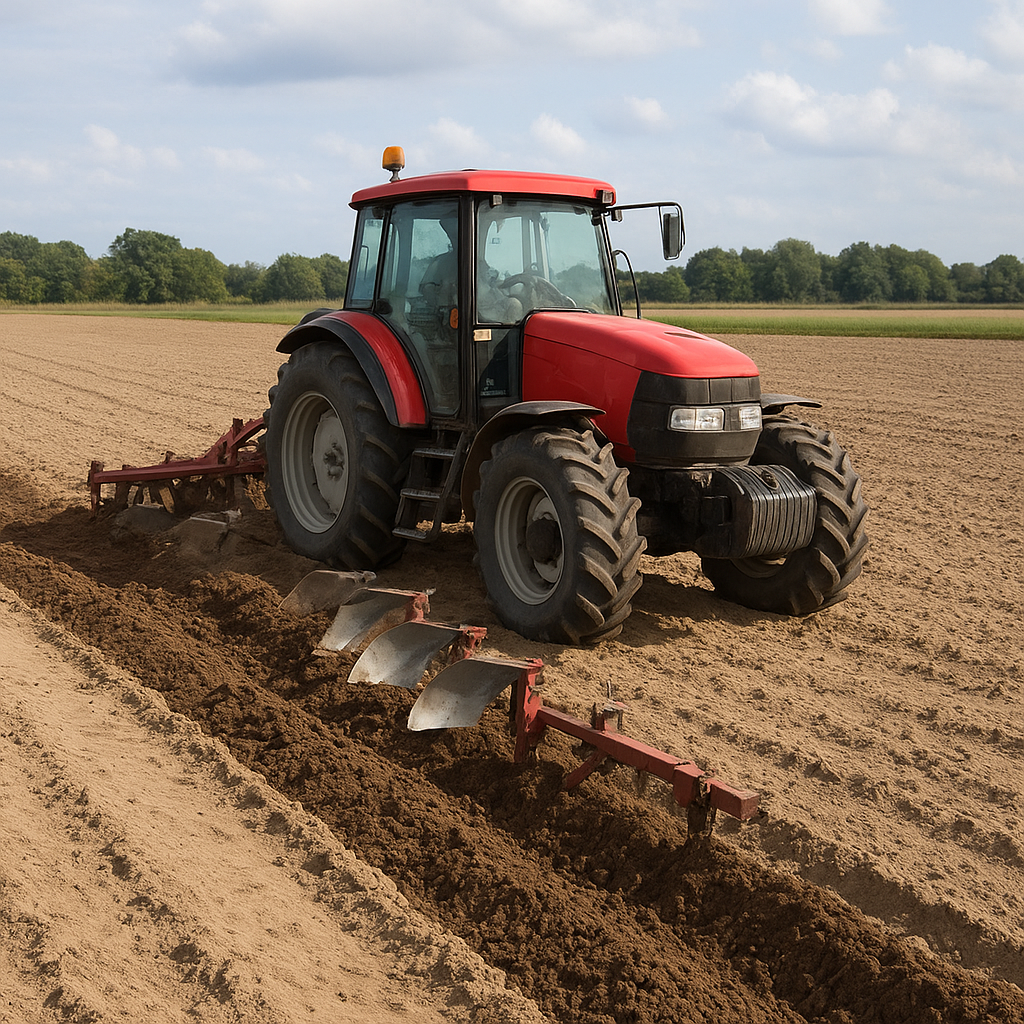
Managing plowing depth on light soil requires a blend of technical know-how and hands-on experience. This guide explores key factors that influence plow performance and soil health, offering practical hints to ensure you never dig too deep. You’ll learn to fine-tune your equipment, read field conditions, and maintain uniformity across each pass.
Understanding Light Soil Characteristics
Before making any adjustments, it’s vital to recognize the traits that set light soils apart. Typically high in sand content, these soils drain rapidly and resist compaction—but they can also suffer from instability if plowed too deep.
- Soil texture and composition: Light soils have larger particles and more pore space, affecting how implements move through the ground.
- Moisture variations: They dry faster, so timing your plow passes to match ideal moisture content is crucial for controlling depth.
- Root zone sensitivity: Crops rely on a shallow root zone in these conditions; over-tillage can disturb nutrient layers and harm yields.
Key Takeaways
Light soils demand precise depth control to avoid ripping below the nutrient zone or causing unnecessary soil disruption. Paying attention to surface dryness and texture will inform every decision from tractor speed to plow angle.
Adjusting Equipment Settings Correctly
The calibration of your tractor and plow is the most direct way to manage depth. Minor tweaks in hitch height or beam angle can mean the difference between a smooth turn and an inadvertent trench in the field.
- Hitch position: Keep the top link angle such that the plow shares meet the soil at the desired shallow depth.
- Plow wheel height: Raising the gauge wheels slightly reduces penetration, preventing you from cutting too deeply.
- Beam or frame tilt: On multi-furrow plows, adjust the lateral tilt to ensure even depth across all furrows.
Practical Adjustment Steps
Start with the tractor on a level surface, lift the plow off the ground, and note the default hitch settings. Lower to working position and measure the share depth from the surface. If it’s deeper than your target—often around 6–8 inches on light soil—raise the gauge wheels or shorten the top link.
Field Techniques for Optimal Depth
Even with perfect equipment settings, field methods play a huge role. These tactics help retain uniform depth and protect soil structure.
- Tractor speed: Maintain a steady pace. Rapid acceleration or deceleration can cause the plow to dig in or come up too quickly.
- Consistent cutting angle: Keep your steering smooth. Sharp turns or uneven guidance lead to depth variations.
- Parallel passes: Overlap each furrow lightly to prevent any strips from being cut too deep.
Monitoring During Operation
Pause after the first few furrows to inspect the cut depth. Use a ruler at multiple points along the furrow to verify consistency. Adjust your settings or driving technique immediately if you notice inconsistency.
Routine Maintenance and Monitoring
Ensuring your equipment remains in peak condition reduces the risk of unintended deep cuts. Maintenance tasks should be scheduled regularly and include:
- Checking wear on shares and mouldboards—worn edges can dig irregularly.
- Greasing pivot points to preserve smooth operation and precise angle control.
- Inspecting gauge wheels for flat spots that can alter ride height.
Data-Driven Adjustments
Modern plows may have depth sensors or GPS integration. Use these tools to gather real-time feedback. Within your tractor’s display or external monitor, watch for any drift from your target depth and make immediate adjustments.
Advanced Tips for Light Soil Success
Farmers seeking the highest efficiency and crop performance can incorporate additional strategies:
- Soil moisture testing: Carry a portable probe to confirm ideal plowing conditions before starting.
- Alternative implements: Consider a shallow disc harrow or chisel plow first to break residue without deep inversion.
- Cover crops: Planting winter rye or clover can improve soil structure, making control easier in the next season.
Leveraging Technology
GPS guidance systems allow for micro-adjustments across variable terrain. Pair them with auto-depth control to maintain the traction and float needed on light ground without sacrificing uniform furrow depth.
Ensuring Long-Term Soil Health
Proper plowing depth isn’t just about the current season’s ease—it influences soil ecology and structure over years. Light soils benefit from minimal disturbance:
- Rotate shallow and deep tillage based on crop needs.
- Integrate compaction relief passes with subsoilers when deeper aeration is necessary.
- Maintain organic matter through mulching or cover crop residues to cushion the impact of plow shares.
Continuous Improvement
Keep records of your settings, field conditions, and results. Compare yield data to refine your plowing strategy, ensuring every new season builds on past successes in depth control and overall soil management.