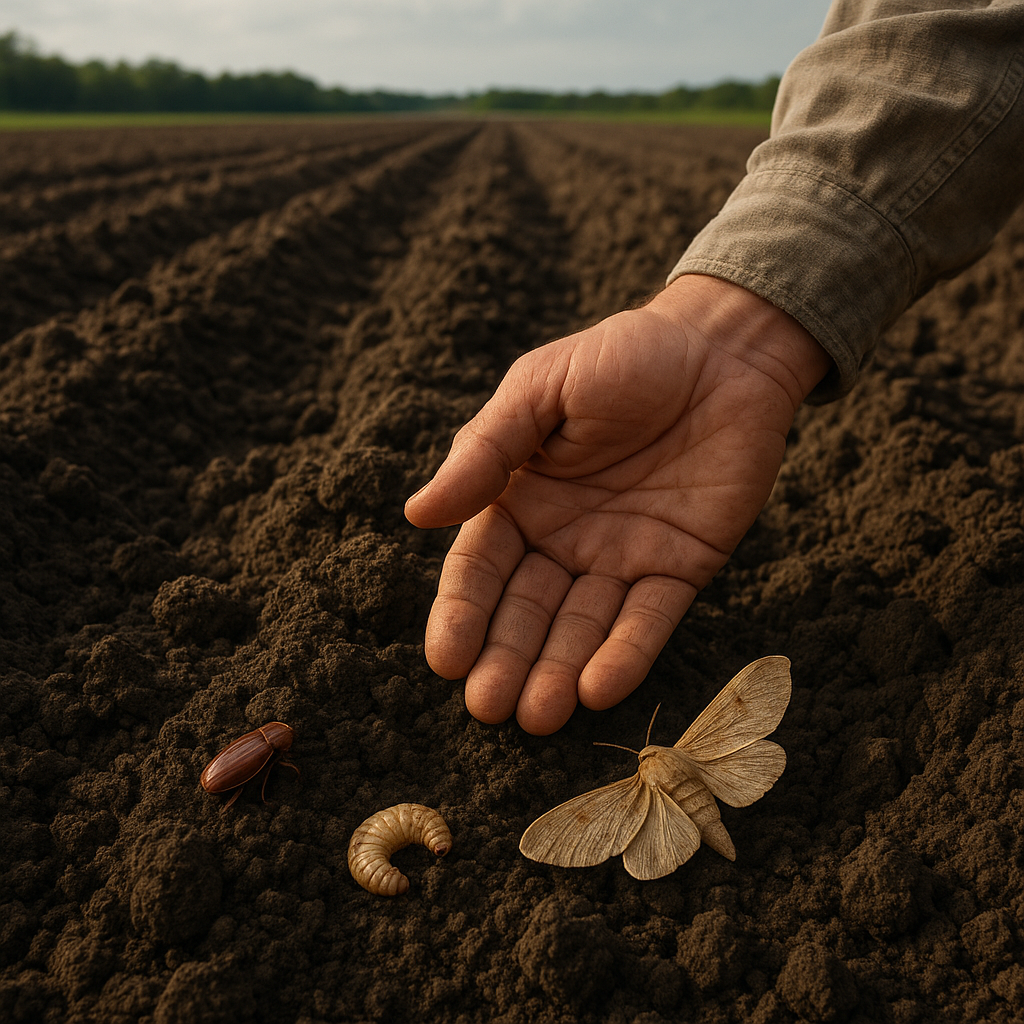
Plowing transforms fields, loosening compacted layers and incorporating organic matter into the soil. However, this crucial operation often disturbs overwintering insects, weed seeds, and fungal spores, creating the perfect environment for pests to flourish. By understanding the dynamics that follow plowing and implementing strategic measures, farmers can protect their crops and maintain healthy soils.
Understanding Post-Plowing Pest Dynamics
Disturbance Effects on Pest Populations
When soil is turned over, it disrupts the existing habitat and can accelerate the emergence of subterranean pests. Larvae, grubs, and eggs that were once buried deep may surface, ready to feed on tender roots. Meanwhile, weed seeds come into closer proximity to sunlight and moisture, triggering germination events that compete with crops for nutrients.
Microclimate Changes and Pest Behavior
- Increased soil moisture retention in freshly plowed furrows can favor slug and snail activity.
- Higher daytime soil temperatures may promote the rapid development of certain insect larvae.
- Reduced canopy cover exposes pests to predators but also stresses young seedlings, making them more vulnerable.
Preventive Strategies to Minimize Pest Infestations
Crop Rotation and Diversity
Implementing strategic crop rotation interrupts pest life cycles by removing their preferred food source. Alternating between cereals, legumes, and brassicas reduces populations of specialist feeders. Adding non-host crops to the sequence can further starve out pest cohorts.
Use of Cover Crops and Green Manures
Planting cover crops such as clover or rye after the main harvest can suppress weeds and improve soil structure. Cover roots exude compounds that deter root-feeding insects. Terminating these covers at the right time prevents potential pest buildup while retaining organic matter for the next cash crop.
Encouraging Beneficial Organisms
Fostering populations of beneficial insects such as ladybugs, lacewings, and predatory ground beetles can deliver natural pest suppression. Introducing flowering strips or beetle banks next to fields supplies nectar and shelter, encouraging predators to remain close to plowed areas.
Effective Control Methods After Plowing
Mechanical Control Techniques
- Mechanical control through secondary tillage (harrowing, rotary hoes) can expose pests to predators and desiccate eggs.
- Using narrow tine implements disturbs surface-dwelling insects without further compacting deeper soil layers.
- Flame weeding targets germinating weed seedlings before they establish robust root systems.
Chemical Control Options
When pest pressure exceeds economic thresholds, chemical control may be necessary. Choose products with selective action to minimize harm to non-target organisms. Always follow label instructions for dosage and application timing to ensure efficacy and reduce environmental impact.
Biological Control Measures
Deploying biopesticides, such as entomopathogenic nematodes or microbial agents like Bacillus thuringiensis, offers targeted action against soil-dwelling larvae. These biologicals degrade quickly, leaving no harmful residues and preserving soil health.
Monitoring and Ongoing Management
Regular Field Scouting
Consistent monitoring is crucial for early detection of pest outbreaks. Use pitfall traps and soil cores to sample grub densities. Visual inspections of seedlings will reveal early signs of feeding damage, allowing for prompt intervention.
Data-Driven Decision Making
Implement an integrated pest management (IPM) approach by combining scouting data with weather forecasts and pest prediction models. Threshold-based spraying or mechanical interventions ensure resources are applied only when and where they are truly needed.
Maintaining Soil Health for Long-Term Control
Healthy soils with balanced organic matter and beneficial microbe populations naturally suppress pest outbreaks. Practices such as reduced tillage, cover cropping, and organic amendments build resilient systems less prone to severe pest pressure.