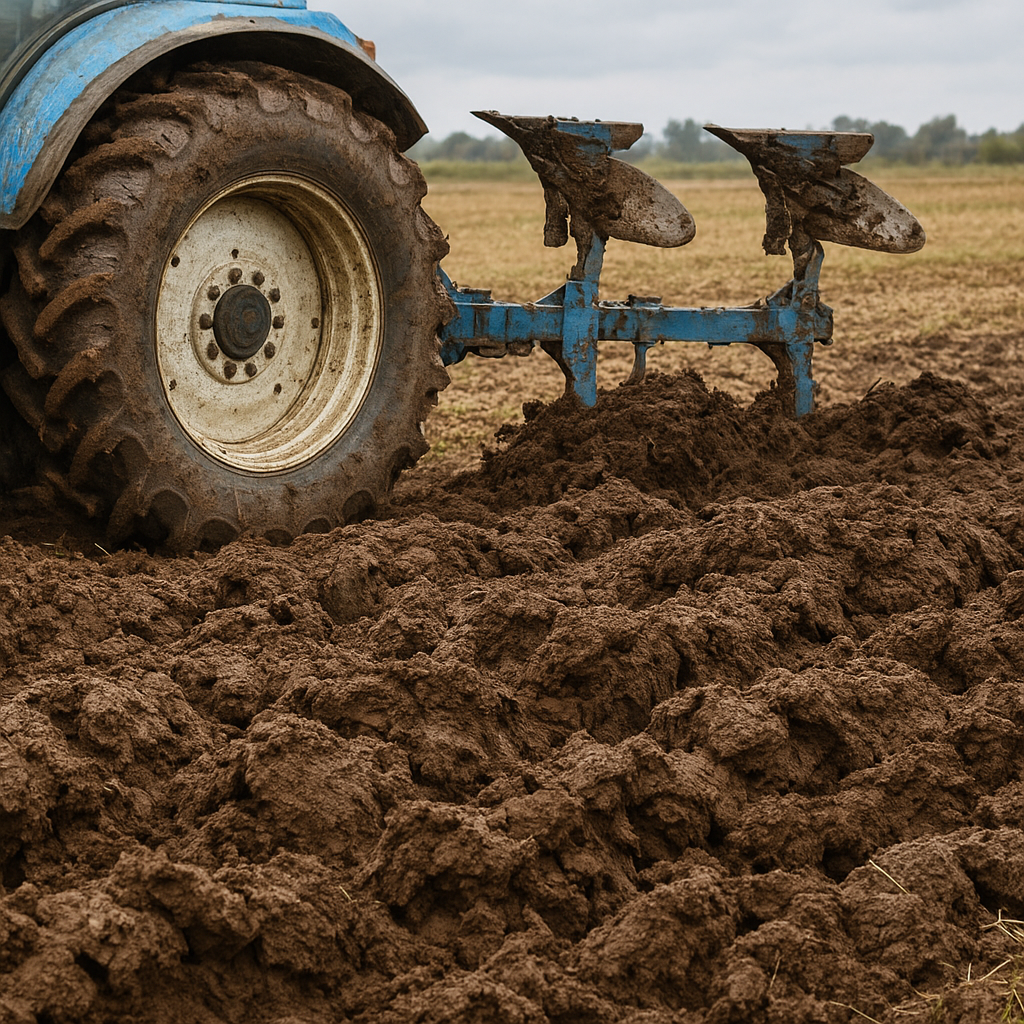
Plowing through soil that clings and compacts can transform a routine field preparation into a daunting task. Sticky soil, often heavy in clay and high in moisture, tends to build up on plowshares and moldboards, reducing efficiency and increasing fuel consumption. By understanding the factors at play and adopting targeted strategies, farmers and operators can keep blades clean, improve furrow quality, and prolong the life of their equipment. This guide covers essential tips for handling sticky soil while plowing.
Understanding Sticky Soil Properties
Sticky soil is primarily characterized by a high clay content and elevated moisture levels that promote adhesion. When saturation exceeds the soil’s field capacity, particles bond around metal surfaces, forming dense clumps. Key factors include:
- Soil texture: Soils with over 40% clay exhibit the greatest stickiness, as microscopic plate-like particles interlock when wet.
- Moisture: Wet conditions—following heavy rain or inadequate drainage—amplify the problem. A soil’s plastic limit marks the threshold beyond which it behaves like putty.
- Organic residue: Crop stubble and roots mixed into the plow layer can combine with clay to form tougher coatings that resist shedding.
Understanding these properties allows operators to choose the right timing and methods for effective plowing, reducing downtime and preventing soil compaction.
Preparing Your Equipment
Proper preparation can make the difference between a seamless operation and constant stoppages. Follow these practices before heading to the field:
- Assess blade condition. Ensure moldboards, plowshares, and disc coulter edges are sharp. Dull edges encourage accumulation rather than slicing through sticky layers.
- Apply anti-stick treatments. Spraying a thin coat of water-repellent agents or high-grade lubrication on contact surfaces can reduce friction and facilitate soil shedding.
- Adjust plow angle. A steeper moldboard angle can help invert sticky clods and clear the blade more effectively, though it may require increased draft force.
- Check tractor hydraulics and hitch settings. Consistent depth control prevents frequent fluctuations that encourage soil build-up.
- Use appropriate tire pressure. Lowering tire pressure slightly improves traction in slick conditions, reducing wheel spin and unnecessary soil disturbance.
Techniques for Plowing Sticky Soil
Even with ideal preparation, specific in-field methods are crucial to maintain smooth operation.
Timing and Moisture Management
- Delay plowing until the soil moisture nears its plastic limit but remains below the liquid limit, when the soil is too watery to support weight.
- Use a penetrometer or simple jar test to gauge moisture content over the topsoil depth.
- Consider temporary drainage solutions, like shallow ditches or tile drain outlets, in fields prone to waterlogging.
Depth and Speed Adjustments
Two critical variables—plow depth and tractor speed—should be fine-tuned:
- Shallower passes prevent deep, heavy clods from clinging to the share. Gradually increase depth once the soil surface appears cleaner.
- Maintain a consistent forward speed. Excessive pace delivers insufficient separation, while too slow encourages excessive compaction on the share.
Using Cover Crops and Organic Amendments
Building soil structure over time reduces long-term stickiness:
- Plant deep-rooted cover crops such as radish or turnips to break up clay pans and improve infiltration.
- Incorporate organic matter like compost or well-aged manure to enhance soil aggregation, leading to a more crumbly tilth.
Advanced Implement Configurations
For particularly tenacious soils, specialized attachments can improve performance.
Disc Coulters and Coulter Frames
Installing a front-mounted disc coulter helps slice residue cleanly and pre-breaks sticky layers before they reach the moldboard. Adjust coulter pressure so it cuts just below the residue zone without clogging.
Moldboard and Share Coatings
Hard-facing or ceramic coatings can create a slick surface, preventing soil buildup. When selecting a coating, ensure it bonds compatibly with your plow’s steel alloy.
Anti-Clog Rollers and Scrapers
Some modern plows feature rotating rollers that knock off clods before they accumulate. Likewise, scrapers mounted near the share can continuously clear small amounts of soil, reducing large blockages.
Post-Plowing Maintenance
After completing a pass in sticky conditions, immediate upkeep prevents downtime later in the day:
- Wash down implements with a high-pressure washer. Removing all residual clay before it dries stops hard crusts from forming.
- Inspect for wear points. Sticky soil accelerates abrasion on edges and welds, so carry spare bolts and wear plates for field repairs.
- Reapply anti-stick spray or lubricant to all active surfaces prior to the next use.
- Store plows in a dry, sheltered location to avoid rust formation on freshly cleaned metal parts.
Troubleshooting Common Problems
- Excessive soil build-up despite lubrication: Verify you applied the correct type of repellent and that the moldboard angle aligns with the intended soil type.
- Uneven furrows: Check hitch leveling bars and depth wheel positions. Adjust side-to-side for consistent trench width.
- Plow bogging down: Reduce working depth or increase tractor ballast. Overloading the tractor can stall the system and damage components.
By integrating these strategies—timely operations, careful adjustments, and diligent maintenance—you can transform sticky soil from a formidable obstacle into just another manageable condition. Over time, these practices will optimize field efficiency, reduce wear, and maintain soil health for robust crop growth.