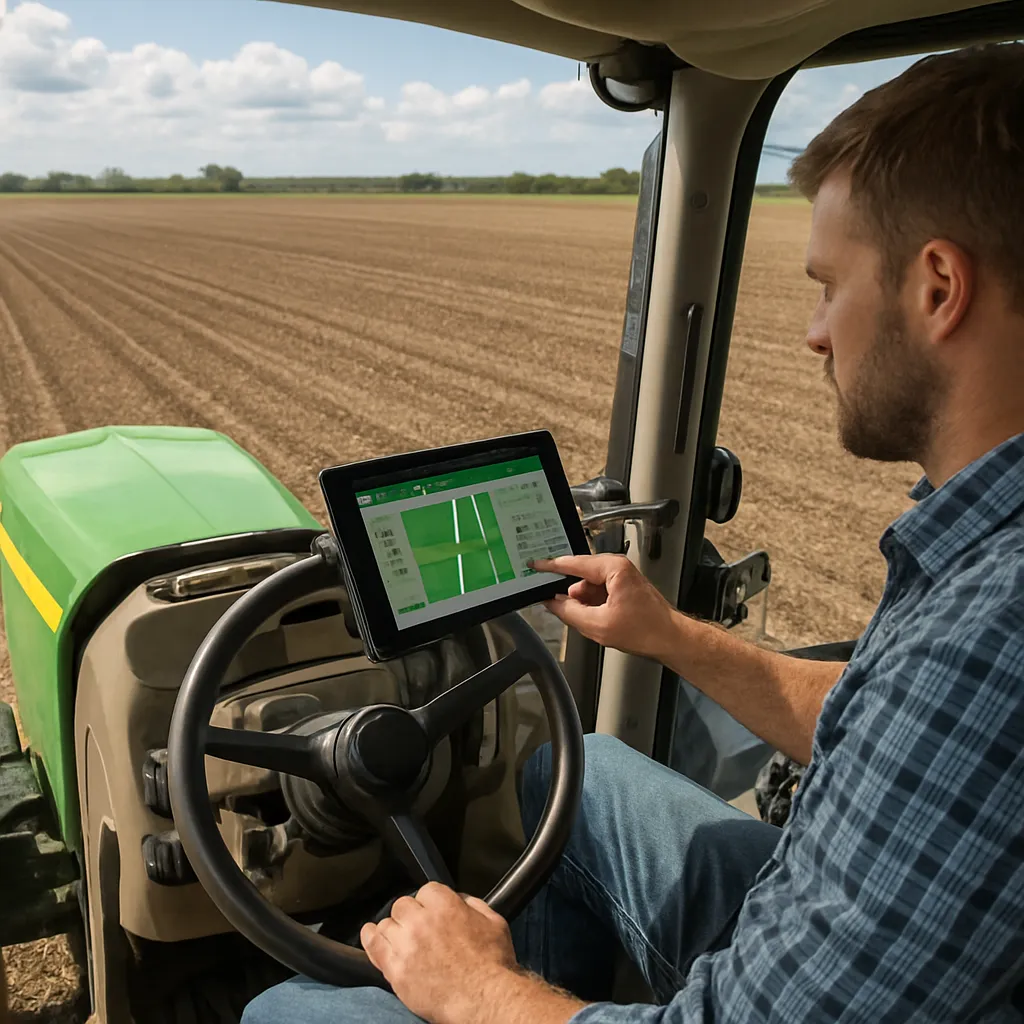
Integrating auto-steer technology into modern plowing operations can revolutionize field work, delivering consistent furrow patterns, reducing operator fatigue, and maximizing overall efficiency. By leveraging satellite GPS guidance and real-time sensor feedback, farmers can achieve unparalleled precision in soil management. This article explores best practices for selecting, calibrating, and maintaining an auto-steer system to optimize plowing performance in diverse field conditions.
Selecting the Right Auto-Steer System
Choosing the ideal auto-steer setup requires careful evaluation of your farm’s scale, existing equipment, and budget constraints. Matching the right hardware and software components ensures seamless integration with your tractor and plow.
Assessing Compatibility
- Tractor Integration: Verify that your tractor’s hydraulic, electrical, and CAN-bus connections are compatible with the chosen guidance console.
- Plow Attachment: Confirm mounting points and weight specifications to prevent undue stress on the frame or hitch.
- Signal Strength: Evaluate regional GPS coverage and consider augmenting with Satellite-Based Augmentation Systems (SBAS) or RTK networks for sub-inch accuracy.
Feature Comparison
- Accuracy Levels: Standard WAAS accuracy (~15–30 cm) versus RTK accuracy (<2.5 cm).
- Guidance Patterns: Straight line, contour following, custom headland passes, and pivot mode support.
- Turn Compensation Modules: Automate steering corrections during headland turn sequences to maintain constant overlap.
Calibration and Field Setup
Proper calibration is the cornerstone of precise auto-steer performance. Before heading to open fields, invest time in system configuration to ensure reliable operation under various soil and weather conditions.
Initial Calibration Steps
- Steering Sensor Zeroing: Park on a level surface, set the steering wheel to centered, and initialize the heading sensor.
- Tilt and Roll Calibration: Engage the tractor’s leveling functions or manually adjust booms so the guidance console accurately senses pitch and bank angles.
- Wheel Angle Calibration: Drive a straight reference line at a moderate speed and follow on-screen prompts to record the wheel-angle response.
Field Boundary Definition
- On-screen Mapping: Use the console’s built-in mapping tools to drive the perimeter of each field, creating a precise boundary polygon.
- Headland Pass Design: Plan the number of outer laps, inner turn sequences, and optimal swath width for efficient coverage.
- Obstacle Marking: Flag buried utilities, irrigation lines, or tree rows within the console to avoid accidental collisions.
Optimizing Plow Performance
Beyond steering guidance, optimizing the plow operation itself boosts soil turnover quality and reduces fuel consumption. Align plowing techniques with auto-steer capabilities for uniform furrow depth and spacing.
Adjusting Plow Settings
- Furrow Depth Control: Set draft linkage to maintain consistent penetration depth, adjusting hydraulics in variable soil textures.
- Moldboard Angle: Fine-tune the angle of each share to promote proper invert and minimize clods.
- Spacing and Overlap: Synchronize the number of bottom shares with the automatic coverage map to avoid skips or double work.
Operational Techniques
- Maintain Constant Speed: Engage cruise control or tractor governor to ensure steady forward velocity—critical for uniform furrow shape.
- Monitor Draft Force: Use on-screen draft sensors to verify consistent load on the plow, preventing excessive wheel slip.
- Adaptive Downforce: If available, activate auto-downforce control to adjust based on soil resistance in real time.
Managing Variable Field Conditions
Fields rarely present uniform terrain or soil composition, so adaptive strategies are essential to harness the full potential of your auto-steer system.
Handling Uneven Terrain
- Contour Mode Engagement: Switch to contour guidance where elevation changes are frequent to maintain steady furrow depth.
- Pitch Compensation: Ensure your system’s pitch-rotation algorithms correct for rise and fall, preserving steering accuracy.
- Roll Stabilization: Use roll sensors to prevent over-correction when traversing side slopes, reducing slippage.
Soil Moisture and Texture
- Soil Probing: Conduct pre-season core sampling to map moisture gradients that influence draft force.
- Dynamic Pressure Control: Adjust tire inflation for optimal traction in wet clay or dry sandy soils.
- Real-Time Feedback: Some consoles allow integration with moisture sensors to adapt downforce and speed on the fly.
Maintenance and Troubleshooting
Regular maintenance and prompt troubleshooting protect your technology investment, minimize downtime, and sustain precise steering responses season after season.
Routine Checks
- Sensor Cleaning: Wipe any dust, mud, or residue from tilt/heading sensors to preserve signal clarity.
- Cable Inspection: Examine harnesses for abrasions or loose connectors, particularly around moving hitch points.
- Software Updates: Keep firmware current to benefit from algorithm improvements and new feature releases.
Common Issues and Solutions
- Guidance Drift: Re-calibrate wheel offset and confirm no magnetic interference near steel implements.
- Signal Loss: If RTK signal drops, switch to fallback SBAS mode and plan for a nearby base station setup.
- Erratic Behavior: Review error logs in the console, then reset sensors and perform a quick auto-tune steering routine.
Advanced Strategies for Peak Productivity
Once foundational steps are in place, employ advanced tactics to drive even higher yields and lower operational costs.
- Section Control Integration: Automate plow sections on/off to avoid double-plowing headlands when retracing paths.
- Variable Rate Downforce: Use prescription maps to add downforce where compacted zones require deeper tillage.
- Data Logging: Capture detailed pass-by-pass logs to analyze field efficiency and plan adjustments for next season.