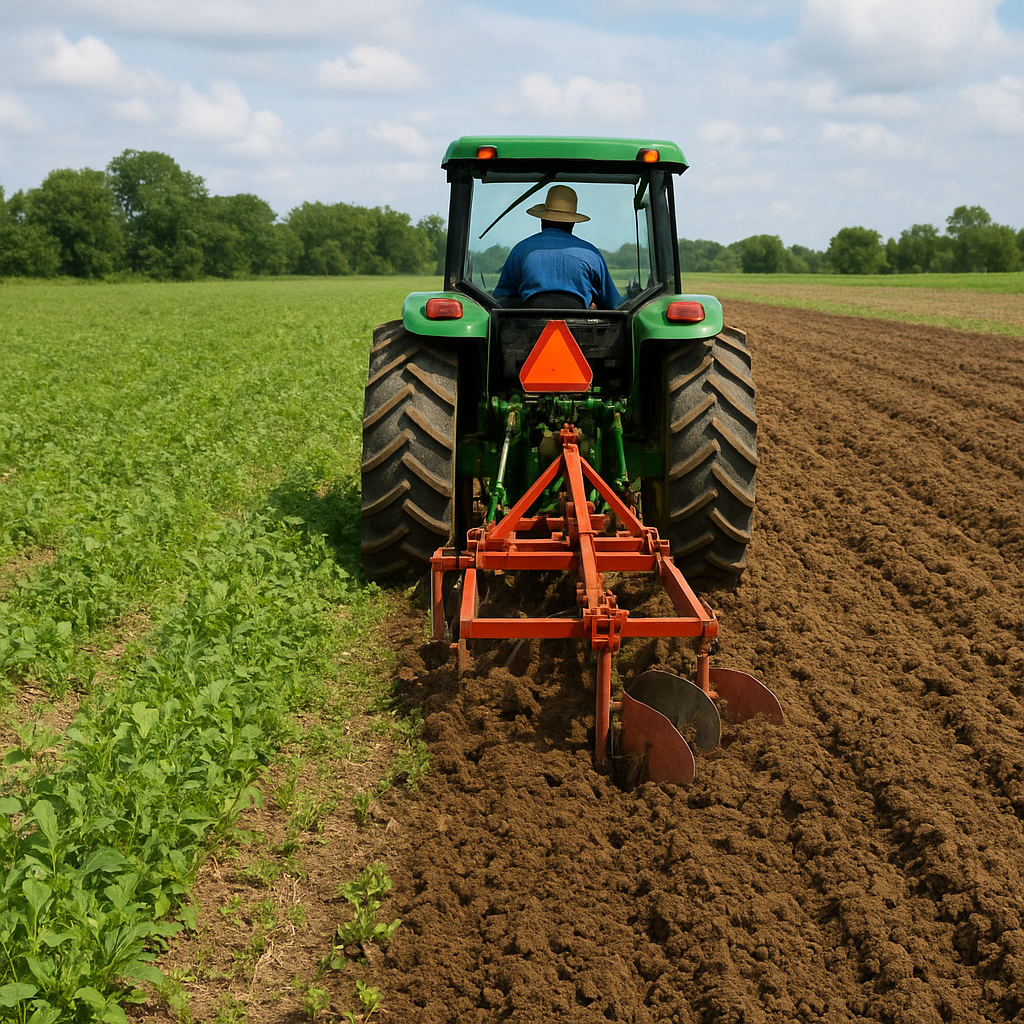
Proper plowing techniques play a critical role in **weed** management by disrupting weed germination cycles and improving **soil structure**. When executed effectively, plowing can bury weed seeds, break up root systems and create an environment less favorable for weed emergence. Below are detailed strategies and tips to help you minimize weed pressure through thoughtful plowing practices.
Selecting Optimal Tillage Equipment
Choosing the right tillage tools is the first step toward a successful plowing operation. There are several implements available, each with unique advantages and potential drawbacks.
- Moldboard Plow: Known for complete inversion of the topsoil, this implement throws residue under the furrow, burying weed seeds deeply. Ideal for fields with heavy weed pressure, but it may increase erosion risk on sloped land.
- Chisel Plow: Penetrates deeply to fracture compacted layers without full inversion. It conserves residue on the surface, which can suppress certain weed species. However, it may leave some weed seeds near the surface.
- Disc Harrow: Effective for secondary tillage, breaking clods and incorporating residue. Discs can chop up and redistribute weed roots, but overuse may lead to a fine seedbed and encourage germination.
- Rotary Tiller: Offers thorough mixing of soil and crop residue, pulverizing clods and chopping weeds. Better suited for small plots or seedbed preparation rather than large-scale primary tillage.
When selecting equipment, consider your primary goal: deep burial of weed seeds (favoring moldboard plows) or residue conservation and minimal soil disturbance (favoring chisel plows). Matching implement choice to your weed spectrum and soil conditions can lead to more effective control.
Timing and Soil Conditions
Weed seeds germinate under precise environmental cues. Targeting plowing operations to interrupt these cues is essential.
- Early Spring Plowing: Conducting primary tillage before weed seeds germinate can bury them before they break dormancy. Soil moisture should be moderate—too wet leads to compaction, too dry causes clod formation.
- Late Fall Plowing: After harvest, plowing in autumn exposes buried seeds to cold and moisture cycles, reducing viability. Frost heaving can push some seeds back to the surface, allowing a shallow secondary tillage in spring to eliminate them.
- Avoid Plowing When Too Wet: Soil with excessive moisture will smear on the plow shares, resulting in compaction layers known as “plow pans.” These restrict root growth and water infiltration, inadvertently stressing crops and favoring certain weeds.
- Work Within the Soil Window: Identify the optimal soil moisture range by performing a squeeze test—soil should form a loose ball that crumbles easily when poked. This indicates suitable conditions for effective tillage without creating clods or compaction.
Adjusting your plowing schedule according to your region’s climate and rainfall patterns ensures you disrupt weed life cycles at critical points, maximizing control while maintaining soil health.
Depth and Angle Adjustments
Proper depth and angle settings for your plow determine how effectively weed seeds and residues are managed.
- Depth Control: For shallow-rooted weeds, a depth of 10–15 cm is often sufficient to bury seeds below germination depth. Deep-rooted perennials, like quackgrass, may require 20–25 cm or more to fragment and desiccate rhizomes.
- Blade Angle: Adjusting the bottom angle of moldboard plowshares changes soil turnover. A steeper angle inverts soil more completely but requires more draft power. A shallower angle reduces inversion, leaving small residue patches that can help control erosion.
- Working Speed: Optimal tractor forward speed ensures a clean furrow slice. Too slow may result in uneven turnover; too fast can cause uneven depth and incomplete residue burial. Aim for the manufacturer’s recommended speed range, typically 5–8 km/h.
- Multiple Pass Strategy: A two-pass system—first at deeper depth, second at shallower depth—can break up compacted layers (subsoiling) before final seedbed preparation. This method buries weed seeds in the first pass and levels the field in the second.
Fine-tuning depth and angle based on field observations and residue levels ensures maximum weed seed burial and reduced surface germination.
Integrating Crop Rotation and Cover Crops
Plowing is more effective when integrated with broader agronomic practices such as crop rotation and cover cropping.
- Diverse Crop Rotations: Alternating cereals, legumes and oilseeds disrupts specific weed species adapted to one crop type. Each crop’s planting and harvest schedule creates different windows for timely plowing and secondary tillage.
- Cover Crops for Suppression: Species like cereal rye and hairy vetch establish dense canopies that shade out annual weeds. Terminate cover crops early enough for plowing to allow sufficient residue decomposition and avoid planting delays.
- Green Manure Incorporation: Plowing under a robust cover crop at flowering stage adds organic matter and releases allelochemicals that inhibit weed germination. This practice improves **aeration** and microbial activity in the soil, further suppressing weed growth.
- Stale Seedbed Technique: Shallow tillage to prepare a fine seedbed, followed by a waiting period until weeds germinate, then shallow cultivation or herbicide application before planting. This reduces the weed seed bank without deep inversion.
Pairing plowing with strategic crop and cover-crop choices compounds weed suppression effects, making each practice more efficient.
Maintenance and Calibration
Consistent implement maintenance preserves plowing efficiency and weed-control performance.
- Share and Moldboard Wear: Worn shares increase draft requirements and reduce the implement’s ability to slice and invert soil. Inspect wear points before the season and replace or resharpen as needed.
- Hydraulic and Hitch Calibration: Ensure the plow’s draft links are adjusted to maintain uniform depth across all bottoms. Incorrect hitch height can lead to uneven tillage and missed patches where weeds can gain a foothold.
- Regular Lubrication: Grease pivot points and bearings to prevent unexpected breakdowns during peak plowing windows. A sudden delay can allow weeds to germinate and become more difficult to control.
- Field Inspection: After each pass, walk the field’s edge to check furrow uniformity, soil inversion, and residue burial. Immediate adjustments in the field can prevent multiple ineffective passes.
By keeping equipment in top condition and regularly calibrating depth and angle settings, you maintain consistent plowing quality, leading to more reliable weed suppression over time.