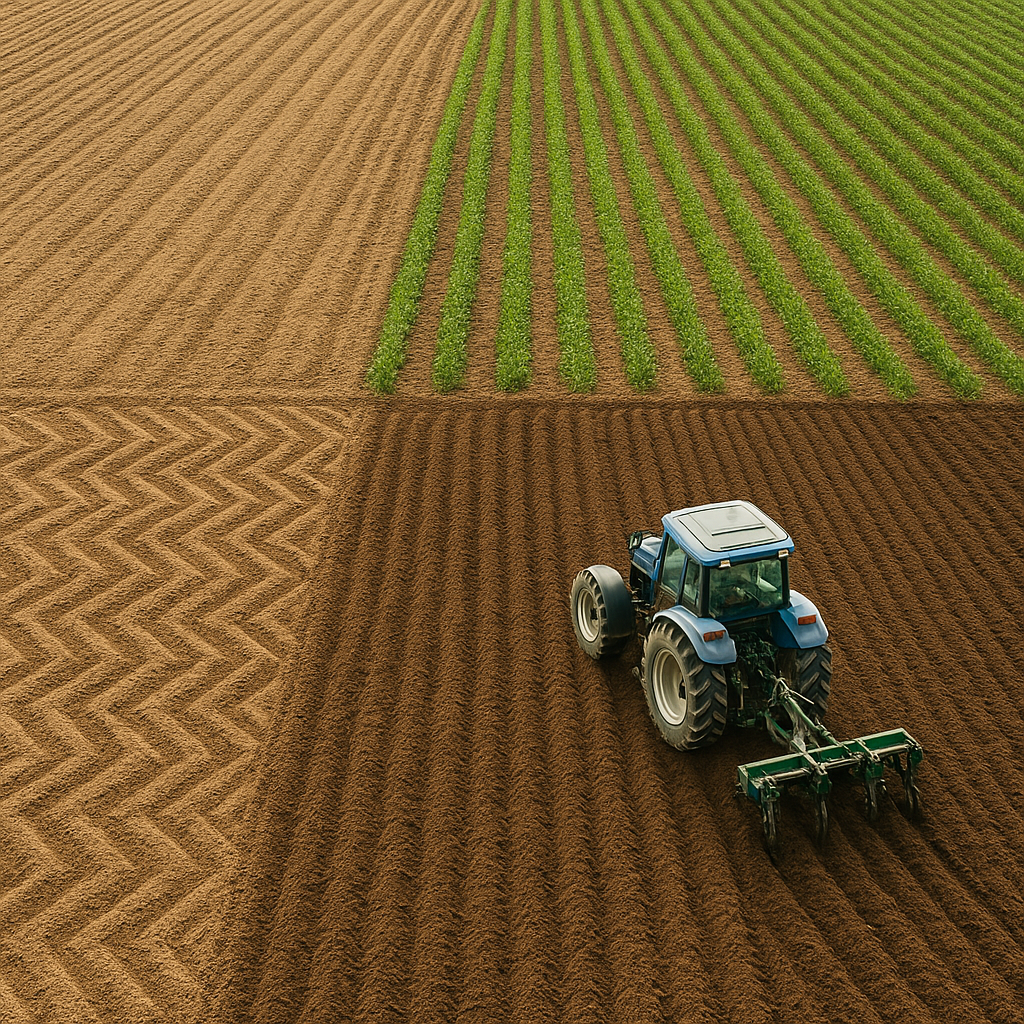
Planning effective plowing strategies lays the foundation for thriving fields and bountiful harvests. By combining thoughtful layouts with proven agronomic methods, farmers can boost crop diversity and promote long-term soil health. This article explores key techniques for designing versatile plowing schemes that balance productivity, sustainability, and environmental stewardship.
Understanding the Importance of Effective Plowing
Well-executed plowing goes beyond turning the earth; it directly affects water infiltration, root development, and the distribution of nutrients. When fields are prepared with intention, crops benefit from improved aeration and reduced compaction. In contrast, haphazard or overly aggressive plowing can accelerate erosion and deplete valuable organic matter.
Benefits of Structured Tillage
- Enhanced moisture retention through uniform soil texture
- Reduced weed pressure by burying unwanted seedlings
- Optimized seed-to-soil contact for strong germination
Risks of Neglecting Pattern Design
- Rills and gullies forming on steep gradients
- Uneven crop stands due to variable soil depth
- Increased runoff of herbicides or fertilizers
Designing Plowing Patterns for Enhanced Crop Diversity
Selecting the right layout is crucial to support multiple plant species on adjacent plots. Implementing alternating rows or zones can help rotate crops efficiently and curb disease buildup. Below are approaches to consider when tailoring your field geometry.
Contour Plowing
Contouring involves aligning furrows parallel to elevation lines. This technique slows water flow, encouraging infiltration while minimizing erosion. Ideal for gently sloping terrain, contour plowing safeguards topsoil and enhances moisture availability for deep-rooted crops.
Strip Tillage
By breaking only narrow strips where seeds will be placed, strip tillage combines benefits of minimal disturbance with precise seedbed preparation. Alternating untilled and tilled strips fosters habitat for soil organisms and reduces fuel usage compared to full-width plowing.
Checkerboard and Sector Layouts
Dividing fields into squares or pie-shaped sectors simplifies rotation scheduling. Each block can host a different crop family, enabling strategic swaps seasonally to balance nutrient demands and interrupt pest cycles. When designed with equipment dimensions in mind, these layouts minimize unproductive headland turns.
- Plan equipment passes to overlap consistently for weed control.
- Maintain equal block sizes to streamline planting and harvesting.
- Rotate high nitrogen feeders with legumes to replenish nutrients.
Implementing Soil Conservation Techniques
While pattern planning is essential, combining it with other conservation practices delivers the best results. Integrating cover cropping, residue management, and grassed waterways can protect soils and sustain productivity.
Residue Management
Leaving crop residues on the surface reduces wind and water erosion. By adjusting plow depth and incorporating some residue into the soil, you preserve organic carbon and maintain a protective mulch layer.
Cover Crops and Green Manures
Planting cover crops between primary cash crops helps capture residual nutrients and improve structure. Species such as rye, clover, or vetch can be integrated within the rotation blocks, each offering unique benefits:
- Rye for deep biomass and weed suppression
- Clover for nitrogen fixation
- Mustard for biofumigation properties
Grassed Waterways and Buffer Strips
In strategic locations where runoff concentrates, vegetated channels disrupt flow velocity and trap sediment. Permanent or seasonal buffer strips along waterways and field edges further absorb nutrients before they reach streams.
Monitoring and Adjusting Your Plowing Strategy
Effective farm management requires ongoing observation and flexibility. By tracking soil conditions, crop performance, and weather patterns, you can refine plowing schedules and layouts to match evolving field realities.
Soil Testing and Data Analysis
Regular soil sampling reveals trends in pH, organic matter, and nutrient availability. Correlate test results with field maps to identify zones requiring deeper tillage or additional amendments. Digital mapping tools allow you to overlay yield data and soil characteristics for precision adjustments.
Adaptive Field Trials
Implement side-by-side trials of different plowing depths or patterns on small plots. Compare plant vigor and root profiles to determine the most effective approach for each soil type. Documenting outcomes builds a repository of best practices tailored to your unique landscape.
Seasonal and Climate Considerations
Adjust your schedule based on rainfall forecasts and temperature trends. For example, avoid deep tillage in overly wet conditions to prevent compaction. In arid regions, shallow ripping may suffice to break crusts while preserving moisture. Flexibility in timing and depth ensures that your patterns deliver consistent results.
Conclusion
Strategically planned plowing layouts are a cornerstone of modern agronomy. By emphasizing crop diversity, safeguarding soil health, and integrating conservation measures, farmers can optimize yields while protecting natural resources. Through careful monitoring and a willingness to adapt, your operation can thrive in harmony with the environment, ensuring food security and sustainability for generations to come.