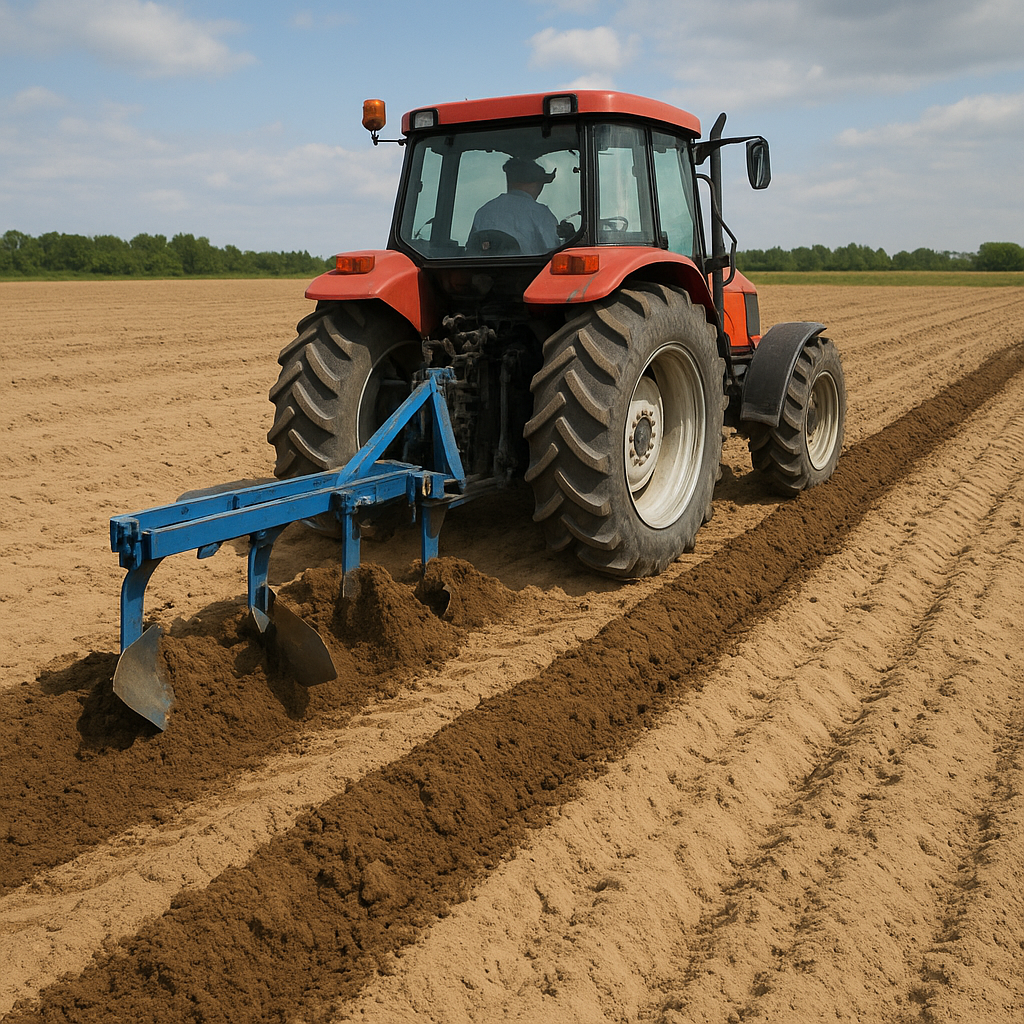
Plowing sandy soil presents a unique set of challenges for any grower striving to maintain fertile ground. With its coarse particles and rapid drainage, this type of earth can easily lose essential nutrients and suffer erosion if not managed properly. In the following sections, you will discover comprehensive strategies to improve water retention, boost microbial activity, and preserve soil health throughout each stage of the plowing process.
Understanding Sandy Soil and Its Challenges
Before you break ground, it is crucial to recognize what makes your field distinct. Sandy soil is often praised for its easy tillage and excellent drainage, yet it comes with significant drawbacks:
- Water retention is limited due to large pore spaces, leading to rapid drying.
- Nutrient leaching occurs when water carries away vital minerals beyond the root zone.
- Low natural fertility, which demands frequent soil amendments to sustain crop growth.
- Potential for erosion if bare soil surfaces are exposed to wind or heavy rain.
- Fragile aggregate stability, meaning soil particles can disperse under mechanical stress.
By appreciating these characteristics, you can tailor your plowing techniques to counterbalance the soil’s weaknesses and maximize its beneficial traits.
Effective Preparation Before Plowing
Proper ground preparation lays the foundation for nutrient retention and improved tilth. Follow these steps to ensure conditions are ideal:
- Schedule plowing when soil moisture is optimal—neither too dry nor saturated—to avoid compaction or dust clouds that carry away fine particles.
- Incorporate high-carbon amendments such as straw or wood chips to increase organic matter, which enhances water-holding capacity.
- Plant cover crops like legumes or rye grass several weeks before plowing. Their root systems help bind soil and add nitrogen when tilled under.
- Conduct a soil test to identify nutrient deficits; apply starter fertilizers based on test recommendations to replenish lost minerals.
- Use a field harrow to break up surface crusts and expose fresh soil, ensuring you manage weed pressure before deeper tillage.
These preparatory actions allow for more uniform plow penetration and reduce long-term degradation of soil structure.
Best Plowing Techniques for Sandy Fields
Choosing the correct approach and machinery plays a pivotal role in conserving soil vitality. Consider the following guidelines:
Plow Depth and Speed
- Maintain shallow to moderate depth (5–8 inches) to mix surface residues without inverting deeply enriched layers.
- Operate at a steady, controlled speed; too fast may punish the soil surface, too slow can lead to uneven furrows.
- Adjust depth seasonally, loosening deeper horizons in early spring and avoiding unnecessary subsurface disruption in late fall.
Choosing the Right Equipment
- Disc plows and chisel plows minimize over-inversion and help preserve soil horizons.
- Use rigid tine cultivators for post-plow smoothing, which maintain the integrity of soil aggregates.
- Consider reduced-tillage or strip-till implements to limit the total disturbed area, thereby reducing erosion.
- Opt for equipment with adjustable skimmers to redistribute surface residues evenly.
Each tool has its strengths; combining them strategically can yield the best results for nutrient preservation.
Strategies to Retain Nutrients Post-Plowing
Immediately after plowing, the clock starts ticking on nutrient loss. Implement these tactics to lock in valuable resources:
- Broadcast organic amendments such as compost or aged manure and work them gently into the topsoil layer to feed crops and soil biota.
- Deploy mulching with straw or shredded bark to shield bare soil from evaporation and temperature extremes.
- Re-establish cover crops or green manure within a week to protect against leaching and wind erosion.
- Apply slow-release fertilizers or inoculate with nitrogen-fixing bacteria to maintain a steady supply of essential elements.
- Implement controlled irrigation schedules that align with crop needs, avoiding excessive leaching events.
These interventions create a protective layer over the freshly tilled ground and promote nutrient cycling at the surface.
Maintaining Soil Health and Productivity
Long-term success depends on continuous care. Adopt the following practices to sustain a robust, fertile environment:
- Rotate crops annually, alternating deep-rooted and shallow-rooted species to improve root channel development and reduce disease buildup.
- Monitor soil pH regularly; sandy soils can acidify quickly, so apply lime or sulfur amendments as needed for optimal crop uptake.
- Encourage robust microbial activity by reducing synthetic chemical inputs and incorporating bio-stimulants.
- Carry out periodic cover crop interseeding during fallow periods, ensuring the soil never remains truly bare.
- Implement contour tillage or windbreaks on sloped fields to guard against water and wind erosion.
By integrating these maintenance routines, you will promote a resilient soil matrix capable of supporting high-yield crops year after year.