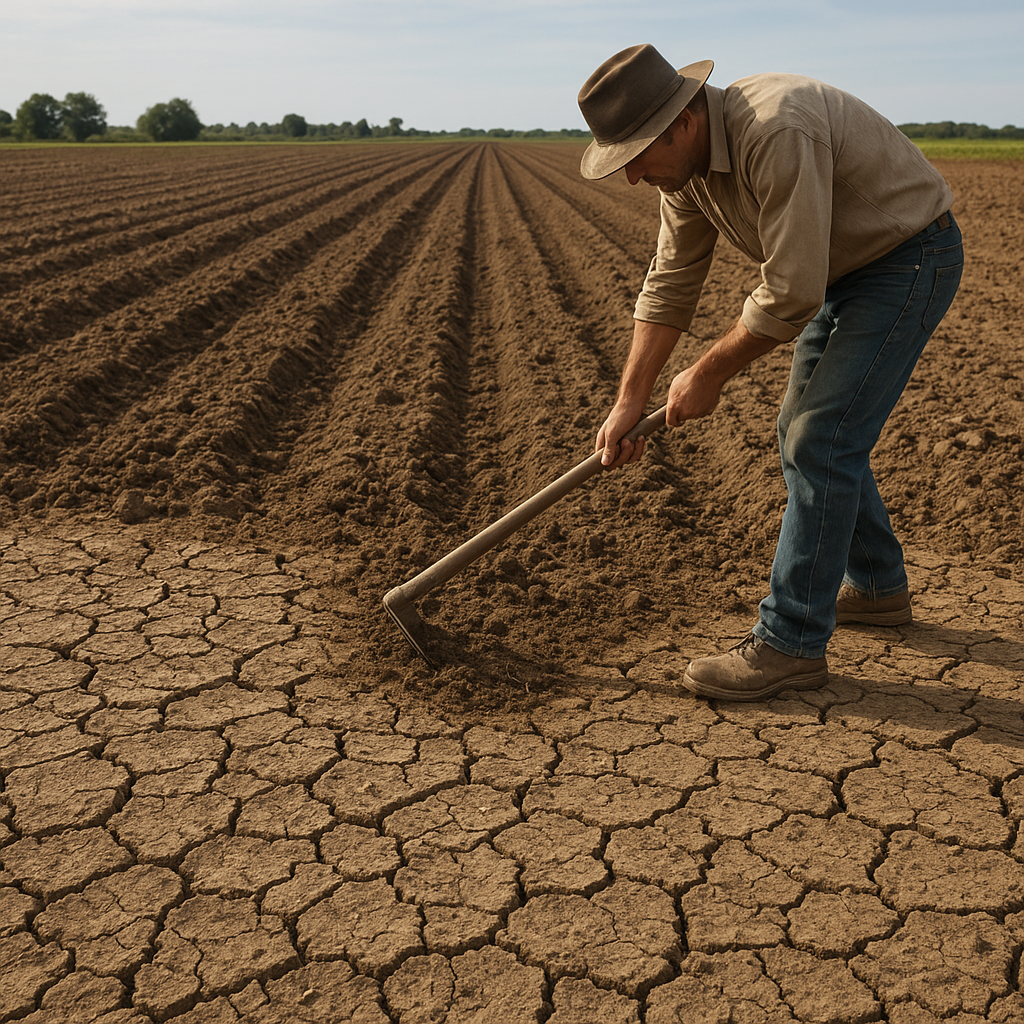
Properly managing the tilled surface is essential for maintaining long-term soil health and crop productivity. When soil forms a hard, impermeable layer after plowing, water infiltration slows, seedling emergence suffers, and the risk of erosion increases. Preventing crust formation requires an integrated approach that balances timing, tillage methods, and soil amendments. Below is a comprehensive guide to reducing soil crusting, improving surface structure, and ensuring robust plant growth.
Understanding Soil Crusting
Soil crusting occurs when the fine soil particles reconsolidate on the surface after rainfall or irrigation, creating a dense, hard layer that limits infiltration and gas exchange. Key factors include:
- Texture: Soils high in silt and fine sand are more prone to crusting due to weak aggregates.
- Moisture fluctuations: Alternating wetting and drying cycles cause fines to migrate and seal pores.
- Organic matter levels: Low organic content reduces binding agents that maintain crumb structure.
- Impact energy: Heavy raindrops and irrigation jets can break down crumbs and press particles into a smooth layer.
By recognizing these factors, farmers can tailor their management plan to keep the surface loose and permeable.
Implementing Proper Field Preparation Techniques
Optimal plowing requires attention to soil conditions and timing. Follow these guidelines:
- Work the field when soil moisture is near field capacity – neither too wet nor too dry. Overly wet soils compact easily, while excessively dry soils produce large clods.
- Adjust depth carefully: shallow plowing (4–6 inches) can leave a firm top layer, but very deep turning may invert subsurface layers and expose fines.
- Perform cross-plowing: alternate the direction of passes each time you till to break clods and distribute residue evenly.
- Allow time for the surface to settle: waiting a few days between plowing and planting enables minor self-healing of cracks and reduces large clods.
Enhancing Soil Organic Matter
Increasing the organic fraction is one of the most effective long-term strategies to prevent crusting. Organic residues improve soil cohesion and water retention:
- Apply well‐decomposed compost or manure to introduce humus and beneficial microbes.
- Incorporate crop residues uniformly instead of burning or removing them.
- Grow green manure or cover crops such as legumes and grasses to build biomass.
- Use strip‐till or reduced‐till systems to leave residue on the surface and protect the soil.
These practices promote stable aggregates that resist breakdown under raindrop impact.
Utilizing Conservation Tillage Practices
Conservation tillage preserves surface residue, which buffers raindrop energy and fosters natural mulch layers:
- No-till: Eliminates mechanical disturbance, leaving crop stubble intact.
- Strip-till: Disturbs narrow bands for seed placement, maintaining residue between rows.
- Mulch-till: Incorporates residues at shallow depth while preserving a mulch mat on the surface.
Residue cover of at least 30% helps intercept water droplets, reducing splatter and subsequent surface sealing.
Post-Plowing Soil Management
Even with careful plowing, some reconsolidation can occur. Implement these post-tillage measures:
- Roll or crumbler-roll: Light rolling breaks large clods and firms the seedbed without crushing fine pores.
- Harrowing: Use a tine harrow or spike-tooth harrow to fracture a thin top layer and improve porosity.
- Cross-harrow passes: Harrow at different angles to ensure uniform roughness and prevent crust-prone ridges.
These operations create a coarse, friable surface that supports quick seedling emergence and root penetration.
Cover Cropping and Mulching Strategies
Maintaining living roots and surface protection between cash crops dramatically reduces crust risk:
- Plant fast-growing cover crops like oats, radishes, or clover immediately after harvest to hold the soil.
- Terminate covers with a roller-crimper or low-disturbance herbicide to leave a mulch layer.
- Apply organic mulches (e.g., straw or wood chips) in high-value crop beds where crusting is severe.
These approaches furnish continuous soil cover, moderate temperature swings, and feed soil life.
Optimizing Irrigation and Rainfall Management
Controlled water application can prevent the sudden breakdown of aggregates:
- Use low-impact irrigation methods such as drip or micro-sprinklers to minimize surface sealing.
- Schedule multiple light irrigations rather than one heavy event to infiltrate gradually and avoid runoff.
- Monitor soil moisture with tensiometers or electronic sensors to avoid overwatering post-plow.
Proper scheduling ensures that water entry does not compact the surface, preserving pore continuity.
Selecting Appropriate Equipment
Modern implements can enhance surface condition and reduce compaction:
- Choose plows with adjustable shank tension and moldboard angles to optimize soil turnover.
- Install floating harrows or drag chains to gently roughen without excessive pressure.
- Use implements with coulters or front disks to cut residue and reduce smearing.
Equipment tuned to your field’s texture and residue load will produce the best seedbed and limit surface sealing.
Monitoring and Adaptive Management
Regular field assessments help you refine your strategy over time:
- Inspect seedbeds after the first rains to identify early crust formation.
- Record weather, soil moisture, and crust severity to correlate conditions with outcomes.
- Adjust your tillage schedule, implement choice, or residue management based on observed challenges.
By staying proactive and responsive, farmers can maintain open surface pores, ensure rapid seed germination, and support long-term sustainability of their soils.