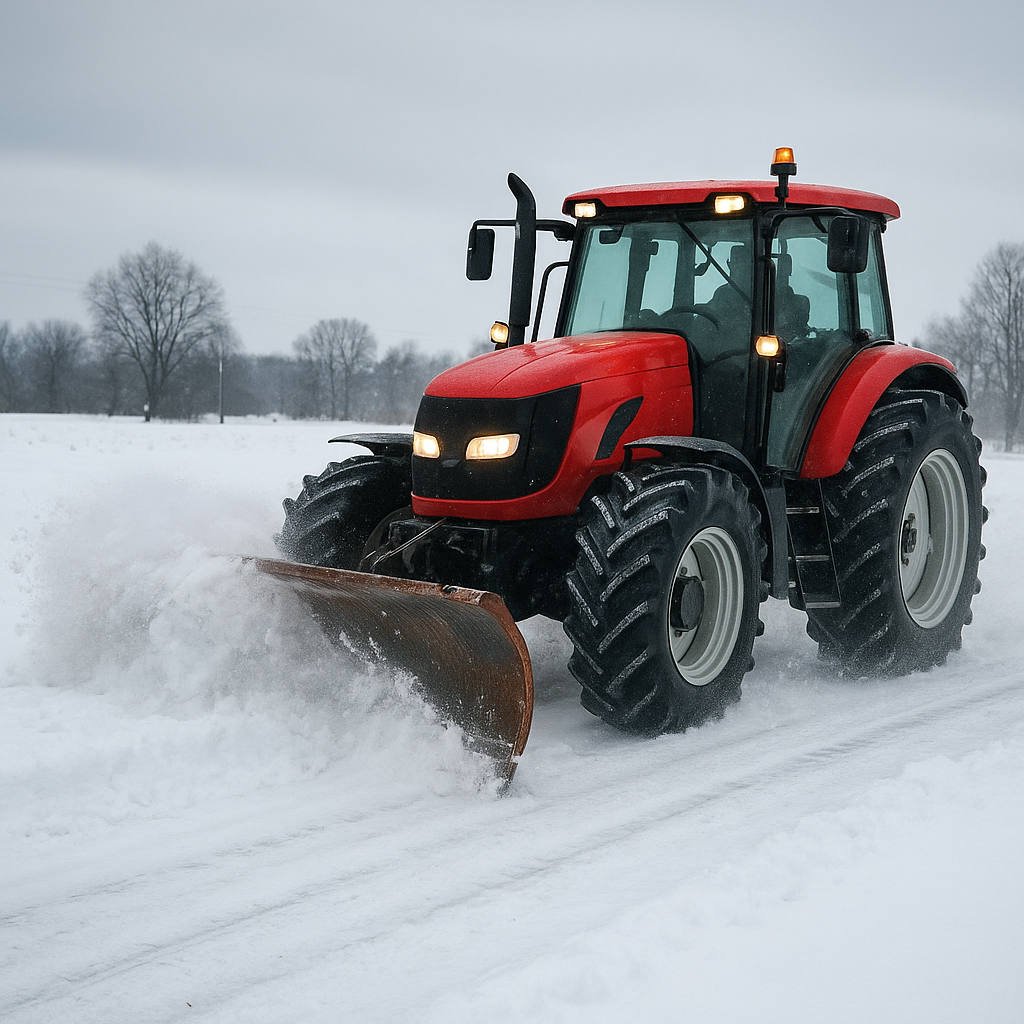
Plowing operations account for a significant share of total agricultural expenses, and managing these costs effectively can have a profound impact on your farm’s bottom line. By adopting strategies focused on efficiency, careful planning, and leveraging modern technology, you can achieve consistent soil turnover while minimizing wasted resources. The following sections outline practical tips to help you reduce fuel consumption without compromising plowing quality.
Regular Equipment Maintenance
Proper upkeep of tractors, plows, and related implements is the foundation of fuel savings. A well-maintained machine runs at peak performance and avoids unnecessary idling or overexertion that drives up consumption. Implement a routine inspection schedule that includes checking tire pressure, inspecting hydraulic lines, and replacing filters at recommended intervals. Underinflated tires increase rolling resistance and force your tractor’s engine to work harder, leading to higher fuel usage. Equally important is keeping the engine clean, ensuring that radiators are free from debris, and that belts and hoses are tensioned correctly.
- Replace air and fuel filters regularly to maintain optimal airflow.
- Grease all pivot points and bearings to reduce friction losses.
- Inspect spark plugs (for gasoline engines) or glow plugs (for diesel), ensuring proper ignition.
- Check hydraulic fluid levels and quality to prevent leaks and maintain consistent power delivery.
Even small lapses in maintenance can cause irregular engine loads and fluctuating RPMs. By adhering to manufacturer guidelines and documenting each service event, you’ll extend equipment life and maximize efficiency in every field operation.
Optimize Plowing Patterns
The way you approach your field can dramatically influence fuel consumption. Adopting smart patterns helps you cover ground methodically, reduce soil compaction, and avoid redundant passes. A common mistake is starting in the center of a large field and working outward, which often results in long travel distances when turning. Instead, consider a perimeter-first approach: outline the boundary of the field, then work inwards in systematic passes that minimize headland travel.
- Plan passes to align with field shape, avoiding abrupt direction changes.
- Use GPS-guided auto-steering systems to maintain straight rows and consistent overlap.
- Reduce idle time by shutting down the engine during lengthy turns or unproductive waiting.
Correctly chosen patterns allow you to maintain a steady speed and throttle setting, preventing sudden load spikes that send fuel consumption through the roof. Mapping software can also help you identify high-resistance zones—such as areas with heavy clay or rocks—so you can adjust depth or choose alternative implements.
Efficient Engine and PTO Management
Understanding the interplay between engine RPM, power take-off (PTO) engagement, and ground speed is crucial for reducing waste. Many operators assume that flooring the throttle yields the fastest job completion, but excessive RPM generates heat and friction losses, decreasing overall efficiency. Instead, aim for the sweet spot on the torque curve—often mid-range RPM—where the engine produces maximum torque at minimal fuel input.
- Engage the PTO only when the plow is actively cutting soil; disengage during transport or idle moments.
- Match implement settings with PTO speed recommendations to avoid lugging the engine.
- Monitor load via onboard gauges; avoid prolonged operation at too-high or too-low engine loads.
Fine-tuning your tractor’s hydraulic settings can also help regulate implement depth without hunting or surging. Smooth control over depth adjustments keeps the plow shares at consistent penetration, reducing drag and improving overall efficiency.
Operator Training and Techniques
Well-trained operators are perhaps the single most important factor in achieving fuel economy in plowing. Investing time in systematic driver education results in fewer mistakes, less unnecessary idling, and a more harmonious match of calibration between tractor and implement. Encourage operators to maintain a steady pace, anticipate turns, and shift gears proactively rather than reactively.
- Teach “feathering” of the throttle to smoothly engage full-depth plowing.
- Use shift schedules that keep the engine within its optimal power band.
- Train staff to perform walk-arounds before operation, checking for loose bolts, leaks, or damaged parts.
Regular feedback sessions and data reviews reinforce good habits. When operators see how small changes in monitoring engine load and RPM translate into actual cost savings, they become more motivated to maintain best practices.
Choosing the Right Fuel and Additives
While equipment and technique account for the majority of fuel economy, selecting high-quality diesel or biodiesel blends can yield incremental benefits. Modern diesel engines often incorporate sophisticated injection systems and turbochargers; using a fuel that meets the manufacturer’s cetane rating recommendation ensures proper ignition timing and combustion efficiency.
- Add additives that clean injectors and improve lubricity, especially in cold weather.
- Consider winter-grade diesel to prevent gelling and maintain consistent flow.
- Test blended fuels in small batches before committing to large purchases.
On larger operations, installing remote telemetry systems on fuel tanks and tractors can help track consumption in real time. Data analytics identify trends—such as certain fields requiring more fuel due to soil conditions—so you can fine-tune depth settings or adjust your schedule to drier, less resistant terrain.