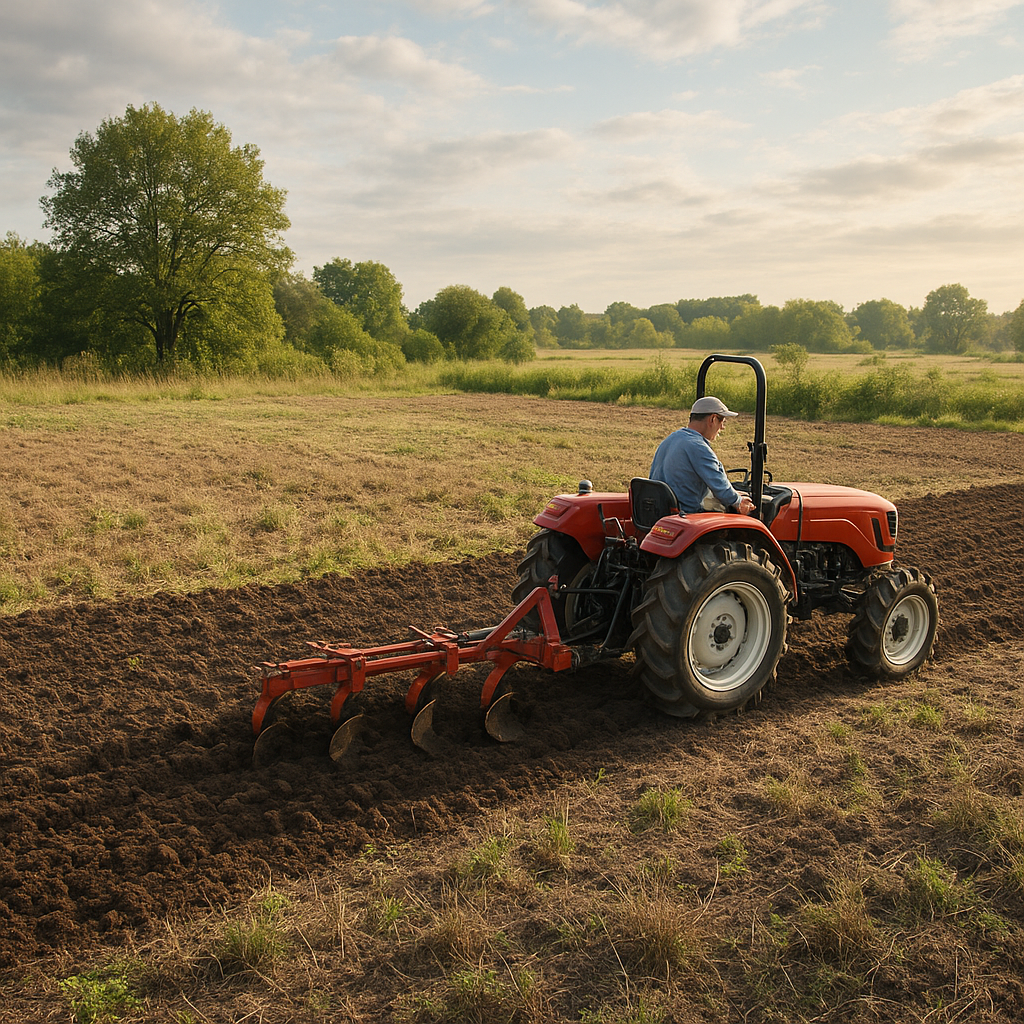
Properly rejuvenating land that has been left unattended requires a strategic approach to tillage and plowing. Neglected fields often suffer from compacted layers, nutrient depletion, and poor water infiltration, hindering future productivity. By implementing the right plowing methods and subsequent management practices, you can breathe new life into exhausted soil, restore its fertility, and set the stage for robust plant growth. This guide outlines key considerations and practical tips for transforming neglected plots into thriving landscapes.
Understanding Soil Health and Neglected Land
Before breaking ground, it’s crucial to assess the current condition of your land. Neglected soils commonly exhibit:
- Compaction: Heavy machinery or foot traffic can compress soil particles, reducing pore space and restricting root penetration.
- Erosion: Exposed topsoil can wash away during rain, carrying precious organic matter downstream.
- Nutrient Imbalance: Continuous cropping without proper fertilization depletes essential minerals like nitrogen, phosphorus, and potassium.
- Poor drainage: Waterlogged areas inhibit oxygen exchange and encourage root diseases.
Identifying these challenges helps you choose the most effective plowing strategy. Conduct a soil test to measure pH, organic matter content, and nutrient levels. Note any areas with standing water or overly dry patches, as they may require specialized attention or pre-plowing amendments.
Essential Plowing Techniques for Land Rejuvenation
Successful rejuvenation begins with selecting the right plow and adjusting settings to match soil conditions. Key elements include:
1. Choosing the Appropriate Plow
- Disc Plow: Best for breaking through hardpan and mixing crop residues into soil.
- Moldboard Plow: Turns over the top layer, burying weeds and residues, but may increase erosion risk if used improperly.
- Chisel Plow: Loosens compacted zones without complete inversion, preserving soil structure and reducing erosion potential.
2. Determining Plowing Depth and Timing
- Depth: Aim for 6–10 inches to disrupt compacted layers without bringing up excessive subsoil.
- Timing: Plow when soil moisture is moderate—avoid overly wet conditions that can create clods or overly dry soil that resists penetration.
- Seasonal Considerations: Late fall plowing allows winter freeze-thaw cycles to break clods, while spring plowing readies the seedbed for immediate planting.
3. Techniques to Minimize Soil Disturbance
- Contour Plowing: Follow the natural slope of the land to reduce runoff and preserve topsoil.
- Strip-Till: Plow narrow strips where seeds will be planted, leaving the rest of the field undisturbed to maintain organic cover.
- Reduced Tillage: Combine plowing with targeted cultivation to balance soil aeration and conservation.
During the operation, maintain a steady tractor speed and ensure plow blades remain sharp. Dull equipment increases fuel consumption and produces uneven furrows, compromising soil structure. Monitor the field in real time and adjust plow angle to achieve uniform inversion and minimal smearing of sides.
Post-Plowing Management and Sustainability
Rejuvenation isn’t complete once the plow is pulled out. Implement post-plowing practices to lock in gains and foster long-term soil health.
1. Soil Amendment and Nutrient Restoration
- Apply compost or well-aged manure to boost organic matter and improve microbial activity.
- Use rock powders or lime to correct pH imbalances detected in soil tests.
- Introduce a balanced fertilizer program based on lab recommendations to replenish macro- and micronutrients.
2. Cover Cropping for Protection and Enrichment
- Leguminous Covers (e.g., clover, vetch): Fix atmospheric nitrogen, reducing the need for synthetic inputs.
- Grasses (e.g., rye, oats): Develop extensive root systems that prevent erosion and enhance aeration.
- Mixed Species: Blend legumes and grasses to maximize benefits and break pest cycles.
3. Erosion Control Strategies
- Contour Buffer Strips: Plant grass or shrubs along contour lines to intercept sediment.
- Mulching: Spread straw or wood chips over bare soils to limit water impact and retain moisture.
- Terracing: Create step-like formations on slopes to slow runoff and stabilize the landscape.
4. Ongoing Monitoring and Adaptive Practices
Keep records of rainfall, crop performance, and any signs of compaction or nutrient stress. Regularly inspect drainage patterns and adjust tile lines or ditches to ensure proper water movement. Rotate crops with deep-rooted species to naturally decompact subsoil layers and disrupt pest cycles. Incorporate periodic light tillage only where necessary to maintain a balance between structure and looseness.
Maximizing Long-Term Productivity
Rejuvenating neglected land is an investment in the future. By combining thoughtful plowing techniques with sustainable follow-up practices, you set the foundation for improved root growth, higher yields, and resilient ecosystems. Patience and consistent management—cover crops, organic amendments, and erosion controls—will ensure your revitalized fields remain productive for years to come.