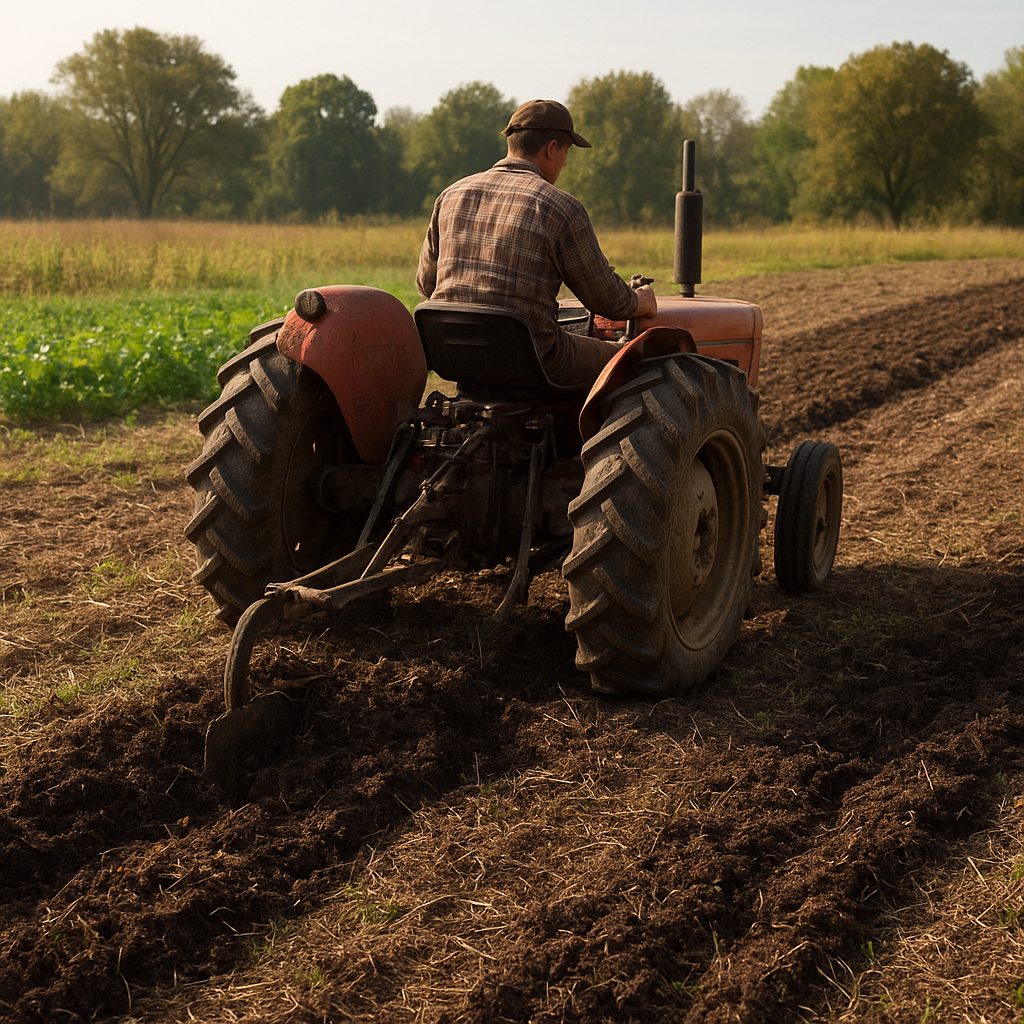
Reusing organic matter during plowing not only enriches soil but also supports long-term agricultural productivity. Incorporating crop residues, animal manures, and green materials into the soil profile enhances fertility, boosts microbial activity, and improves moisture retention. Adopting best practices for organic matter integration can reduce reliance on synthetic inputs while fostering a more sustainable farming system.
Understanding the Role of Organic Matter in Soil Health
The building blocks of fertile soil
Organic matter consists of plant residues, animal manures, compost, and other biodegradable materials. When added to the soil, it serves several crucial functions:
- Nutrient reservoir: Organic matter slowly releases essential nutrients like nitrogen, phosphorus, and potassium.
- Water retention: Increased porosity allows the soil to hold moisture longer.
- Structure enhancement: Aggregates form around decomposing matter, improving aeration and root penetration.
- Microorganisms support: Beneficial bacteria and fungi thrive on carbon-rich substrates.
- Erosion control: Stable soil aggregates resist wind and water erosion more effectively.
Decomposition and Humus Formation
Decomposition is driven by soil biota breaking down organic residues. Over time, these processes transform raw materials into humus, a dark, sticky substance that holds nutrients and water. Proper plowing methods can accelerate decomposition, ensuring even distribution of humus within the topsoil.
Planning and Preparing for Organic Matter Integration
Assessing soil and residue characteristics
Successful incorporation begins with a thorough evaluation of both soil conditions and available organic inputs. Conduct a soil test to determine pH, nutrient levels, and organic matter percentage. Survey crop residues on the surface—corn stalks, wheat straw, or vegetable tops—to estimate carbon-to-nitrogen ratios. Manure and compost should be analyzed for moisture content and nutrient concentration.
Selecting the Right Equipment
The choice of implements influences how well organic matter is mixed into the soil. Options include:
- Disc harrows: Ideal for cutting and mixing surface residues.
- Chisel plows: Create deep, fracturable channels while preserving soil structure.
- Rotary tillers: Provide thorough blending but may risk overworking the soil.
- Subsoilers: Break compacted layers, enabling deeper integration of organic matter.
Timing Your Plowing Operations
Optimal timing ensures organic inputs decompose efficiently and align with planting schedules:
- Post-harvest: Incorporate residues before winter to reduce erosion.
- Pre-planting: Mix fresh manure or compost 2–4 weeks ahead to allow preliminary decomposition.
- Cover crops termination: Plow under green manure when biomass is at its peak.
Techniques to Reuse Organic Matter During Plowing
Layered incorporation for balanced distribution
Rather than tossing all residues at once, apply a layered approach:
- First pass: Shallow till to turn under the top 5–10 cm of existing crop residues.
- Secondary pass: Spread compost or manure uniformly, then plow to a depth of 15–20 cm.
- Final pass: Roll or harrow to break large clods and prepare a fine seedbed.
Strip-Till and Zone Tillage
Strip-till focuses tillage only in narrow strips where seeds will be planted, leaving undisturbed areas in between. This method:
- Minimizes soil disturbance.
- Concentrates organic matter in the root zone.
- Retains moisture and reduces erosion in undisturbed rows.
Zone tillage uses wider tilled bands and can be paired with a coulter to slice residues. Both systems preserve surface cover while ensuring roots access nutrient-rich zones.
Cover Crop Integration
Planting cover crops such as clover, rye, or vetch after harvest provides green biomass that can be plowed under at termination. Benefits include:
- Enhanced nitrogen fixation in legume-based covers.
- Continuous ground cover, reducing weed pressure.
- Additional organic carbon inputs to fuel microbial activity.
Maximizing Long-Term Benefits of Organic Matter Recycling
Monitoring soil health indicators
After implementing organic matter reuse strategies, regularly assess the following:
- Soil organic matter percentage: Aim for steadily rising values.
- Bulk density: Lower density indicates improved porosity.
- Moisture-holding capacity: Evaluate with field capacity tests.
- Crop yields: Track productivity gains season over season.
Managing Carbon Sequestration
Incorporated organic residues add carbon to the soil, mitigating greenhouse gas emissions. Practices such as reduced tillage combined with heavy residue retention maximize carbon storage in stable soil fractions.
Balancing Nutrient Cycling
Properly managed organic matter acts as a slow-release fertilizer. Avoid overapplication of high-nitrogen materials, which can lead to leaching. Rotate between high- and low-carbon inputs to maintain an optimal C:N ratio of roughly 25:1 for efficient microbial processing.
Preventing Soil Compaction and Erosion
Heavy machinery can compact the soil, negating the benefits of added organic matter. Implement controlled traffic farming to confine wheel loads to specific lanes. Maintain surface residues in inter-row spaces to shield against rainfall impact and wind.
Advancing Practice Through Innovation
Emerging tools and technologies
Modern farming innovations are enhancing organic matter reuse:
- GPS-guided equipment ensures precise residue placement and depth control.
- On-the-go residue analysts measure moisture and nutrient content in real time.
- Biodegradable films and enzyme treatments accelerate decomposition.
- Drone imaging monitors residue cover and soil moisture patterns.
Collaborative Research and Knowledge Sharing
Engagement with extension services and farmer networks fosters the exchange of successful techniques. Field trials and demonstration plots help refine local best practices, adapting global insights to specific soil types and climates.
Continuous Improvement Cycle
Evaluate each season’s outcomes, adjust input rates, and fine-tune equipment settings. By embracing a cycle of monitoring, evaluation, and modification, producers can sustainably enhance soil fertility and productivity for generations.